
Driving should be smooth, predictable, and safe. When your car begins to shake at high speeds—especially between 55 and 70 mph—it’s not just uncomfortable; it can be a sign of underlying mechanical issues. While minor vibrations might seem trivial, persistent or worsening shaking is often a red flag that shouldn’t be ignored. The sensation might originate in the steering wheel, seat, floorboard, or throughout the entire vehicle, each pointing to different potential causes.
Understanding what triggers this instability allows you to respond appropriately—whether it's scheduling a tire rotation or booking an urgent appointment with a certified mechanic. This guide breaks down the most common reasons for high-speed shaking, how to identify them, and crucially, when professional intervention becomes non-negotiable.
Common Mechanical Causes of High-Speed Shaking
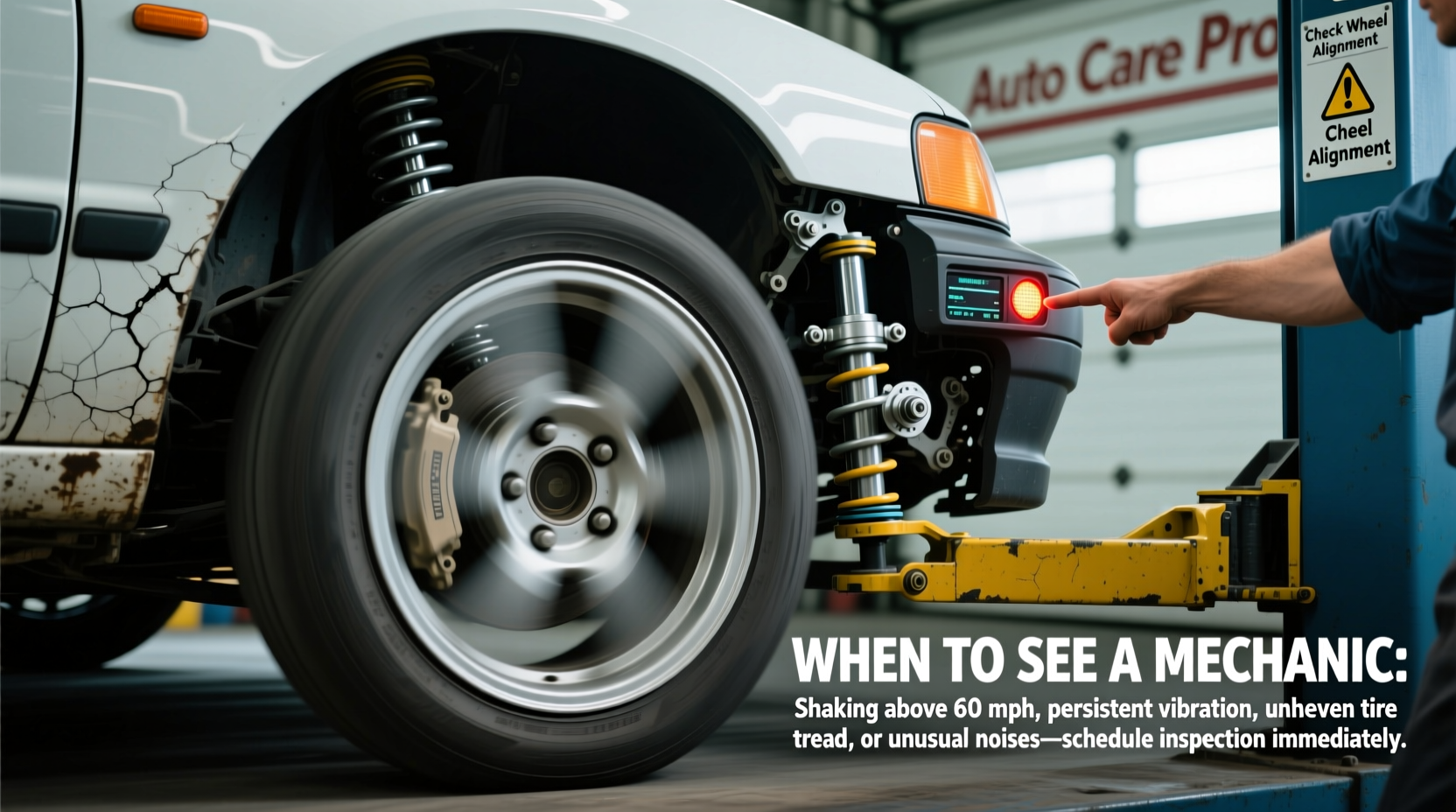
Several components in your vehicle work together to maintain stability at speed. When one fails or degrades, the imbalance can manifest as vibration. Below are the primary culprits behind high-speed shaking:
1. Unbalanced Tires
Tire imbalance is the most frequent cause of shaking at highway speeds. Over time, tires lose their even weight distribution due to wear, damage, or improper mounting. An unbalanced tire creates centrifugal force fluctuations as it spins, leading to rhythmic vibrations felt through the steering wheel (front tires) or the seat/floor (rear tires).
This typically starts around 50–60 mph and worsens as speed increases. A simple tire balancing service usually resolves the issue, especially if performed after new tire installation or following pothole impacts.
2. Worn or Damaged Tires
Even properly balanced tires can cause shaking if they're worn unevenly or damaged. Common problems include:
- Uneven tread wear: Caused by poor alignment, incorrect inflation, or suspension issues.
- Belt separation: Internal steel belts in the tire delaminate, creating bulges and irregular rolling surfaces.
- Flat spots: Often from skidding or prolonged parking, these create a thumping sensation at speed.
If you notice visible lumps, cracks, or significant tread depth variation, replacement may be necessary.
3. Warped Brake Rotors
While brake-related shaking usually occurs during braking, warped rotors can sometimes contribute to general instability. However, if the vibration only appears when slowing down, the issue is likely isolated to the braking system. Persistent shaking while cruising points elsewhere.
4. Suspension System Wear
The suspension absorbs road shocks and keeps tires in contact with the pavement. Key components like control arms, bushings, ball joints, and struts degrade over time. Worn parts allow excessive movement, leading to erratic handling and vibration at higher speeds.
A telltale sign is increased noise on rough roads—clunking or rattling—combined with steering wander or drifting. If left unchecked, suspension failure compromises both comfort and safety.
5. Driveshaft or Axle Issues (RWD/FWD Vehicles)
In rear-wheel-drive vehicles, a failing driveshaft or worn U-joints can cause intense shaking at speed. Symptoms include:
- Vibration increasing with acceleration
- Clunking noises when shifting gears
- Shuddering under load
Front-wheel-drive cars rely on CV axles, which can develop torn boots or damaged joints. Once grease leaks out and dirt enters, the joint binds or wobbles, causing pulsating vibrations during acceleration.
Tip: Rotate your tires every 5,000 to 7,000 miles to promote even wear and reduce the risk of imbalance-related shaking.When the Steering Wheel Shakes vs. Whole-Vehicle Vibration
The location of the vibration provides diagnostic clues:
| Symptom | Most Likely Cause | Recommended Action |
|---|---|---|
| Steering wheel shakes at 60+ mph | Front tire imbalance, uneven wear, or bent rim | Inspect front tires; perform balance and alignment check |
| Floor or seat vibrates at speed | Rear tire issue, driveshaft problem, or differential fault | Check rear tires; inspect driveshaft/U-joints (RWD) or CV axles (FWD) |
| Shaking only during acceleration | Failing CV axle, U-joint, or transmission mount | Diagnose driveline components |
| Shaking only when braking | Warped brake rotors or seized calipers | Inspect brakes; consider rotor resurfacing or replacement |
| Constant vibration regardless of speed | Severe tire damage, bent axle, or major suspension defect | Immediate inspection required |
Pinpointing where you feel the shake helps mechanics narrow down the diagnosis and avoid unnecessary repairs.
“High-speed vibration isn’t normal—even if it seems minor. What starts as a slight buzz can evolve into dangerous instability.” — Carlos Mendez, ASE-Certified Master Technician
Step-by-Step Guide: Diagnosing and Addressing the Shake
If your car begins to shake at high speeds, follow this logical sequence to determine the severity and appropriate response:
- Assess the Conditions: Note when the shaking occurs—specific speeds, during acceleration, braking, or cornering. Is it constant or intermittent?
- Inspect Tires Visually: Look for uneven wear patterns, bulges, embedded debris, or low pressure. Use a tread depth gauge if available.
- Check Recent Work: Did you recently replace tires, have alignment done, or hit a curb? These events often precede imbalance or damage.
- Test Drive Safely: On a quiet highway stretch, gradually accelerate to reproduce the shake. Pay attention to whether it starts suddenly at a certain speed.
- Visit a Trusted Shop: Have a technician perform a full inspection including tire balance, alignment, suspension check, and driveline evaluation.
- Follow Through on Repairs: Don’t delay fixes based on cost alone. A $80 tire balance could prevent a blowout at 70 mph.
This methodical approach prevents misdiagnosis and ensures no critical component is overlooked.
Mini Case Study: Sarah’s Highway Shudder
Sarah, a 34-year-old paralegal, began noticing her 2018 Honda Accord vibrating slightly at 65 mph. At first, she dismissed it as road texture. But within two weeks, the shaking intensified—her steering wheel trembled, and the cabin hummed loudly.
She scheduled a tire rotation at her local shop. The technician found one front tire severely cupped due to worn lower control arm bushings. The imbalance had worsened because the suspension allowed excessive up-and-down motion, accelerating tire wear.
After replacing the bushings and installing two new tires (the others were still serviceable), the car was rebalanced and aligned. The vibration disappeared completely. Total cost: $420. Had she waited longer, the remaining tires would have been ruined, and control compromised.
Sarah’s experience shows how a small symptom can stem from a compound issue—and why early action saves money and risk.
Do’s and Don’ts: Handling Car Vibration at Speed
| Do | Don’t |
|---|---|
| Have tires balanced regularly, especially after installation or repair | Ignore shaking just because it feels “minor” |
| Maintain proper tire pressure (check monthly) | Continue driving long distances with noticeable vibration |
| Get a four-wheel alignment annually or after hitting curbs | Assume all shaking is tire-related without professional inspection |
| Listen for new noises accompanying the shake (clunks, grinding) | Delay repairs to save short-term costs |
| Use OEM-spec replacement parts when repairing suspension or drivetrain | Attempt complex diagnostics without proper tools or training |
When to See a Mechanic Immediately
Not all vibrations require emergency attention, but some demand immediate action. Seek professional help right away if you experience:
- Sudden onset of severe shaking after hitting a pothole or curb
- Visible tire damage such as sidewall bulges or exposed cords
- Loss of steering responsiveness or pulling to one side
- Noises from under the car like clunking, grinding, or scraping
- Vibration accompanied by warning lights (ABS, traction control, check engine)
Even moderate shaking that persists beyond a few days warrants inspection. Mechanics use precision tools like laser alignment systems, balancers, and chassis ears to detect issues invisible to the average driver.
Regular maintenance providers can compare current findings with past service records, offering deeper insight into wear trends. For example, if your last alignment showed marginal camber angles, today’s symptoms might indicate final failure of a mounting point.
Tip: Keep a log of unusual sensations or noises. Notes like “steering wheel shakes at 62 mph consistently” help mechanics replicate and diagnose issues faster.Frequently Asked Questions
Can low tire pressure cause my car to shake at high speeds?
Yes. Underinflated tires flex excessively, leading to uneven contact with the road and potential harmonic vibration. It also accelerates wear and increases blowout risk. Always maintain manufacturer-recommended PSI, listed on the driver’s door jamb sticker.
I had my tires balanced, but the shaking came back after a week. What now?
Recurring vibration after balancing suggests another issue: a bent wheel, failing hub assembly, worn suspension component, or internal tire defect like belt shift. Return to your shop and request a more comprehensive inspection focusing on wheel runout and suspension integrity.
Is it safe to drive a car that shakes at 70 mph?
Short-term driving may be possible, but it’s not safe long-term. Continued operation can damage tires, suspension, and steering components. More critically, loss of control at high speed poses serious accident risks. If shaking is pronounced, limit highway travel and schedule a diagnosis promptly.
Final Thoughts: Prioritize Safety Over Convenience
A shaking car at high speeds isn't something to adapt to or live with. It’s your vehicle communicating that something is wrong. While some fixes are simple and inexpensive—like rebalancing tires—others involve critical safety systems that deteriorate silently until failure.
The difference between proactive maintenance and reactive repair often comes down to timing. Addressing a subtle vibration today can prevent catastrophic breakdowns tomorrow. Trust your instincts: if something feels off, it probably is.
Make it a habit to listen to your car. Regular inspections, attentive driving, and timely responses to changes in performance go further than any single repair in ensuring longevity and safety.
💬 Experiencing car vibrations? Share your story or ask questions in the comments below. Your experience might help another driver recognize a warning sign before it becomes a hazard.








