There’s nothing more unpleasant than turning on your car’s air conditioning after months of disuse and being hit with a wave of damp, moldy air. That musty smell isn’t just annoying—it can be a sign of underlying issues in your vehicle’s HVAC system. Left unaddressed, it can lead to persistent odors, reduced air quality, and even respiratory irritation for passengers. The good news is that most causes of musty AC smells are preventable and treatable with the right knowledge and tools.
The root of the problem usually lies in moisture buildup within the evaporator core and drain system. When warm, humid air passes over the cold evaporator coil, condensation forms—just like on a cold drink on a summer day. This water normally drains out through a hose, but if that system becomes clogged or stagnant, moisture remains inside the ducts, creating an ideal breeding ground for mold and mildew. Over time, these microbes release volatile organic compounds (VOCs) that produce that unmistakable \"wet sock\" or basement-like odor.
The Science Behind the Smell
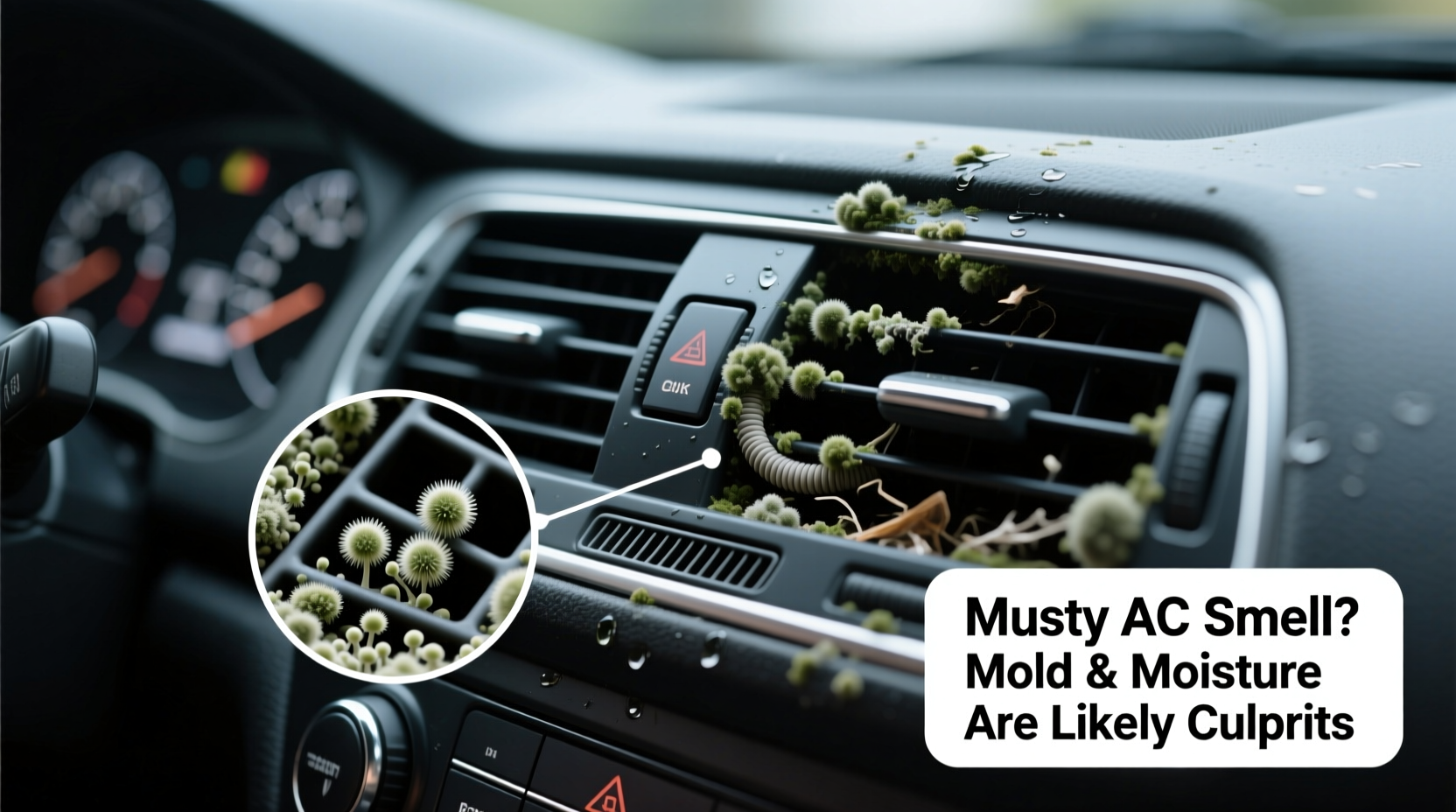
The musty odor from your car’s AC is typically biological in origin. Microbial growth—especially mold and bacteria—thrives in dark, moist environments. Inside your vehicle’s HVAC system, the evaporator core sits behind the dashboard and is constantly exposed to humidity. When the AC runs, it cools the air by drawing heat into the refrigerant, causing moisture to condense on the coil. This water should drip out via the evaporator drain tube, but if the tube is blocked or the system doesn’t dry properly, residual moisture lingers.
In such conditions, airborne spores settle and multiply. These microorganisms feed on organic debris—like dust, pollen, and skin cells—that circulate through the cabin air filter and into the ductwork. As they grow, they emit musty-smelling gases as metabolic byproducts. Studies have shown that certain species of fungi, such as *Aspergillus* and *Penicillium*, are commonly found in automotive HVAC systems and are known contributors to indoor air quality problems.
“Microbial contamination in car HVAC systems is more common than people realize. Regular maintenance and airflow hygiene are essential not only for comfort but also for health.” — Dr. Linda Tran, Environmental Health Specialist at AutoAir Labs
Common Causes of Musty AC Odors
- Clogged or dirty evaporator drain tube: Prevents proper drainage, leading to standing water.
- Failing cabin air filter: A saturated or old filter traps moisture and organic matter, promoting mold growth.
- Infrequent AC use: Lack of regular operation prevents the system from drying out.
- Pollen and debris buildup: Accumulates in ducts and on the evaporator, feeding microbial colonies.
- Leaking seals or sunroof drains: Introduce external moisture into the HVAC plenum.
- Biocide depletion: Some vehicles come with antimicrobial coatings on evaporators, which degrade over time.
Step-by-Step Guide to Eliminate Musty AC Odor
Eliminating the smell requires both cleaning and preventive measures. Here’s a proven sequence of actions you can take, whether you’re doing it yourself or preparing for a professional service.
- Inspect and replace the cabin air filter. Located behind the glovebox or under the windshield cowl, this filter traps dust and allergens. If it’s damp, dark, or visibly dirty, replace it immediately. A clean filter improves airflow and reduces organic material available for mold growth.
- Clear the evaporator drain tube. Use compressed air or a thin wire (like a coat hanger) to blow out blockages. You’ll usually find the drain underneath the vehicle near the firewall. Clearing it ensures condensation can escape instead of pooling.
- Vacuum interior vents. Use a soft brush attachment to remove visible dust from dashboard and floor vents. While this won’t reach deep into the system, it removes surface contaminants.
- Apply an HVAC deodorizing cleaner. Purchase a foaming or aerosol-based HVAC cleaner designed for automotive use. Start the engine, set the AC to max with recirculation off (to draw fresh air), then insert the nozzle into the fresh air intake (usually near the base of the windshield). Spray the entire contents while the system runs.
- Disinfect the evaporator coil (advanced). For persistent odors, consider a UV-C light installation or professional ozone treatment. These methods kill mold spores at the source but require specialized equipment.
- Prevent recurrence with routine habits. Run the AC for at least 10 minutes weekly, even in winter. Before shutting off, switch to vent mode with the fan on high to dry internal components.
Do’s and Don’ts: Maintaining a Fresh AC System
| Do’s | Don’ts |
|---|---|
| Replace the cabin air filter every 12,000–15,000 miles or annually | Ignore a musty smell—early action prevents deeper contamination |
| Run the AC regularly, even in cooler months | Use household disinfectants inside vents—they can damage plastic and rubber |
| Use recirculation mode sparingly in humid climates | Let leaves or debris accumulate near the cowl grille where air enters |
| Keep floor mats dry and clean to reduce interior humidity | Assume the problem is “just a smell”—it could affect air quality |
Real-World Example: Sarah’s Summer Commute Fix
Sarah, a schoolteacher from Florida, noticed a strong musty odor every time she turned on her 2018 Honda CR-V’s AC each morning. At first, she assumed it was from leaving gym clothes in the back seat. But after cleaning the interior thoroughly, the smell returned. She took it to a local auto shop, where a technician inspected the cabin filter and found it blackened with mold. The evaporator drain was partially clogged, and moisture had pooled beneath the dash.
The technician replaced the filter, cleared the drain with compressed air, and performed a foaming HVAC treatment. Sarah was advised to run the AC on full fan for five minutes before turning off each day. Within a week, the odor disappeared completely. More importantly, her allergy symptoms—sneezing and congestion during drives—also improved significantly.
This case highlights how a seemingly minor issue can escalate into both comfort and health concerns if ignored. Early detection and proper intervention made all the difference.
When to Seek Professional Help
While many cases can be resolved with DIY maintenance, some situations require expert attention:
- You’ve replaced the filter and cleaned the system, but the smell persists.
- Water is pooling inside the cabin, especially on the passenger side—this may indicate a cracked evaporator housing or failed seal.
- You hear unusual noises or notice reduced cooling performance alongside the odor.
- Your vehicle has been flooded or exposed to prolonged high humidity.
Professionals can perform deep-cleaning procedures using industrial-grade biocides or ozone generators. Some shops offer UV-C light installations that continuously inhibit microbial growth on the evaporator coil—a long-term solution for chronic issues.
Tip: If your car sits unused for weeks, place moisture-absorbing packets (like silica gel) inside the cabin to reduce ambient humidity.FAQ: Common Questions About Musty Car AC Smells
Can a musty AC make me sick?
Yes. Mold and bacteria in the HVAC system can release spores and irritants into the cabin air. Sensitive individuals may experience coughing, sneezing, headaches, or worsened asthma symptoms. Long-term exposure in poorly ventilated spaces is a concern, especially for children and those with respiratory conditions.
How often should I clean my car’s AC system?
For most drivers, a thorough cleaning every 12 to 18 months is sufficient. However, if you live in a humid climate or frequently drive on dusty roads, consider doing it annually. Combine this with regular cabin filter changes and good ventilation habits.
Will changing the cabin air filter fix the smell?
It often helps, especially if the filter is old or moldy. However, the filter is just one part of the system. If mold has already colonized the evaporator or ducts, additional cleaning will be necessary. Think of the filter as the first line of defense—not a complete solution.
Prevention Checklist
To keep your car’s AC smelling fresh year-round, follow this actionable checklist:
- ✅ Replace the cabin air filter annually or per manufacturer’s recommendation
- ✅ Inspect the evaporator drain tube for blockages once a year
- ✅ Run the AC on max fan for 5–10 minutes before shutdown
- ✅ Avoid using recirculation mode excessively in humid weather
- ✅ Clean floor mats and vacuum interior regularly to reduce organic debris
- ✅ Keep the cowl area (base of the windshield) free of leaves and debris
- ✅ Use an HVAC deodorizer treatment every 12–18 months
- ✅ Consider installing a moisture absorber in the cabin during storage
Conclusion: Take Control of Your Car’s Air Quality
A musty car AC isn’t something you have to live with. Understanding the cause—moisture trapped in the HVAC system leading to mold and bacterial growth—puts you in control. With consistent maintenance, simple cleaning routines, and smart driving habits, you can eliminate the odor and ensure your vehicle delivers clean, fresh air every time you turn the key.
Don’t wait until the smell becomes unbearable or starts affecting your health. Address it early, apply the steps outlined here, and make cabin air hygiene part of your regular vehicle care. Your lungs—and your passengers—will thank you.
💬 Have you dealt with a stubborn AC smell? Share your experience or tips in the comments below—your insight could help another driver breathe easier!








