
Towels should feel soft, fresh, and clean—especially after a wash. Yet many people find themselves pulling out damp-smelling linens that reek of mildew or sourness, despite using detergent and running full cycles. This frustrating issue is more common than you might think, and it's not just about dirty laundry. Sour-smelling towels are usually the result of trapped moisture, bacterial growth, detergent buildup, or poor ventilation in your laundry routine. Left unchecked, these conditions create the perfect environment for mildew and odor-causing microbes to thrive.
The good news? This problem is entirely preventable and fixable with the right knowledge and habits. Understanding the root causes—and implementing targeted solutions—can restore freshness to your towels and protect your home from lingering mustiness.
Why Towels Develop Sour Smells After Washing
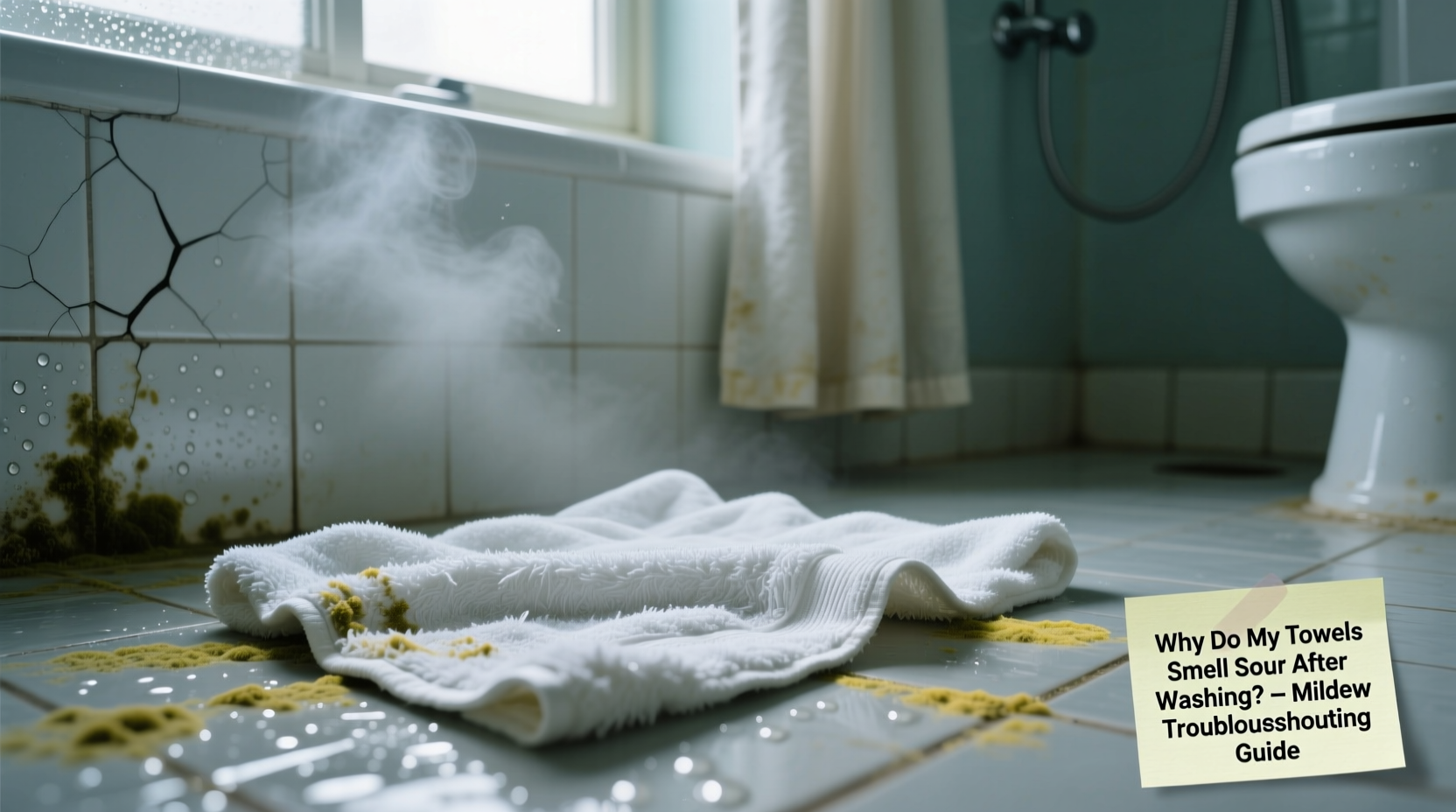
Contrary to popular belief, sour odors in clean towels aren’t always due to infrequent washing or poor hygiene. In fact, over-washing or improper drying can make things worse. The real culprits lie in moisture retention, microbial activity, and chemical residue.
Cotton towels are highly absorbent by design. While this makes them excellent at soaking up water during use, it also means they hold onto moisture long after washing. If towels remain damp for too long—whether in the washer, dryer, or linen closet—microorganisms like bacteria and mold begin to grow. These microbes break down organic matter (like skin cells, sweat, and body oils) trapped in the fabric, producing volatile organic compounds responsible for the sour or musty smell.
A 2022 study published in *Applied and Environmental Microbiology* found that damp textiles stored in humid environments developed significant microbial colonies within just 24 hours. The research emphasized that even \"clean\" laundry could harbor pathogens if not dried promptly and thoroughly.
“Moisture is the enemy of freshness in textiles. A towel left damp overnight can start cultivating odor-causing bacteria before you even hang it up.” — Dr. Lena Pruitt, Microbiologist & Textile Hygiene Researcher
Common Causes of Persistent Towel Odors
Several interrelated factors contribute to sour-smelling towels. Identifying which apply to your situation is key to eliminating the problem.
1. Overloading the Washer or Dryer
When the washing machine is packed beyond capacity, towels don’t get proper agitation or rinsing. Detergent and soil aren’t fully removed, leaving behind residues that trap moisture and feed bacteria. Similarly, an overstuffed dryer prevents air circulation, resulting in uneven drying.
2. Using Too Much Detergent
More detergent doesn’t mean cleaner towels. Excess soap clings to fibers and builds up over time, creating a sticky layer that attracts dirt and retains water. High-efficiency (HE) machines are especially sensitive to overdosing.
3. Skipping Hot Water Washes
While cold water saves energy, it’s less effective at killing bacteria and removing oils. For towels, periodic hot water cycles (130°F/54°C or higher) are essential for deep sanitation.
4. Leaving Wet Laundry in the Washer
Even a few hours in a sealed drum turns clean laundry into a breeding ground. The warm, dark, moist environment accelerates microbial growth rapidly.
5. Poor Ventilation in Bathrooms and Storage Areas
Hanging a towel in a steamy bathroom without exhaust fans leads to slow drying. Likewise, storing towels in closed cabinets or humid closets perpetuates dampness.
6. Fabric Softener Buildup
Liquid fabric softeners and dryer sheets coat fibers with waxy residues that reduce absorbency and trap odors. Over time, this film becomes nearly impossible to remove through regular washing.
Tip: Replace liquid fabric softener with white vinegar in the rinse cycle to soften towels naturally and dissolve mineral deposits.Step-by-Step Guide to Eliminate Sour Smells
If your towels already smell off, follow this six-step restoration process to reset their freshness and prevent recurrence.
- Strip Wash the Towels: Run a hot water cycle with no detergent. Add ½ cup of baking soda and ½ cup of white vinegar. This combination breaks down oil, soap scum, and biofilm clinging to fibers.
- Follow with a Second Rinse: Run another hot cycle with only 1 cup of distilled white vinegar. This removes any remaining residue and neutralizes odors.
- Air-Dry Completely: Hang towels outside in direct sunlight if possible. UV rays have natural disinfectant properties. If indoors, use a well-ventilated area with a fan.
- Inspect the Washing Machine: Clean the drum, door seal, detergent drawer, and filter. Mold often hides in rubber gaskets and dispensers. Wipe with a solution of equal parts vinegar and water.
- Wash Again with Proper Load Size: After stripping, wash towels normally but ensure the machine isn't overloaded. Use the correct amount of HE-compatible detergent.
- Dry Thoroughly: Tumble dry on medium heat with wool dryer balls to improve airflow and reduce drying time.
Repeat this deep-cleaning process every 4–6 weeks for heavily used towels, especially in humid climates.
Do’s and Don’ts for Fresh Towels
| Do | Don’t |
|---|---|
| Wash towels in hot water weekly | Use fabric softener regularly |
| Add ½ cup white vinegar to rinse cycle | Overload the washing machine |
| Dry towels completely before storing | Leave wet towels balled up on the floor |
| Store in open, ventilated cabinets | Keep towels in sealed plastic bins |
| Replace towels every 1–2 years | Ignore persistent musty smells |
| Use microfiber towels for quick drying | Wash towels with lint-producing fabrics |
Real Example: How One Household Fixed Chronic Towel Odors
The Rivera family of four had struggled for months with towels that smelled sour within days of washing. Despite using premium detergents and washing twice a week, the problem persisted. They assumed their towels were defective—until they consulted a local laundry specialist.
The expert discovered three main issues: first, the family was using double the recommended detergent dose; second, they routinely left laundry in the washer overnight; third, all towels were stored in a cedar-lined closet with no airflow.
After switching to measured HE detergent, adding vinegar to the rinse cycle, installing a shelf fan in the closet, and committing to immediate drying, the sour smell disappeared within two weeks. Within a month, their towels felt softer and lasted longer between washes.
This case highlights how small behavioral changes—not expensive products—can resolve persistent odor problems.
Prevention Checklist
To keep towels consistently fresh, follow this daily and weekly checklist:
- ✅ Shake out towels after each use to increase airflow
- ✅ Hang towels on wide bars, not crumpled hooks
- ✅ Run bathroom exhaust fans during and after showers
- ✅ Wash towels every 3–4 uses (or sooner if damp)
- ✅ Use hot water for whites, warm for colors
- ✅ Measure detergent precisely—never “eyeball” it
- ✅ Skip fabric softener; use vinegar instead
- ✅ Remove laundry immediately after cycle ends
- ✅ Clean washing machine monthly
- ✅ Rotate towel sets to allow full drying between uses
Frequently Asked Questions
Can I use bleach to remove sour smells from towels?
Yes—but sparingly. Chlorine bleach effectively kills bacteria and removes organic stains, but overuse weakens cotton fibers and accelerates wear. For white towels, add ½ cup of bleach to a hot wash once every few months. Never mix bleach with vinegar or ammonia—it creates dangerous fumes.
Are some towel materials less prone to odors?
Absolutely. Microfiber dries quickly and resists bacterial growth better than cotton. Bamboo towels are naturally antimicrobial and highly absorbent. However, cotton remains popular for its softness and durability. Regardless of material, proper care matters most.
Why do my towels smell fine when dry but develop odor when wet?
This is a classic sign of residual bacteria embedded in the fibers. When dry, microbes are dormant. But upon rewetting, they reactivate and begin metabolizing trapped organic matter, releasing odor. A thorough hot wash with vinegar or oxygen bleach will eliminate the colony.
Long-Term Maintenance Tips
Keeping towels fresh isn’t a one-time fix—it requires consistent habits. Integrate these practices into your routine:
- Rotate towel sets: Have at least two weeks’ worth so each set fully dries between uses.
- Label guest vs. personal towels: Limit cross-use to reduce contamination.
- Inspect for mildew in storage areas: Check shelves, drawers, and hampers for signs of moisture damage.
- Replace old towels proactively: After 18–24 months of regular use, towels lose absorbency and become harder to clean.
- Use a dehumidifier in damp bathrooms: Maintaining humidity below 50% inhibits mold and mildew growth.
Consider switching to lighter-weight Turkish or Egyptian cotton towels if you live in a humid climate. Their open weave allows faster drying compared to dense terry cloth.
Conclusion: Take Control of Towel Freshness Today
Sour-smelling towels are not inevitable—they’re a signal that something in your laundry system needs adjustment. Whether it’s detergent habits, drying practices, or environmental moisture, each factor plays a role in textile hygiene. By addressing the root causes and adopting science-backed cleaning methods, you can enjoy consistently fresh, soft, and sanitary towels.
Start today: pull out your worst offender, run a vinegar-baking soda strip wash, and inspect your washing machine. Small changes yield dramatic results. Your nose—and your guests—will thank you.
💬 Have a towel freshness hack that works for you? Share your experience in the comments and help others banish sour smells for good!








