
Waking up to a soft but persistent squeak from your car’s brakes every morning can be unsettling. While it might seem like a minor annoyance, brake noise—especially when consistent—can signal underlying issues that affect both performance and safety. Unlike sudden grinding or vibrations, morning squeaks are often dismissed as harmless, particularly if they disappear after a few stops. But understanding the root causes and knowing how to respond is crucial for long-term vehicle reliability and driver confidence.
This article breaks down the science behind morning brake squeaks, identifies common mechanical and environmental triggers, and provides practical safety checks you can perform at home. Whether you're a seasoned DIYer or simply want to avoid costly repairs, this guide delivers actionable insights backed by automotive expertise.
The Science Behind Morning Brake Squeal
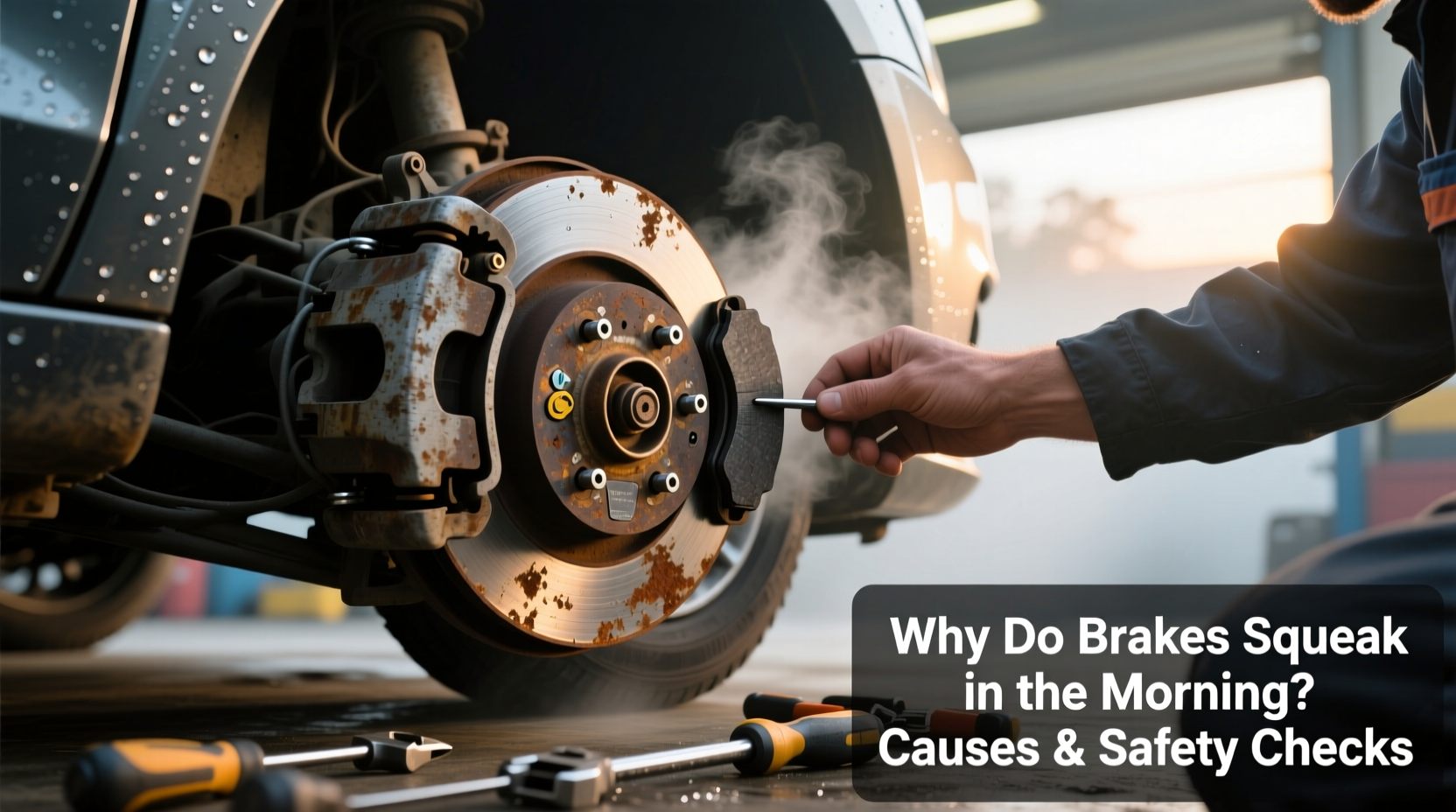
Brake squeaking in the morning is frequently tied to environmental conditions rather than immediate mechanical failure. During overnight hours, moisture from dew, fog, or humidity settles on the surface of brake rotors. When metal components—especially cast iron rotors—are exposed to moisture, a thin layer of surface rust begins to form. This oxidation isn’t deep corrosion but enough to alter the friction interface between the brake pad and rotor.
When you apply the brakes for the first time in the morning, the pads scrape against this microscopically rough rust layer. The resulting vibration resonates through the caliper and suspension system, producing the familiar high-pitched squeal. After several applications, the rust is worn away, restoring smooth contact and eliminating the noise.
This phenomenon is especially common in regions with high humidity or after rainy nights. It's typically harmless if it lasts only a few stops and doesn't return throughout the day. However, if the squeaking persists beyond the warm-up phase or occurs under dry conditions, it may point to more serious concerns such as worn pads, debris contamination, or hardware fatigue.
“Surface rust on rotors is normal and expected. The key is whether the noise resolves quickly. Persistent squealing indicates a need for inspection.” — Mark Delaney, ASE-Certified Master Technician
Common Causes of Morning Brake Squeaking
Not all brake squeaks stem from moisture. Several factors contribute to early-morning noise, some benign, others requiring attention:
- Surface Rust on Rotors: As discussed, overnight moisture leads to light oxidation. This is the most common cause of temporary morning squeaking.
- Worn Brake Pads: Many modern brake pads include wear indicators—small metal tabs designed to contact the rotor when pad thickness drops below 3mm. These produce a consistent squeal, often mistaken for moisture-related noise.
- Ceramic vs. Semi-Metallic Pads: Ceramic pads are quieter and produce less dust but can be more prone to harmonic vibration in cool, damp conditions. Semi-metallic pads, while durable, are naturally noisier due to their metallic content.
- Lack of Pad Lubrication: Caliper slides and pad mounting points require high-temperature grease. Without it, metal-on-metal contact can generate noise during initial use.
- Debris Between Pad and Rotor: Small stones, road grit, or even leaves trapped in the caliper assembly can create intermittent squeaking until dislodged.
- Glazed Pads or Rotors: Overheating from aggressive braking can cause pads and rotors to develop a glassy, hardened surface that reduces grip and increases noise.
Safety Checks You Can Perform at Home
You don’t need a mechanic’s tools to conduct basic brake inspections. A few simple checks can help determine whether the squeak is routine or requires professional attention.
- Visual Inspection of Brake Pads: Look through the wheel spokes (on alloy wheels) or remove the wheel if necessary. Measure pad thickness—anything under ¼ inch (6mm) warrants monitoring; under 3mm needs replacement.
- Check for Wear Indicators: Listen for a consistent, metallic squeal not limited to mornings. This often means the wear tab is contacting the rotor.
- Examine Rotors: Look for deep grooves, scoring, or cracks. Minor surface discoloration is normal, but uneven wear or bluing (heat staining) suggests problems.
- Inspect for Debris: Shine a flashlight into the caliper area. Remove any visible stones or foreign material with a pick tool or compressed air.
- Test Braking Performance: Drive in a safe area and note stopping distance, pedal feel, and any pulsation. Soft pedal or vibration indicates air in lines or warped rotors.
Brake Component Condition Guide
| Component | Normal Condition | Warning Signs | Action Required |
|---|---|---|---|
| Brake Pads | Thickness ≥ 6mm, even wear | ≤ 3mm, chipping, cracked backing | Replace within 1,000 miles |
| Rotors | Smooth, no deep grooves | Scoring, warping, blue spots | Resurface or replace |
| Caliper Slides | Movement smooth, lubricated | Stiffness, corrosion | Clean and re-lubricate |
| Brake Fluid | Clear to amber, level in reservoir | Dark color, low level | Bleed and refill |
When to Worry: Red Flags Beyond the Morning Squeak
While occasional morning noise is common, certain symptoms demand immediate action. Ignoring these can compromise stopping power and lead to expensive rotor or caliper damage.
- Persistent Squealing: If the noise continues after driving for several minutes, it may indicate worn pads or lack of lubrication.
- Grinding Sounds: Metal-on-metal grinding suggests pads are completely worn down. Continuing to drive risks destroying rotors.
- Vibration in the Pedal: Often caused by warped rotors, which result from overheating or improper torque on lug nuts.
- Soft or Spongy Pedal: Indicates air in the brake lines or fluid leakage—both critical safety issues.
- Dashboard Warning Light: The brake warning light (not to be confused with ABS) should never be ignored. It may signal low fluid, parking brake engagement, or system imbalance.
“A grinding noise isn’t just inconvenient—it means your safety margin is gone. You’re one emergency stop away from losing control.” — Lena Torres, Automotive Safety Consultant
Mini Case Study: Sarah’s Commute Alert
Sarah, a schoolteacher in Portland, noticed her 2018 Honda Civic made a faint squeak each morning during winter. She assumed it was due to rain and ignored it for weeks. By March, the noise lasted longer and was accompanied by a slight shudder when braking. A local shop found her front pads were down to 2mm, with the wear indicator fully engaged. The rotors had begun to develop shallow grooves from prolonged metal-on-metal contact.
Had she addressed the issue earlier, a simple pad replacement would have sufficed. Instead, she needed new pads and resurfaced rotors—a $380 repair versus an estimated $160 if caught sooner. Her experience underscores how seemingly minor noises can escalate when left unchecked.
Step-by-Step: What to Do When Brakes Squeak in the Morning
If you hear morning brake squeaks, follow this timeline to assess and act appropriately:
- Day 1–3: Observe Pattern
Note when the squeak occurs, how long it lasts, and whether it happens under dry or wet conditions. Record any changes in braking feel. - Day 4: Perform Visual Check
Inspect pad thickness and rotor condition. Use a flashlight and mirror if needed. Check brake fluid level in the reservoir. - Day 5: Test Drive Evaluation
Drive in a quiet area. Apply brakes gently and firmly at low speed. Listen for consistency in noise and feel for pulsation. - Day 6: Clean and Lubricate (If Qualified)
Remove wheels, clean caliper slides with brake cleaner, and apply high-temperature grease to contact points. Reassemble carefully. - Day 7: Schedule Professional Inspection (If Needed)
If squeaking persists beyond warm-up, or if pads are thin, book a brake inspection. Most shops offer free evaluations.
Frequently Asked Questions
Is it safe to drive if my brakes only squeak in the morning?
Yes, in most cases. If the noise fades within a few stops and there are no other symptoms like reduced braking power or grinding, it’s likely due to surface rust. However, monitor the situation closely and inspect pads regularly.
Can I prevent morning brake squeaks?
You can reduce occurrences by parking in a garage to minimize moisture exposure, using brake pads formulated for wet conditions, or lightly applying brakes before parking to leave a dry contact patch. However, some noise in humid climates is unavoidable.
Do all brake pads squeak when cold or wet?
No, but many do. Ceramic pads tend to be quieter than semi-metallic ones, though they can still vibrate under certain conditions. High-quality pads with anti-vibration shims and proper installation reduce noise significantly.
Final Checklist: Your Brake Health Action Plan
- ✅ Listen closely to when and how the squeak occurs
- ✅ Inspect pad thickness visually or via mechanic
- ��� Check for wear indicators or grinding sounds
- ✅ Ensure caliper hardware is lubricated and moving freely
- ✅ Replace pads before they reach 3mm thickness
- ✅ Schedule annual brake inspection, even if no symptoms appear
Conclusion: Stay Ahead of the Squeak
Brake squeaks in the morning are often nothing more than a fleeting interaction between moisture and metal. But treating every noise as “normal” risks overlooking early warnings of wear or failure. By staying informed, conducting simple checks, and acting promptly when patterns change, you protect not only your vehicle’s integrity but also your safety and that of others on the road.
Don’t wait for a grinding noise or a soft pedal to take action. Proactive maintenance saves money, prevents breakdowns, and ensures your car stops as reliably as it starts. If in doubt, consult a certified technician—your peace of mind is worth the visit.
💬 Have a brake story or tip to share? Join the conversation—comment below and help fellow drivers stay safe and informed!








