Many people experience a wave of drowsiness shortly after finishing a large meal—commonly known as the \"food coma.\" While occasional fatigue after eating may seem harmless, frequent post-meal sluggishness can disrupt productivity, affect mood, and signal underlying dietary imbalances. This phenomenon is not just about overeating; it involves complex interactions between digestion, blood flow, hormones, and food composition. Understanding the physiological mechanisms behind this fatigue empowers you to make informed choices that support sustained energy throughout the day.
The Science Behind Post-Meal Fatigue
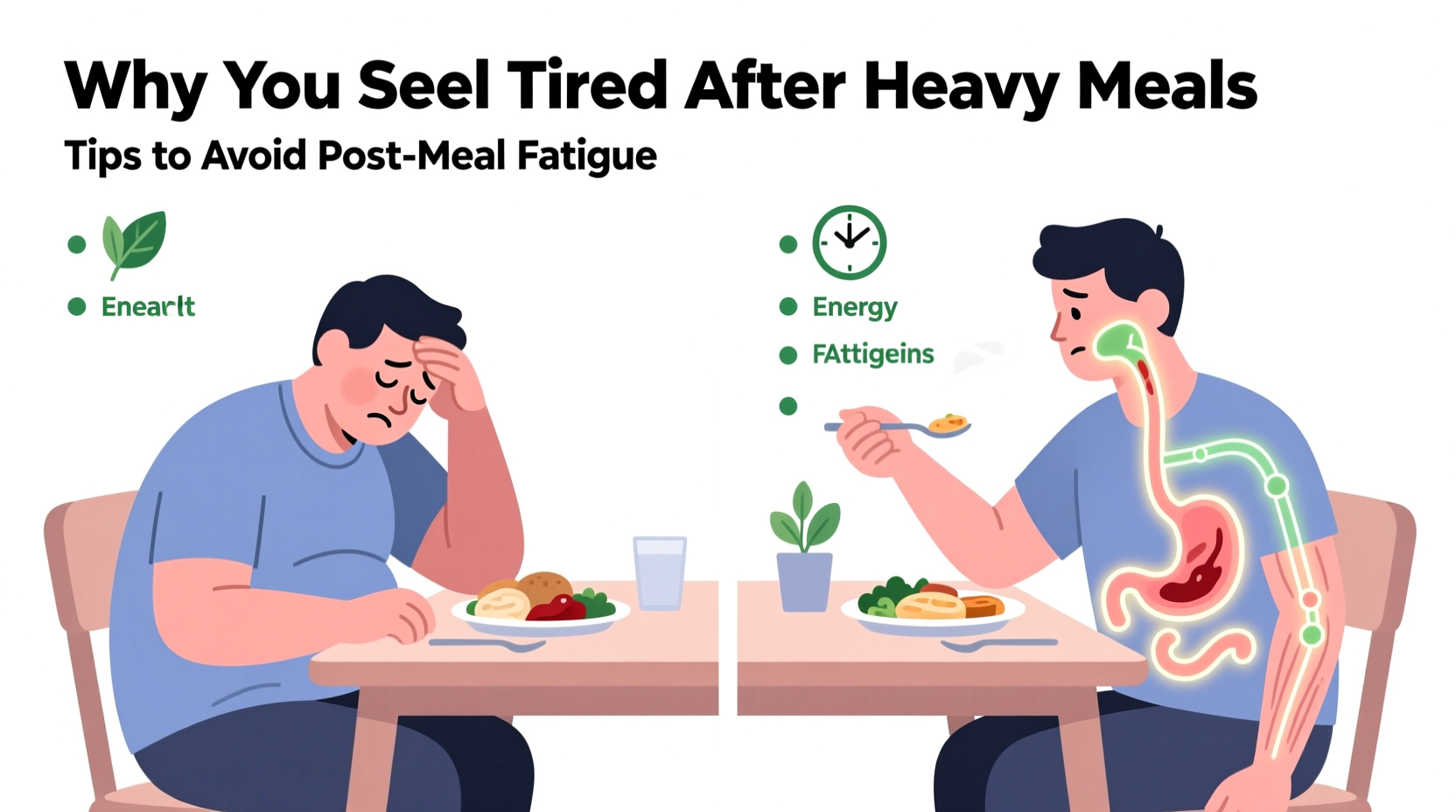
When you consume a heavy meal, especially one rich in fats, refined carbohydrates, or protein, your body initiates an intense digestive process. Blood flow is redirected from other areas of the body—particularly the brain and muscles—to the gastrointestinal tract to aid in breaking down food. This shift can reduce alertness and lead to feelings of lethargy.
One key player in this process is the hormone insulin. After eating, particularly meals high in simple carbohydrates like white bread, pasta, or sugary desserts, blood glucose levels spike rapidly. In response, the pancreas releases insulin to help cells absorb glucose for energy. However, if too much insulin is released, blood sugar can drop sharply afterward—a condition known as reactive hypoglycemia—which often triggers fatigue, irritability, and brain fog.
Additionally, certain foods promote the production of serotonin and melatonin, neurotransmitters associated with relaxation and sleep. Tryptophan, an amino acid found in turkey, cheese, eggs, and nuts, serves as a precursor to serotonin. When consumed alongside carbohydrates, tryptophan more easily crosses the blood-brain barrier, increasing serotonin synthesis and contributing to drowsiness.
“After a large meal, up to 70% more blood can be diverted to the digestive system. That’s less oxygen and nutrients going to the brain, which directly impacts mental clarity and energy.” — Dr. Lena Patel, Gastroenterologist and Nutrition Specialist
Common Culprits of Heavy-Meal Drowsiness
Not all meals trigger fatigue equally. The specific ingredients, portion sizes, and macronutrient balance play critical roles in how energized or drained you feel after eating. Below are some of the most common contributors to post-meal tiredness:
- High-fat meals: Fatty foods like fried items, creamy sauces, and processed meats take longer to digest, prolonging the body's focus on digestion and delaying nutrient absorption.
- Refined carbohydrates: White rice, pastries, bagels, and soda cause rapid spikes and crashes in blood sugar, leading to energy slumps within an hour of consumption.
- Large portion sizes: Overloading the stomach forces the digestive system to work harder, increasing metabolic demand and triggering fatigue.
- Alcohol consumption: Even moderate drinking with meals enhances sedative effects due to its depressant action on the central nervous system.
- Combination of protein and carbs: Meals like Thanksgiving dinner (turkey + mashed potatoes + pie) create a perfect storm for drowsiness by boosting insulin and tryptophan availability simultaneously.
How to Prevent Fatigue After Eating: A Step-by-Step Guide
Preventing post-meal fatigue doesn’t require drastic diet changes—it starts with mindful eating habits and strategic food selection. Follow this practical timeline to maintain steady energy after every meal:
- Before Eating: Plan Balanced Portions
Aim for meals that include lean protein, fiber-rich vegetables, healthy fats, and complex carbohydrates. Use the plate method: fill half your plate with non-starchy vegetables, one-quarter with protein, and one-quarter with whole grains or starchy vegetables. - During the Meal: Eat Slowly and Chew Thoroughly
It takes about 20 minutes for your brain to register fullness. Eating slowly helps prevent overconsumption and reduces digestive strain. Put your fork down between bites and engage in conversation during meals. - Immediately After Eating: Avoid Sedentary Behavior
Instead of sitting or lying down, take a gentle 10–15 minute walk. Light physical activity improves insulin sensitivity, supports digestion, and prevents blood sugar spikes. - One Hour Post-Meal: Stay Hydrated and Limit Caffeine
Dehydration can mimic or worsen fatigue. Drink water throughout the day, but avoid large amounts during meals, which may dilute stomach acid. If using caffeine, consume it before or well after eating to avoid disrupting digestion. - Ongoing: Optimize Meal Timing and Frequency
Some individuals benefit from smaller, more frequent meals (every 3–4 hours), while others thrive on two larger meals with snacks. Experiment to find what stabilizes your energy best.
Do’s and Don’ts at a Glance
| Do’s | Don’ts |
|---|---|
| Choose whole grains like quinoa, brown rice, or oats instead of refined carbs | Avoid white bread, sugary cereals, and pastries as meal staples |
| Include fiber-rich vegetables and legumes in every main meal | Don’t skip vegetables or replace them with starchy sides only |
| Pair carbohydrates with protein or healthy fats to slow glucose release | Never eat large amounts of sugar or starch alone |
| Take short walks after meals, even indoors | Don’t lie down or nap immediately after eating |
| Stay hydrated with water or herbal tea | Avoid excessive alcohol or sugary drinks with meals |
Real-Life Example: Managing Energy at Work
Sarah, a project manager at a tech firm, used to struggle with afternoon fatigue. Her typical lunch was a large chicken Caesar salad with extra dressing, garlic bread, and a soda. Within 30 minutes, she’d feel bloated, sleepy, and unable to focus during her 2 PM team meeting.
After consulting a nutritionist, Sarah adjusted her routine. She switched to grilled salmon with roasted sweet potatoes and steamed broccoli, drank water instead of soda, and started taking a 10-minute walk around the office building after lunch. Within a week, her energy levels stabilized. She no longer needed afternoon coffee to stay awake and reported improved concentration and fewer headaches.
Her transformation wasn’t about restriction—it was about balance. By reducing fat content, choosing complex carbs, and adding movement, she optimized digestion and maintained alertness without sacrificing satisfaction.
Nutritional Strategies to Sustain Energy
Dietary choices have a direct impact on how you feel after eating. Consider integrating these evidence-based practices into your daily routine:
- Prioritize low-glycemic index (GI) foods: These release glucose gradually, preventing sharp insulin responses. Examples include lentils, barley, apples, and most non-starchy vegetables.
- Incorporate healthy fats: Avocados, olive oil, nuts, and fatty fish support satiety without overwhelming digestion when consumed in moderation.
- Boost magnesium intake: Magnesium plays a role in energy production and muscle function. Found in spinach, pumpkin seeds, and dark chocolate, it may help regulate blood sugar and reduce fatigue.
- Limit processed foods: Ultra-processed items often contain hidden sugars, unhealthy fats, and additives that impair metabolic health over time.
“Energy crashes after meals are often preventable. It’s not about eating less—it’s about eating smarter. Focus on quality, timing, and rhythm.” — Dr. Marcus Tran, Functional Medicine PractitionerTip: If you crave something sweet after dinner, opt for a small piece of fruit with a few almonds. This combination satisfies cravings while stabilizing blood sugar.
Checklist: Beat Post-Meal Fatigue in 7 Steps
Use this actionable checklist to start making immediate improvements:
- ✅ Replace at least one refined carbohydrate per day with a whole grain or vegetable alternative
- ✅ Eat until 80% full—stop before feeling overly stuffed
- ✅ Include a source of fiber and protein in every meal
- ✅ Take a 10-minute walk after lunch and dinner
- ✅ Eliminate sugary beverages during meals
- ✅ Drink a glass of water upon waking and before each meal
- ✅ Track your energy levels for three days to identify problem foods
Frequently Asked Questions
Is it normal to feel tired after eating?
Mild drowsiness occasionally after a large or festive meal is common and usually harmless. However, consistent fatigue after regular meals may indicate poor dietary habits, insulin resistance, or an underlying condition like prediabetes or sleep apnea. If fatigue interferes with daily life, consult a healthcare provider.
Can food intolerances cause post-meal tiredness?
Yes. Conditions like gluten sensitivity, lactose intolerance, or irritable bowel syndrome (IBS) can trigger inflammation and digestive distress, leading to systemic fatigue. Symptoms may include bloating, gas, diarrhea, or brain fog within hours of eating trigger foods. An elimination diet under medical supervision can help identify sensitivities.
Does eating late at night increase fatigue the next day?
Eating heavy meals close to bedtime can impair sleep quality by causing indigestion or acid reflux. Poor sleep, in turn, amplifies daytime fatigue. Aim to finish dinner at least 2–3 hours before lying down to allow adequate digestion.
Conclusion: Reclaim Your Energy After Every Meal
Feeling tired after eating heavy meals isn't inevitable—it's a signal from your body asking for better fuel and smarter habits. By understanding the interplay between food, digestion, and energy regulation, you can transform your post-meal experience from sluggishness to sustained vitality. Small changes, like choosing whole foods, controlling portions, walking after meals, and staying hydrated, compound into significant long-term benefits.
You don’t need to give up your favorite dishes entirely. Instead, refine how and when you enjoy them. Balance indulgence with awareness. Listen to your body. Make adjustments based on how you feel—not just what you eat, but how you live around your meals.
💬 Ready to break the cycle of post-meal fatigue? Start today by swapping one heavy meal for a balanced alternative and notice the difference in your energy. Share your experience or ask questions in the comments below—we’re all learning together.








