
It’s a common experience: you eat a meal rich in carbohydrates—pasta, bread, rice—and within an hour, you’re struggling to stay awake. Your focus fades, your eyelids grow heavy, and all you want is a nap. This post-lunch slump isn’t just laziness; it’s your body reacting to changes in blood sugar. Understanding this process can help you make better food choices and maintain steady energy throughout the day.
Carbohydrates are not inherently bad—they’re essential for fueling your brain and muscles. But the type, quantity, and context of the carbs you eat play a major role in how your body responds. When poorly managed, carb consumption can trigger sharp rises and falls in blood glucose, leading directly to fatigue. Let’s break down what happens inside your body and how you can avoid the crash.
How Carbs Affect Blood Sugar Levels
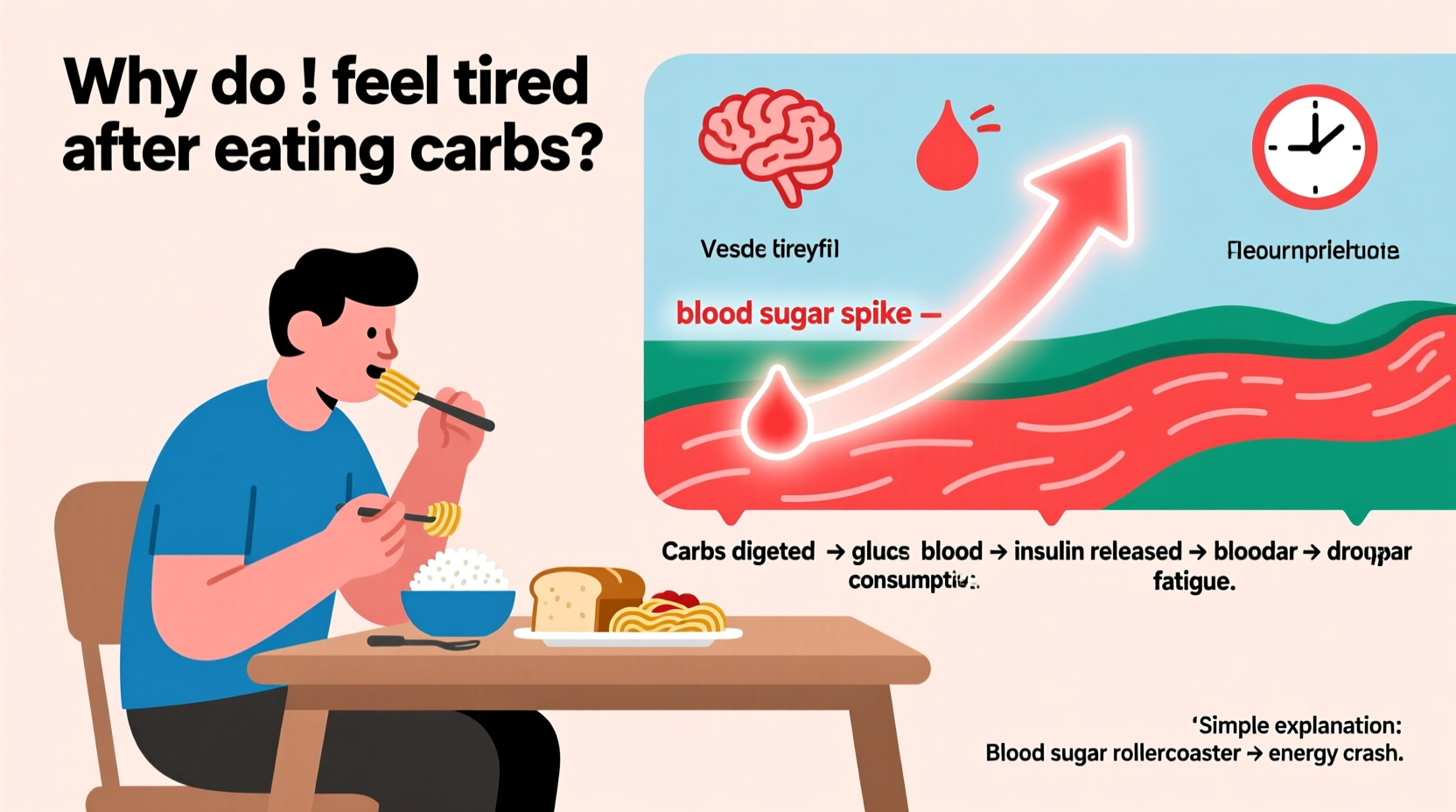
When you eat carbohydrates, your digestive system breaks them down into simple sugars, primarily glucose. This glucose enters your bloodstream, causing your blood sugar levels to rise. In response, your pancreas releases insulin—a hormone that acts like a key, unlocking your cells so they can absorb glucose for energy or store it for later use.
The speed and extent of this process depend on the type of carbohydrate. Simple carbs (like white bread, sugary cereals, or pastries) are digested quickly, leading to a rapid spike in blood sugar. Complex carbs (such as whole grains, legumes, and vegetables) take longer to break down, resulting in a slower, more gradual increase in glucose.
Here’s where fatigue often begins: if your blood sugar spikes too high, too fast, your body may overcompensate by releasing a large amount of insulin. This can drive glucose levels down sharply—sometimes below normal—leading to hypoglycemia, or low blood sugar. That drop is what causes symptoms like tiredness, irritability, brain fog, and cravings for more sugar.
Tip: Pair carbohydrates with protein, healthy fats, or fiber to slow digestion and prevent blood sugar spikes.The Role of Insulin and Energy Crashes
Insulin is crucial for managing blood sugar, but when it surges too aggressively, it doesn’t just lower glucose—it can cause your body to store excess energy as fat and leave your cells temporarily starved of fuel. Even though there’s plenty of glucose in your blood initially, the sudden influx of insulin can shut the doors to your cells too quickly.
This mismatch between available energy and usable energy creates a functional energy deficit. Your brain, which relies almost exclusively on glucose, is especially sensitive to these fluctuations. When glucose levels fall rapidly, your brain signals distress through fatigue and difficulty concentrating.
Over time, repeated blood sugar spikes and crashes can contribute to insulin resistance, a condition where cells become less responsive to insulin. This forces your pancreas to produce even more insulin, increasing the risk of type 2 diabetes, weight gain, and chronic fatigue.
“Rapid fluctuations in blood glucose are one of the most common yet overlooked causes of daytime fatigue.” — Dr. Lena Patel, Endocrinologist and Metabolic Health Specialist
Types of Carbs: What Makes the Difference?
Not all carbohydrates are created equal. The glycemic index (GI) is a scale that ranks carbs based on how quickly they raise blood sugar. Low-GI foods release glucose slowly and steadily, while high-GI foods cause rapid spikes.
| Carb Type | Glycemic Index Range | Examples | Effect on Energy |
|---|---|---|---|
| High-GI (Simple) | 70+ | White bread, corn flakes, soda, candy | Quick energy spike followed by a crash |
| Medium-GI | 56–69 | Honey, bananas, brown rice | Moderate rise, manageable crash |
| Low-GI (Complex) | 55 or below | Oats, lentils, sweet potatoes, most vegetables | Steady energy, minimal fatigue |
Eating low-GI carbohydrates helps maintain stable blood sugar and sustained energy. However, the glycemic load (GL)—which considers both GI and portion size—is often a more accurate predictor of real-world effects. A small serving of a high-GI food may have less impact than a large serving of a medium-GI food.
Step-by-Step Guide to Avoiding Post-Meal Fatigue
If you frequently feel tired after eating, follow this science-backed sequence to stabilize your blood sugar and preserve energy:
- Choose complex over simple carbs: Opt for whole grains, legumes, and vegetables instead of refined flours and added sugars.
- Combine carbs with protein and fat: Add a source of lean protein (chicken, eggs, tofu) and healthy fat (avocado, olive oil, nuts) to every meal.
- Include fiber-rich foods: Fiber slows digestion and blunts the glucose spike. Aim for at least 5 grams of fiber per meal.
- Control portion sizes: Large meals demand more insulin, increasing the risk of a crash. Use smaller plates and chew slowly.
- Move after eating: A 10–15 minute walk after meals helps muscles absorb glucose without needing as much insulin.
- Stay hydrated: Dehydration can worsen fatigue. Drink water before and after meals.
- Avoid skipping meals: Going too long without eating can lead to overeating later and exaggerated blood sugar swings.
Real-Life Example: Sarah’s Afternoon Slump
Sarah, a 34-year-old project manager, used to eat a bagel with jam for breakfast and a sandwich with chips for lunch. By 2 p.m., she was exhausted, reaching for candy or coffee to stay alert. Her productivity plummeted, and she felt guilty about her “laziness.”
After consulting a nutritionist, she learned that her meals were high in refined carbs and low in protein and fiber. She made simple changes: oatmeal with nuts and berries for breakfast, and grilled chicken salad with quinoa and olive oil dressing for lunch. Within a week, her afternoon crashes disappeared. She reported feeling more focused and energetic, without needing caffeine.
Her blood sugar logs showed fewer spikes and a smoother curve throughout the day. The change wasn’t about eating less—it was about eating smarter.
Checklist: Prevent Carb-Related Fatigue
- ✅ Choose whole, unprocessed carbs over refined ones
- ✅ Always pair carbs with protein or healthy fat
- ✅ Eat fiber-rich vegetables with every meal
- ✅ Avoid drinking sugary beverages with meals
- ✅ Take a short walk after eating, especially after larger meals
- ✅ Monitor how you feel 30–60 minutes after eating
- ✅ Stay consistent with meal timing to regulate insulin sensitivity
Other Factors That Influence Post-Meal Tiredness
While blood sugar is a primary culprit, other elements can amplify fatigue after eating:
- Meal size: Large meals divert blood flow to the digestive system, reducing oxygen to the brain and causing drowsiness.
- Tryptophan: Found in some foods (especially when paired with carbs), this amino acid can increase serotonin and melatonin production, promoting sleepiness.
- Food sensitivities: Undiagnosed gluten intolerance or other sensitivities can cause inflammation and fatigue after certain meals.
- Sleep quality: Poor sleep lowers insulin sensitivity, making blood sugar control harder and crashes more likely.
- Hydration: Dehydration mimics fatigue symptoms and impairs metabolic efficiency.
Addressing these factors holistically improves your resilience to carb-induced fatigue.
Frequently Asked Questions
Is it normal to feel tired after eating carbs?
Occasional tiredness after a large or high-sugar meal is common, but frequent or severe fatigue is not normal. It may indicate poor blood sugar regulation, dietary imbalance, or underlying conditions like insulin resistance or prediabetes.
Can eating too many “healthy” carbs still make me tired?
Yes. Even whole grains, fruits, and starchy vegetables can cause fatigue if eaten in large quantities or without balancing nutrients. Portion control and food pairing remain important, even with nutritious carbs.
How long after eating should I feel tired if my blood sugar is spiking?
Symptoms typically appear 30 to 90 minutes after a meal, peaking around the one-hour mark. If you consistently feel sluggish during this window, consider tracking your meals and energy levels to identify patterns.
Conclusion: Take Control of Your Energy
Feeling tired after eating carbs doesn’t mean you should eliminate them—it means you need to choose and combine them wisely. Your body thrives on balance. By understanding how blood sugar and insulin interact, you can transform your energy levels, improve mental clarity, and reduce reliance on stimulants.
Start small: swap white rice for brown, add a handful of almonds to your morning oats, or take a post-lunch stroll. These tiny shifts compound into lasting energy stability. You don’t need a complete diet overhaul—just smarter habits grounded in science.
💬 Have you noticed a change in your energy after adjusting your carb intake? Share your experience in the comments—your story could help someone else break free from the crash cycle.








