
Fatigue is more than just feeling sleepy after a long day. When exhaustion becomes a constant companion—dragging through mornings, struggling to focus at work, or lacking motivation for simple tasks—it’s time to look deeper. Millions report chronic tiredness not explained by obvious sleep deprivation. The reasons are often layered: lifestyle habits, medical conditions, emotional health, and even environmental factors all play a role. Understanding the root causes is the first step toward sustainable energy restoration.
Common Causes of Persistent Fatigue
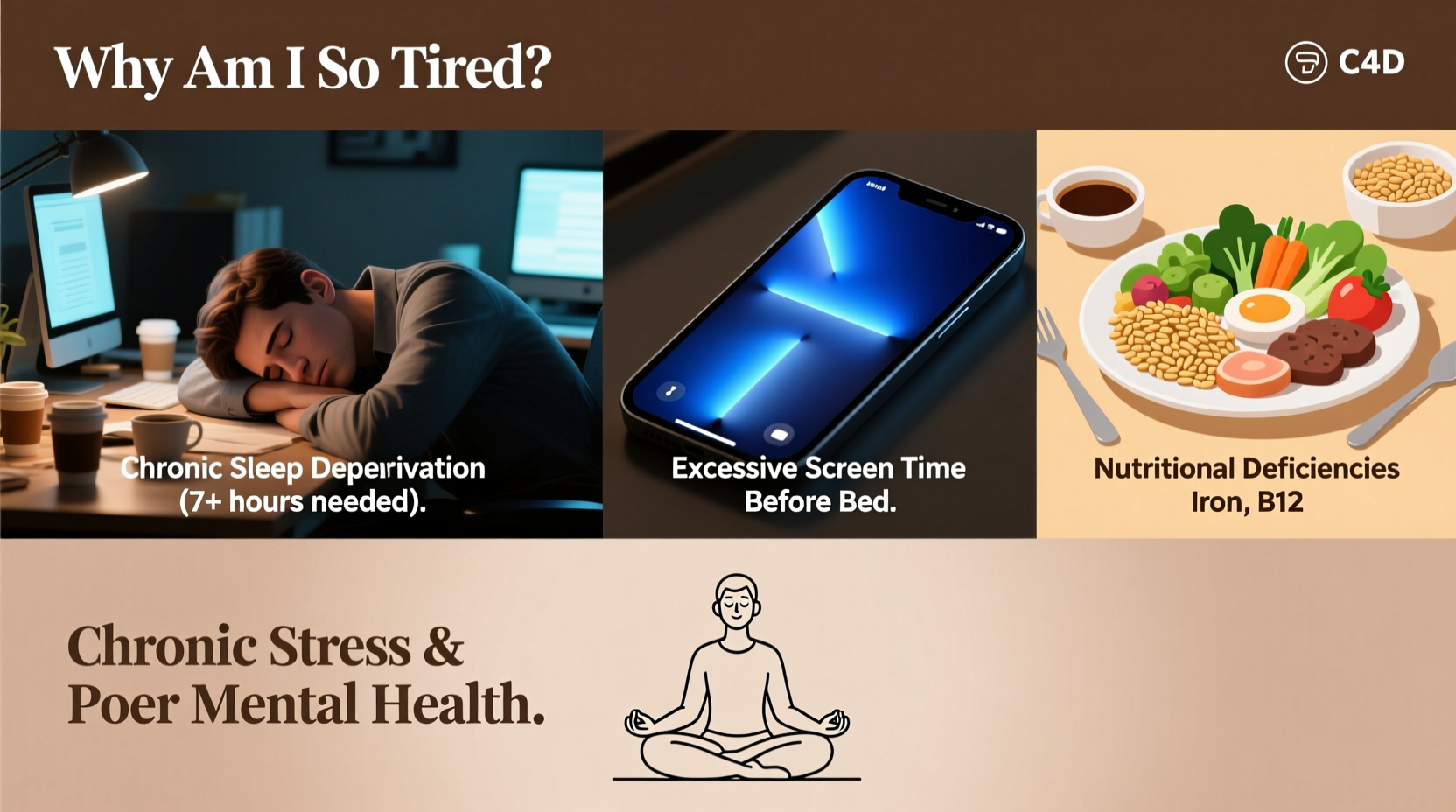
Chronic tiredness rarely stems from a single factor. Instead, it's usually the result of overlapping influences. Some causes are easily addressed with behavioral changes; others require medical evaluation.
- Poor Sleep Quality: Even if you sleep eight hours, fragmented or non-restorative sleep due to sleep apnea, insomnia, or poor sleep hygiene can leave you drained.
- Nutritional Deficiencies: Low iron (anemia), vitamin B12, magnesium, or vitamin D disrupt cellular energy production.
- Dehydration: Even mild dehydration reduces concentration and increases feelings of fatigue.
- Sedentary Lifestyle: Paradoxically, inactivity leads to lower stamina and higher perceived effort during daily tasks.
- Chronic Stress: Elevated cortisol over time impairs sleep, digestion, and immune function, contributing to burnout.
- Underlying Medical Conditions: Hypothyroidism, diabetes, heart disease, autoimmune disorders, and chronic infections like Lyme or Epstein-Barr virus can manifest primarily as fatigue.
- Mental Health Factors: Depression and anxiety frequently present with physical exhaustion, not just emotional symptoms.
“Fatigue is one of the most common complaints in primary care, yet it’s often dismissed. It’s crucial to treat it as a symptom, not a diagnosis.” — Dr. Lena Patel, Internal Medicine Specialist
Hidden Lifestyle Triggers You Might Be Overlooking
Many people assume they’re doing everything right—eating well, sleeping enough, exercising—but still feel exhausted. Often, subtle habits undermine their efforts.
Tip: Swap late-night screen time for reading under warm lighting. Blue light suppresses melatonin, delaying sleep onset and reducing deep sleep quality.Dietary Imbalances
Consuming high-sugar, processed meals leads to blood sugar spikes and crashes, causing mid-afternoon slumps. Skipping breakfast or relying on caffeine and sugar for energy creates a cycle of dependency and crash.
Overtraining or Under-Recovering
Intense workouts without adequate rest deplete glycogen stores and increase inflammation. Recovery is when the body rebuilds—without it, performance and energy decline.
Electronics and Mental Load
Constant notifications, multitasking, and digital overload strain cognitive resources. This mental fatigue accumulates even without physical exertion.
Step-by-Step Guide to Reclaim Your Energy
Reversing chronic fatigue requires a structured approach. Follow this timeline to identify and address key contributors over four weeks.
- Week 1: Track Your Baseline
- Keep a daily log: sleep times, food intake, energy levels (rated 1–10), mood, and activity.
- Note when fatigue peaks (e.g., post-lunch, early evening).
- Week 2: Optimize Sleep and Hydration
- Set a consistent bedtime and wake-up time—even on weekends.
- Drink half your body weight (in pounds) in ounces of water daily (e.g., 150 lbs = 75 oz).
- Remove screens from the bedroom and avoid caffeine after 2 p.m.
- Week 3: Adjust Nutrition and Movement
- Add protein and healthy fats to every meal to stabilize blood sugar.
- Walk 20–30 minutes daily; movement boosts mitochondrial efficiency.
- Eliminate sugary drinks and processed snacks.
- Week 4: Evaluate and Consult
- Review your log: did energy improve? What patterns emerged?
- Schedule a blood test: check thyroid (TSH), iron (ferritin), vitamin B12, and vitamin D.
- Consult your doctor if fatigue persists despite lifestyle changes.
Do’s and Don’ts: Quick Reference Table
| Do’s | Don’ts |
|---|---|
| Establish a consistent sleep schedule | Use your phone in bed before sleeping |
| Eat balanced meals with protein, fiber, and healthy fats | Rely on energy drinks or excessive coffee |
| Move daily—even gentle walking helps | Skip meals or eat only carbs |
| Practice stress-reduction techniques (breathing, meditation) | Ignore persistent fatigue for months |
| Get blood work if fatigue lasts >4 weeks | Self-diagnose based on internet searches |
Real Example: Maria’s Turnaround
Maria, a 38-year-old project manager, came to her doctor complaining of constant exhaustion. She slept seven hours a night, drank two cups of coffee, and ate salads for lunch. Despite this, she napped daily and felt “brain fog” by 3 p.m.
Her log revealed key issues: she skipped breakfast, drank minimal water, and worked late under bright office lights. Blood tests showed low ferritin (iron stores) and vitamin D deficiency. Her doctor prescribed supplements and recommended a morning routine with protein-rich breakfast and 15 minutes of sunlight.
Within three weeks, Maria reported sharper focus and no afternoon crashes. By week six, she stopped napping and felt energetic enough to resume yoga. Her case highlights how multiple small factors—nutrition, light exposure, hydration—can combine into debilitating fatigue.
Actionable Checklist: 7 Steps to Reduce Fatigue
Use this checklist weekly to build momentum toward sustained energy:
- ✅ Go to bed and wake up within the same 30-minute window daily
- ✅ Drink a glass of water upon waking
- ✅ Eat a protein-rich breakfast (e.g., eggs, Greek yogurt, or tofu scramble)
- ✅ Take a 20-minute walk outside (sunlight regulates circadian rhythm)
- ✅ Limit screen time 1 hour before bed
- ✅ Reduce added sugar and refined carbs
- ✅ Schedule a wellness check-up if fatigue continues beyond a month
Frequently Asked Questions
Why do I feel tired even after sleeping 8 hours?
Sleep duration isn’t the only factor. Poor sleep quality—due to sleep apnea, frequent awakenings, or lack of deep/REM sleep—can leave you unrested. Other causes include nutrient deficiencies, stress, or undiagnosed medical conditions.
Can stress really make me this tired?
Absolutely. Chronic stress keeps your body in a state of heightened alert, raising cortisol and adrenaline. Over time, this exhausts the adrenal system and disrupts sleep, digestion, and immune function, leading to profound fatigue.
When should I see a doctor about my fatigue?
If fatigue persists for more than four weeks despite improving sleep, diet, and stress management, it’s time to consult a healthcare provider. Also seek help if fatigue is accompanied by unexplained weight changes, pain, or mood disturbances.
Conclusion: Take Back Your Energy Starting Today
Feeling constantly tired isn’t something you have to accept. While occasional fatigue is normal, persistent exhaustion is a signal—not a sentence. By systematically addressing sleep, nutrition, movement, and mental load, most people see meaningful improvements within weeks. Small, consistent changes compound into lasting vitality. Don’t wait for burnout to worsen. Start tracking your habits today, make one adjustment at a time, and reclaim the energy you deserve.
💬 Your journey matters. Share your experience in the comments—what helped you overcome fatigue? Your story could inspire someone else to take their first step.








