Feeling exhausted despite getting eight hours of sleep is more common than many realize. Fatigue affects millions, impacting work performance, relationships, and overall well-being. While occasional tiredness is normal, persistent low energy often signals an underlying issue—ranging from lifestyle habits to medical conditions. Understanding the root causes and taking targeted action can restore your vitality and help you feel like yourself again.
Sleep Quality vs. Sleep Quantity
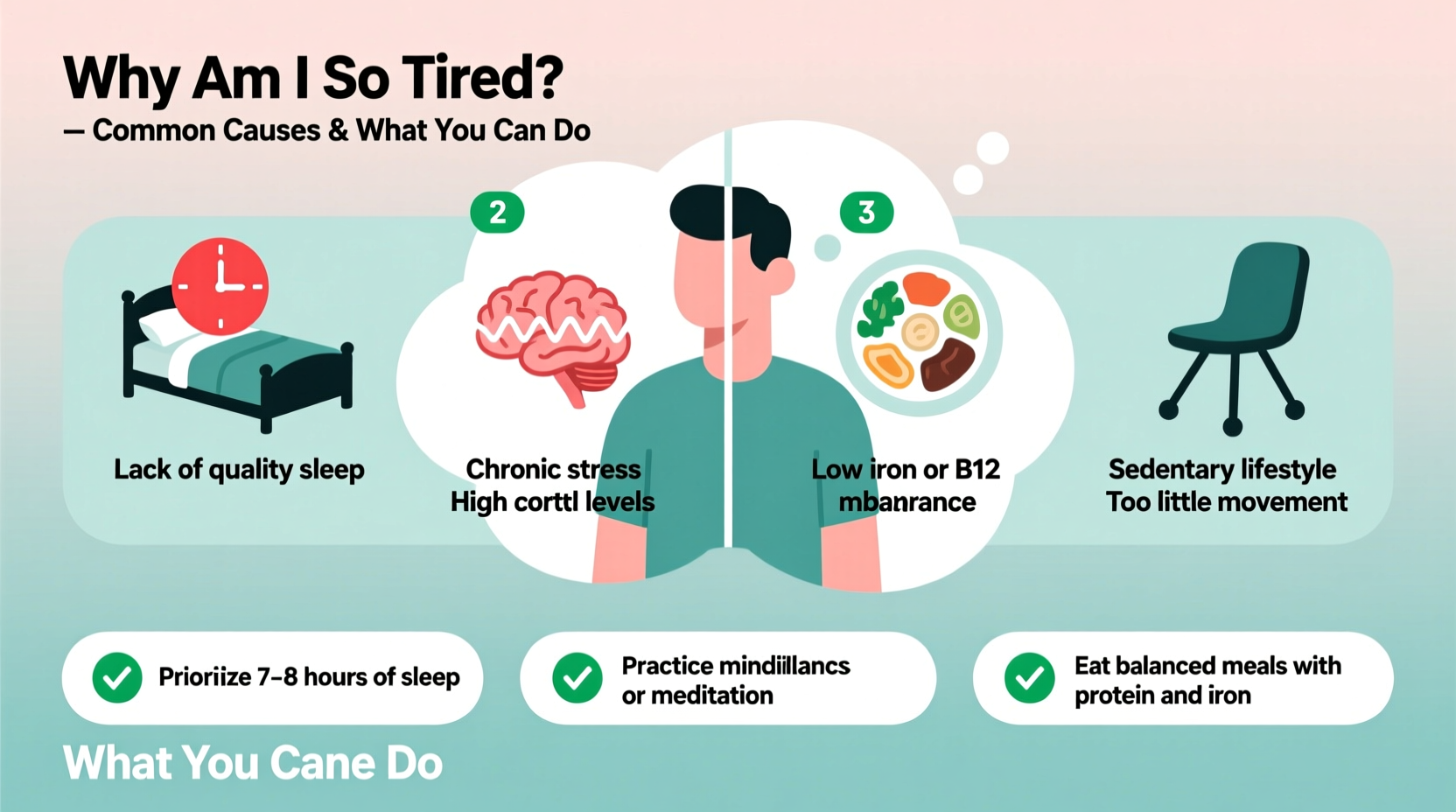
Spending eight hours in bed doesn’t guarantee restful sleep. Poor sleep quality—fragmented, shallow, or disrupted by conditions like sleep apnea—can leave you feeling drained even after a full night’s rest. Factors such as irregular sleep schedules, screen exposure before bed, caffeine consumption late in the day, and an uncomfortable sleeping environment all degrade sleep quality.
Deep, restorative sleep occurs during slow-wave and REM stages. If these phases are consistently interrupted, your body doesn’t get the chance to repair tissues, consolidate memories, or regulate hormones properly. Over time, this leads to chronic fatigue, brain fog, and weakened immunity.
Tip: Create a wind-down routine 30–60 minutes before bed: dim lights, avoid screens, and practice light stretching or breathing exercises.Nutritional Deficiencies and Energy Levels
Your body runs on fuel—specifically, nutrients that support cellular energy production. Iron deficiency anemia, vitamin B12 insufficiency, and low levels of magnesium or vitamin D are among the most common nutritional causes of fatigue.
- Iron: Essential for hemoglobin production; low levels reduce oxygen delivery to tissues.
- Vitamin B12: Crucial for nerve function and red blood cell formation; deficiency is common in vegetarians and older adults.
- Magnesium: Involved in over 300 enzymatic reactions, including energy metabolism.
- Vitamin D: Linked to immune health and mood regulation; deficiency often correlates with low energy and seasonal fatigue.
A balanced diet rich in leafy greens, lean proteins, whole grains, and healthy fats supports sustained energy. Skipping meals, relying on processed foods, or consuming excessive sugar leads to energy crashes due to insulin spikes and drops.
“Many patients come in complaining of exhaustion, only to discover their fatigue stems from undiagnosed iron deficiency or suboptimal B12 levels.” — Dr. Lena Patel, Internal Medicine Specialist
Lifestyle and Stress: The Hidden Energy Drains
Chronic stress activates the sympathetic nervous system, flooding the body with cortisol and adrenaline. While useful in short bursts, prolonged elevation of these hormones disrupts sleep, suppresses digestion, and depletes energy reserves. Mental fatigue from constant decision-making, emotional labor, or burnout can be just as debilitating as physical exhaustion.
Sedentary behavior also contributes. Sitting for long periods slows circulation and reduces mitochondrial efficiency—the powerhouses within cells responsible for energy production. Paradoxically, physical activity boosts energy by improving cardiovascular function and stimulating endorphin release.
| Factor | Energy Impact | What You Can Do |
|---|---|---|
| Chronic stress | Depletes mental and physical reserves | Practice mindfulness, set boundaries, prioritize rest |
| Sedentary lifestyle | Reduces stamina and circulation | Take walking breaks, stretch hourly, exercise 3–5x/week |
| Poor hydration | Even mild dehydration causes fatigue | Drink water consistently; aim for pale yellow urine |
| Excessive caffeine | Leads to crashes and sleep disruption | Limit intake to morning; cap at 400mg/day (about 2–3 coffees) |
Medical Conditions That Cause Persistent Fatigue
Sometimes, fatigue isn't just about lifestyle—it's a symptom of an underlying health issue. Common medical contributors include:
- Hypothyroidism: An underactive thyroid slows metabolism, causing weight gain, cold intolerance, and profound tiredness.
- Diabetes: Unstable blood sugar—especially if insulin resistant—leads to energy fluctuations and post-meal drowsiness.
- Anemia: Reduced red blood cell count limits oxygen transport, resulting in weakness and breathlessness.
- Chronic fatigue syndrome (ME/CFS): A complex disorder characterized by extreme fatigue not improved by rest.
- Depression and anxiety: Often manifest physically as fatigue, even without emotional symptoms.
If fatigue persists for more than two weeks despite adequate sleep and self-care, it’s wise to consult a healthcare provider. Blood tests can screen for thyroid function, blood sugar, iron, and vitamin levels to identify treatable causes.
Mini Case Study: Recovering From Burnout
Sarah, a 34-year-old project manager, worked 60-hour weeks for months leading up to a major product launch. Despite sleeping seven hours nightly, she felt constantly drained, irritable, and unable to focus. She began experiencing headaches and frequent colds. After visiting her doctor, bloodwork revealed low iron and elevated cortisol. Diagnosed with burnout and mild anemia, Sarah adjusted her schedule, started iron supplementation, and incorporated daily walks and meditation. Within six weeks, her energy returned, and she reported better concentration and mood.
Step-by-Step Guide to Regaining Your Energy
Reversing fatigue requires a multi-pronged approach. Follow this timeline to build sustainable energy:
- Week 1: Audit Your Habits
Track sleep, food, stress, and energy levels daily. Note patterns—when do you crash? What improves alertness? - Week 2: Optimize Sleep Hygiene
Go to bed and wake up at the same time daily. Remove electronics from the bedroom. Keep the room cool and dark. - Week 3: Improve Nutrition
Eat balanced meals every 3–4 hours. Include protein, fiber, and healthy fats. Reduce added sugar and refined carbs. - Week 4: Increase Movement
Start with 10-minute walks daily, building to 30 minutes of moderate activity 5 days a week. - Ongoing: Manage Stress
Practice deep breathing, journaling, or yoga. Set boundaries at work and protect personal downtime.
Checklist: Daily Actions to Combat Fatigue
- ✅ Drink water upon waking and stay hydrated throughout the day
- ✅ Eat a protein-rich breakfast (e.g., eggs, Greek yogurt, nuts)
- ✅ Get 5–15 minutes of morning sunlight to regulate circadian rhythm
- ✅ Take short movement breaks every hour if sitting for long periods
- ✅ Limit caffeine after 2 p.m.
- ✅ Write down worries before bed to clear mental clutter
- ✅ Stick to a consistent bedtime, even on weekends
Frequently Asked Questions
Why do I feel tired after eating?
Post-meal fatigue can result from large, carb-heavy meals that spike insulin. This causes a rapid drop in blood sugar, leading to drowsiness. Eating smaller, balanced meals with protein and fiber helps stabilize energy.
Can lack of exercise make me more tired?
Yes. Inactivity reduces cardiovascular efficiency and muscle strength, making everyday tasks more taxing. Regular exercise actually increases stamina and improves sleep quality over time.
Is it normal to feel tired all the time as you age?
No. While sleep patterns change with age, persistent fatigue is not a normal part of aging. It may indicate nutritional deficiencies, medication side effects, or untreated medical conditions.
Conclusion: Reclaim Your Energy
Constant fatigue doesn’t have to be your new normal. By identifying whether your tiredness stems from poor sleep, diet, stress, or an underlying condition, you can take meaningful steps toward recovery. Small, consistent changes—like hydrating properly, moving daily, and protecting your sleep—add up to significant improvements in how you feel. Listen to your body, seek professional guidance when needed, and prioritize self-care without guilt. Energy is not just the absence of tiredness; it’s a sign of a body and mind functioning in balance.
🚀 Start today: Pick one habit from the checklist and commit to it for seven days. Track how you feel. Small steps lead to lasting energy.








