Afternoon fatigue is a common experience—many people find themselves struggling to stay alert just hours after eating lunch. While it’s easy to blame the clock or a busy schedule, the real culprit often lies on your plate. The food choices you make at midday can dramatically influence your energy levels, mood, and cognitive performance in the hours that follow. Understanding the link between diet and post-lunch fatigue allows you to make small but powerful changes that keep you sharp and energized through the afternoon.
The phenomenon of feeling sluggish after eating—often called the \"afternoon crash\"—is not inevitable. It’s frequently tied to rapid spikes and drops in blood sugar, poor macronutrient balance, and digestion demands that divert blood flow from the brain. With intentional dietary adjustments, you can transform your lunch from an energy drain into a sustainable fuel source.
The Science Behind Post-Lunch Fatigue
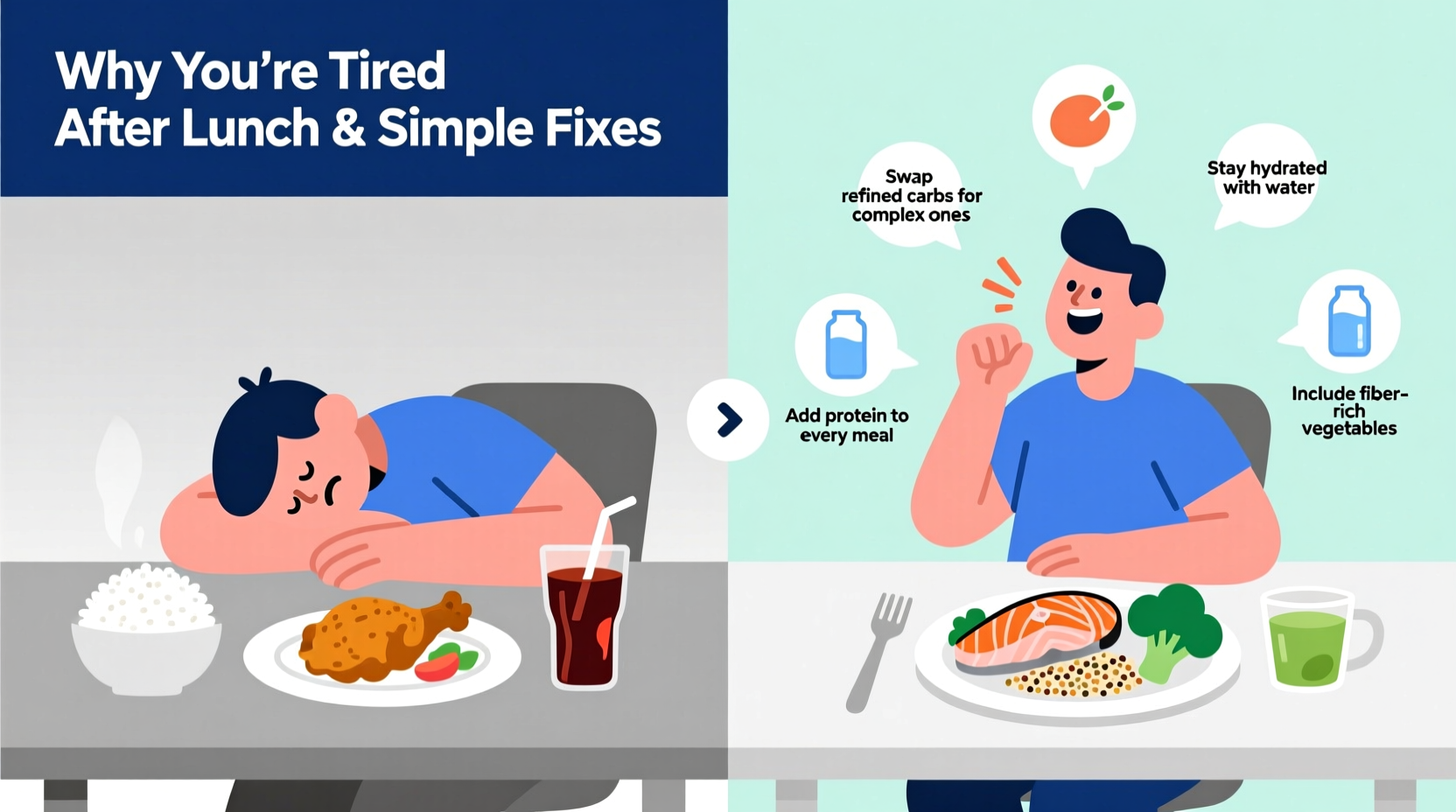
When you eat, especially a meal high in refined carbohydrates or sugars, your body releases insulin to manage rising blood glucose levels. A sudden surge in insulin can lead to a quick drop in blood sugar shortly afterward—a condition known as reactive hypoglycemia. This dip signals the brain to release adenosine, a neurotransmitter that promotes drowsiness. At the same time, the digestive process increases blood flow to the gut, which can reduce circulation to the brain, contributing to mental fog.
Additionally, large meals trigger the parasympathetic nervous system—the \"rest and digest\" mode—which naturally slows heart rate and encourages relaxation. While this is a normal physiological response, when combined with certain food types, it can amplify feelings of sleepiness.
“The composition of your lunch has a direct impact on your metabolic response and alertness. High-glycemic meals are strongly linked to postprandial somnolence.” — Dr. Lena Patel, Nutritional Biochemist
But not all lunches lead to fatigue. The key is choosing foods that provide steady energy without overstimulating insulin or overwhelming the digestive system.
Dietary Triggers of Afternoon Slump
Certain foods and eating patterns set the stage for post-meal exhaustion. Recognizing these triggers is the first step toward making better choices.
- Refined carbohydrates: White bread, pastries, white rice, and sugary snacks cause rapid blood sugar spikes followed by crashes.
- High-sugar meals: Even seemingly healthy options like fruit smoothies with added sugar or sweetened yogurt can lead to energy volatility.
- Large portion sizes: Overeating forces the body to work harder to digest, increasing fatigue.
- Low protein intake: Protein helps stabilize blood sugar and supports satiety; skipping it leads to quicker hunger and energy drops.
- Excessive saturated fats: Heavy, greasy meals slow digestion and increase lethargy.
- Dehydration: Even mild dehydration impairs concentration and contributes to tiredness.
Simple Dietary Tweaks That Help
You don’t need a complete diet overhaul to avoid the post-lunch crash. Small, consistent changes can yield significant improvements in energy and focus.
1. Balance Your Macronutrients
Aim for a lunch that includes complex carbohydrates, lean protein, and healthy fats. This combination slows digestion, prevents blood sugar spikes, and sustains energy.
For example, instead of a turkey sandwich on white bread, opt for whole grain bread with avocado, spinach, and a side of Greek yogurt. The fiber in whole grains, protein from turkey and yogurt, and fat from avocado create a stabilizing effect on energy levels.
2. Choose Low-Glycemic Carbohydrates
Low-glycemic foods release glucose gradually. These include:
- Quinoa, barley, and oats
- Sweet potatoes (in moderation)
- Legumes like lentils and chickpeas
- Most non-starchy vegetables
These carbs provide sustained fuel without the rollercoaster effect of refined grains.
3. Increase Protein Intake
Protein-rich foods help maintain fullness and prevent cravings. They also support dopamine production, a neurotransmitter linked to alertness.
Include at least 20–30 grams of protein in your lunch. Good sources include grilled chicken, tofu, eggs, fish, beans, cottage cheese, or tempeh.
4. Add Healthy Fats
Fats like those found in olive oil, nuts, seeds, and fatty fish slow gastric emptying, which helps regulate the release of energy. A tablespoon of flaxseed or a few slices of avocado can make a noticeable difference.
5. Control Portion Size
Eating too much overwhelms the digestive system. Stick to portions that satisfy without inducing discomfort. Use the plate method: half vegetables, one-quarter lean protein, one-quarter complex carbs.
Tip: Eat slowly and stop when you’re 80% full. It takes about 20 minutes for your brain to register satiety.What to Eat: A Practical Lunch Guide
To make implementation easier, here’s a comparison of common lunch choices and their energy impact.
| Lunch Option | Energy Impact | Recommended Upgrade |
|---|---|---|
| White pasta with tomato sauce | High crash risk – rapid carb spike | Use whole wheat or legume-based pasta + add grilled chicken or lentils |
| Deluxe burger and fries | Moderate-high crash – high fat, low fiber | Grilled chicken wrap in whole grain tortilla + side salad |
| Yogurt parfait with granola and honey | Medium crash – high sugar content | Plain Greek yogurt + berries + chia seeds + sprinkle of nuts |
| Tuna sandwich on white bread | Medium crash – lacks fiber and fat | Whole grain bread + tuna + avocado + spinach |
| Buddha bowl with quinoa, roasted veggies, chickpeas, tahini | Low crash risk – balanced macros | Already optimal – ensure portion control |
This table illustrates how minor ingredient swaps can significantly improve energy sustainability. The goal isn’t perfection but progress toward more stable fueling.
Mini Case Study: Sarah’s Afternoon Transformation
Sarah, a 34-year-old project manager, used to rely on fast food or convenience salads for lunch. By 2 p.m., she would feel mentally drained, reaching for coffee or candy to stay awake. After tracking her meals, she noticed a pattern: days with higher refined carbs led to worse crashes.
She began adjusting her lunches—replacing white rice bowls with quinoa and black beans, adding grilled salmon or tofu, and including a handful of almonds. Within two weeks, her afternoon alertness improved. She no longer needed a second cup of coffee and reported better focus during team meetings.
“I didn’t realize how much my lunch was sabotaging my productivity,” Sarah said. “Now I plan my midday meal like I plan a meeting—with purpose.”
Your Action Plan: Step-by-Step Guide
Transforming your lunch habits doesn’t have to be overwhelming. Follow this five-step timeline to build lasting change.
- Week 1: Audit Your Current Lunches
Track what you eat and how you feel afterward. Note energy dips, cravings, and mood shifts. Awareness is the foundation of change. - Week 2: Identify One Swap
Pick one recurring issue—like white bread or sugary drinks—and replace it. For example, switch soda for sparkling water with lemon. - Week 3: Build Balanced Plates
Design three go-to lunches that include protein, fiber, and healthy fats. Prep ingredients in advance to save time. - Week 4: Optimize Timing and Hydration
Eat lunch at a consistent time each day. Drink a glass of water before eating, and aim for 1.5–2 liters daily. - Ongoing: Reflect and Refine
Every month, review your energy trends. Adjust based on what works best for your body and schedule.
“Sustainable energy comes from consistency, not perfection. One balanced meal at a time builds resilience.” — Marcus Tran, Registered Dietitian
Checklist: Energy-Boosting Lunch Habits
Use this checklist to evaluate and improve your daily lunch routine:
- ✅ Include at least 20g of protein
- ✅ Choose whole grains over refined carbs
- ✅ Add a serving of vegetables (aim for color variety)
- ✅ Include a source of healthy fat (avocado, olive oil, nuts)
- ✅ Limit added sugars and processed sauces
- ✅ Drink water with your meal
- ✅ Keep portions moderate—not overly full
- ✅ Eat mindfully, without distractions
Running through this list daily reinforces good habits and reduces decision fatigue.
Frequently Asked Questions
Can drinking coffee after lunch cause fatigue?
While coffee can temporarily counteract tiredness, it may disrupt sleep later if consumed too late. More importantly, relying on caffeine masks underlying energy issues. If you need coffee daily to stay awake, consider adjusting your lunch rather than depending on stimulants.
Is it better to skip lunch to avoid the crash?
No. Skipping meals often leads to overeating later and unstable blood sugar. Going too long without food can also impair concentration. Instead, eat a balanced, moderate lunch to maintain steady energy.
Does eating earlier or later affect post-lunch fatigue?
Timing matters less than content, but consistency helps regulate your circadian rhythm. Eating lunch around the same time each day supports metabolic predictability. Extremely late lunches (after 2 p.m.) may interfere with digestion and evening appetite.
Conclusion: Take Charge of Your Afternoon Energy
Feeling tired after lunch isn’t a sign of laziness or poor willpower—it’s often a signal from your body that your fuel source needs upgrading. By making simple, science-backed dietary tweaks, you can turn your midday meal into a tool for sustained productivity and mental clarity.
Start small. Replace one refined carbohydrate. Add a serving of protein. Drink water instead of soda. These micro-adjustments compound over time, leading to noticeable improvements in how you feel and perform in the second half of your day.
💬 Ready to beat the afternoon slump? Share your favorite energy-friendly lunch in the comments and inspire others to eat for energy, not exhaustion.








