Many people assume that if they’ve spent eight hours in bed, they should wake up refreshed. Yet, millions report dragging themselves out of bed each morning, feeling groggy, sluggish, or mentally foggy despite what seems like sufficient sleep. The truth is, quantity doesn’t always equal quality. Waking up tired is a common complaint with complex roots—ranging from lifestyle habits to underlying health conditions. Understanding the real causes is the first step toward waking up energized and ready for the day.
Sleep Architecture: Why Time in Bed Isn't Enough
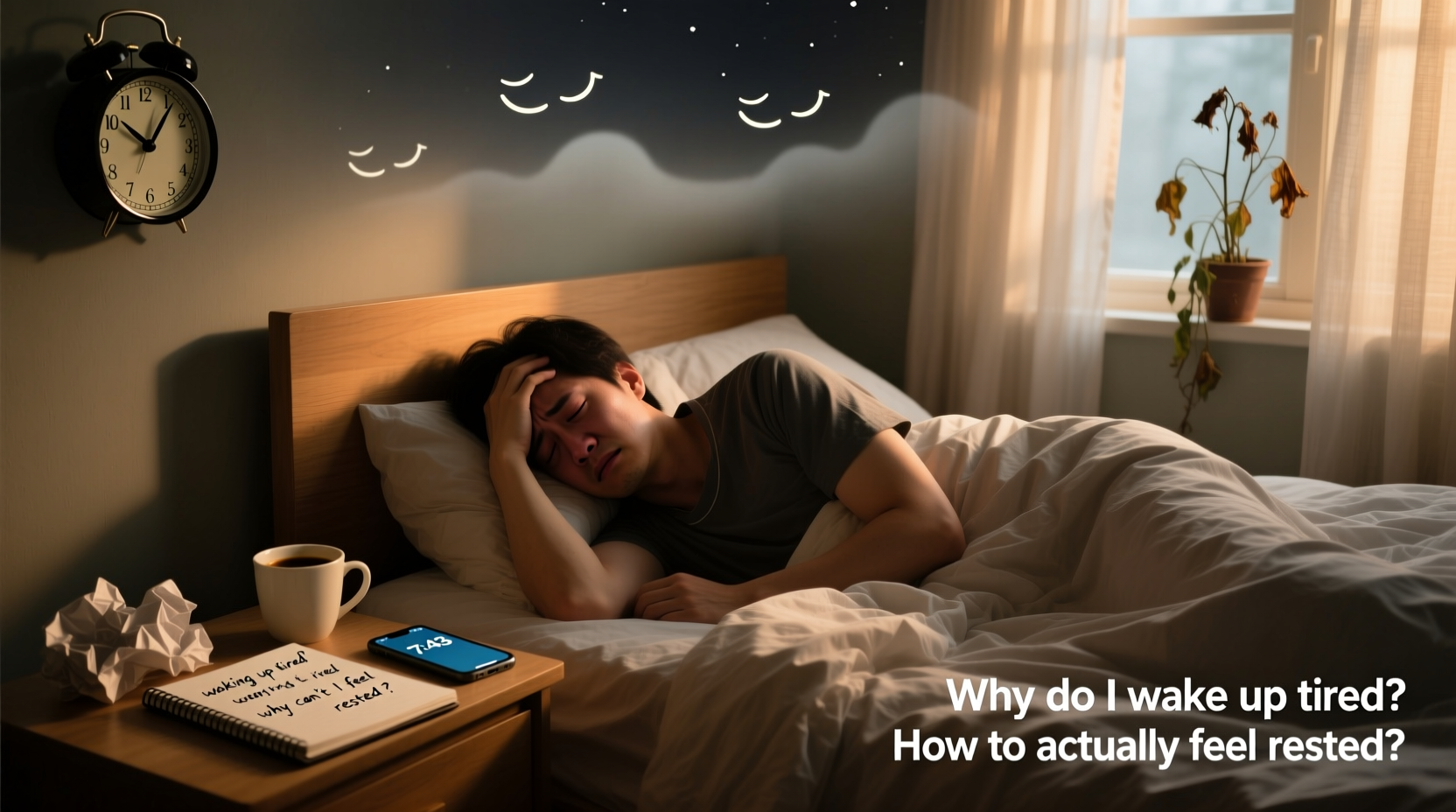
Sleep isn’t just about duration; it’s about structure. A full night’s rest consists of multiple cycles through four stages of sleep: light sleep (N1 and N2), deep sleep (N3), and REM (rapid eye movement) sleep. Each cycle lasts about 90 minutes, and your body needs several complete cycles to feel restored.
Deep sleep is crucial for physical recovery and immune function, while REM supports memory consolidation and emotional regulation. If your sleep is fragmented—by noise, stress, or medical issues—you may miss critical phases, especially deep and REM sleep, even if you’re technically “asleep” for eight hours.
“Sleep efficiency—how much time in bed is actually spent sleeping—is a better predictor of daytime alertness than total sleep time.” — Dr. Rafael Pelayo, Clinical Professor of Psychiatry, Stanford Sleep Medicine
Common Reasons You Wake Up Tired
- Sleep Apnea: A disorder where breathing repeatedly stops and starts during sleep, often causing micro-awakenings you don’t remember. Loud snoring and gasping are red flags.
- Poor Sleep Hygiene: Inconsistent bedtimes, screen exposure before bed, or consuming caffeine late in the day disrupt circadian rhythms.
- Stress and Anxiety: Elevated cortisol levels interfere with both falling asleep and staying in deep sleep.
- Diet and Hydration: Heavy meals before bed or dehydration can lead to restless sleep and early awakenings.
- Underlying Medical Conditions: Anemia, hypothyroidism, diabetes, and chronic fatigue syndrome all contribute to persistent fatigue.
- Medications: Antihistamines, antidepressants, and blood pressure drugs may affect sleep architecture.
Environmental and Behavioral Factors That Sabotage Rest
Your bedroom environment plays a surprisingly large role in sleep quality. Light, noise, temperature, and even mattress firmness influence how deeply you sleep.
| Factor | Optimal Condition | What to Avoid |
|---|---|---|
| Light Exposure | Complete darkness or dim red light | Blue light from phones, TVs, overhead lights |
| Room Temperature | 60–67°F (15–19°C) | Hot rooms or excessive bedding |
| Noise Levels | Consistent white noise or silence | Traffic, snoring, sudden sounds |
| Mattress & Pillow | Supportive, replaced every 7–10 years | Sagging surfaces or incorrect neck alignment |
Behavioral routines also matter. Using your bed for work or scrolling through social media trains your brain to associate the bed with alertness, not rest. This weakens the mental connection between your sleeping space and relaxation.
Step-by-Step Guide to Waking Up Refreshed
- Set a consistent sleep schedule: Go to bed and wake up at the same time every day—even on weekends. This stabilizes your circadian rhythm.
- Create a wind-down routine: Spend 30–60 minutes doing calming activities like reading, stretching, or journaling.
- Eliminate blue light: Turn off screens one hour before bed or use blue light filters.
- Optimize your bedroom: Use blackout curtains, a white noise machine, and keep the room cool.
- Avoid stimulants after noon: Caffeine has a half-life of 5–6 hours and can linger in your system.
- Get morning sunlight: Expose yourself to natural light within 30 minutes of waking to reset your internal clock.
- Assess your sleep apnea risk: If you snore heavily or your partner notices breathing pauses, consult a sleep specialist.
Real-Life Example: From Exhausted to Energized
Mark, a 42-year-old project manager, consistently slept 7.5 hours but woke up feeling drained. He attributed it to work stress until he started tracking his sleep with a wearable device. The data revealed he was only getting 45 minutes of deep sleep per night and experienced 18 breathing interruptions hourly—signs of moderate sleep apnea.
After a sleep study confirmed obstructive sleep apnea, Mark began using a CPAP machine. Within two weeks, his deep sleep increased to 90 minutes, and he reported waking up without an alarm for the first time in years. His afternoon energy crashes disappeared, and his focus improved significantly.
This case highlights how symptoms can be misleading. Fatigue isn’t always due to lack of sleep—it’s often poor sleep quality masked by seemingly adequate hours in bed.
Action Checklist: How to Feel Rested Starting Tonight
- ✅ Set a fixed wake-up time for the next 7 days
- ✅ Remove electronic devices from the bedroom
- ✅ Take a warm shower 90 minutes before bed
- ✅ Replace old pillows or mattresses showing wear
- ✅ Stop caffeine intake after 12 PM
- ✅ Write down worries before bed to clear your mind
- ✅ Open curtains immediately upon waking
Frequently Asked Questions
Why do I wake up tired even after 8 hours of sleep?
You may be experiencing sleep fragmentation, low sleep efficiency, or insufficient time in deep or REM sleep. Conditions like sleep apnea, stress, or an unsuitable sleep environment can prevent restorative rest even with adequate duration.
Can dehydration cause morning fatigue?
Yes. Even mild dehydration slows cognitive function and reduces blood volume, making your heart work harder. This can leave you feeling sluggish upon waking. Drink a glass of water before bed and another right after waking.
Is it better to wake up during light sleep?
Ideally, yes. Waking during light sleep (closer to the end of a 90-minute cycle) leads to less grogginess. Some smart alarms track movement to wake you in lighter stages, but maintaining a consistent schedule naturally aligns your wake time with optimal phases.
Conclusion: Reclaim Your Mornings
Waking up tired is not something you have to accept as normal. It’s a signal from your body that something in your sleep ecosystem needs attention. Whether it’s adjusting your environment, addressing undiagnosed conditions, or refining daily habits, small changes can yield dramatic improvements in how you feel each morning.
Start tonight. Pick one item from the checklist—perhaps banishing screens from the bedroom or setting a firm bedtime—and commit to it for seven days. Track how you feel. Energy, clarity, and emotional resilience are not just possible—they’re within reach when you treat sleep as the foundation of health it truly is.
💬 Have you discovered a habit that transformed your mornings? Share your experience in the comments and help others break free from chronic fatigue.








