
Motorcycle shoulder bags are essential companions for riders—offering quick access to essentials like phones, wallets, tools, and navigation devices. However, constant exposure to the elements takes a toll. Rain seeps into seams, UV rays fade colors and degrade materials, and road dust grinds into fibers, accelerating wear. Without proper protection, even high-quality bags can deteriorate within months. The good news is that with the right strategies, you can dramatically extend the life of your gear while maintaining its appearance and functionality.
Understanding the Threats: What Damages Your Bag?
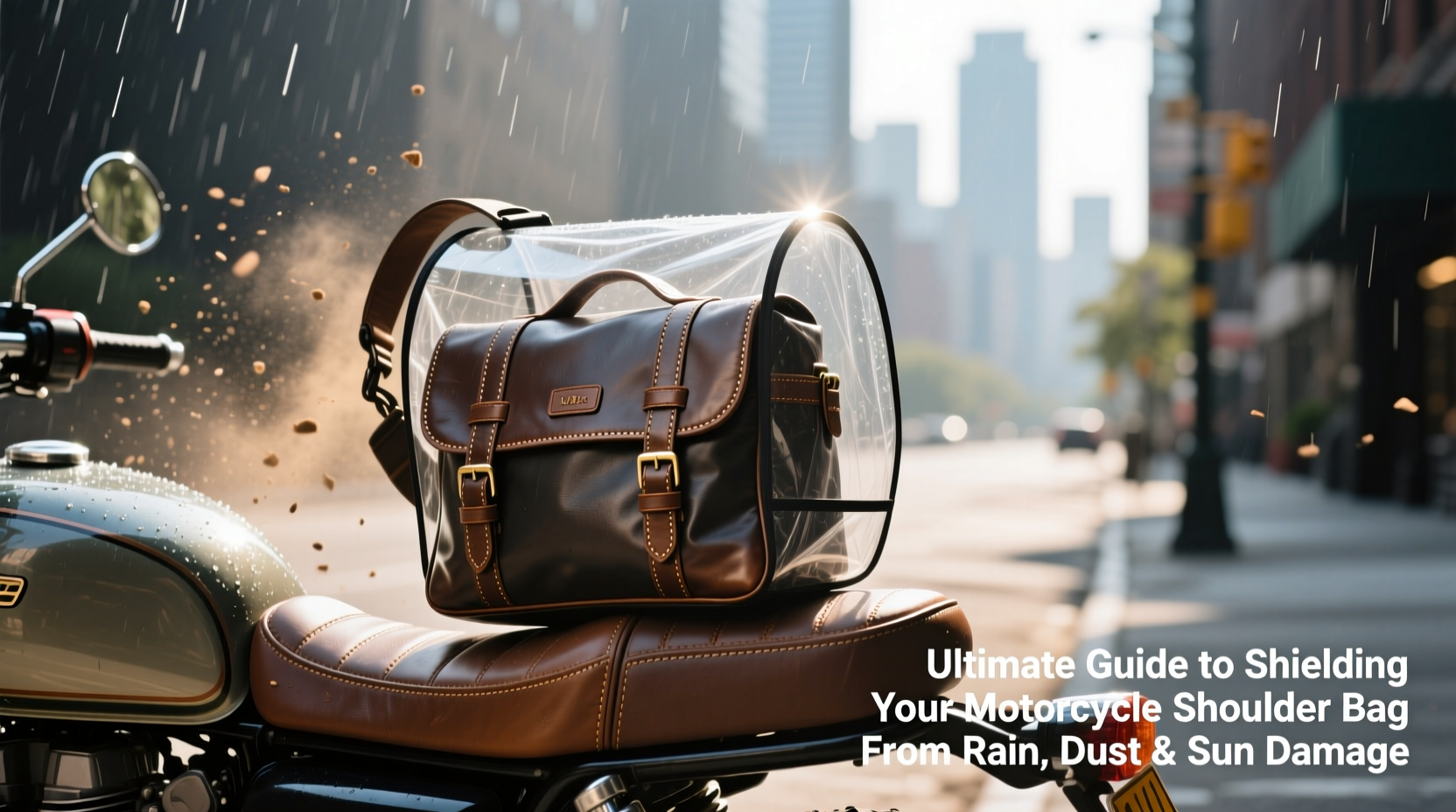
Riders often focus on durability when choosing a bag but overlook long-term environmental exposure. Three primary threats compromise both aesthetics and structural integrity:
- Rain and moisture: Prolonged dampness leads to mold, mildew, metal corrosion (zippers, buckles), and delamination in layered materials.
- Dust and abrasion: Fine particulates act like sandpaper, wearing down coatings and scratching surfaces. Over time, this dulls finishes and weakens fabric weaves.
- Sunlight (UV radiation): Ultraviolet light breaks down polymers in nylon, polyester, and synthetic leather. Colors fade, materials become brittle, and stitching weakens.
These factors compound each other. A wet bag left in the sun breeds bacteria and accelerates UV degradation. Dust trapped in damp fabric causes staining and abrasion. Recognizing these interactions is the first step toward effective defense.
Tip: Never store a damp bag in an enclosed space—air circulation is critical to prevent odor and microbial growth.Choosing the Right Materials: Defense Starts at Purchase
The best protection begins before you ride. Selecting a bag built with weather resistance in mind reduces maintenance and increases longevity. Not all “water-resistant” bags are equal. Look beyond marketing claims and examine construction details.
| Material | Pros | Cons | Weather Resistance Rating |
|---|---|---|---|
| Cordura® Nylon | High abrasion resistance, lightweight, durable | Requires DWR treatment, fades over time | ★★★★☆ |
| Polyester with PU Coating | Inherently water-resistant, affordable | Less breathable, degrades under prolonged UV | ★★★☆☆ |
| Waxed Canvas | Natural water repellency, develops patina | Heavy, needs re-waxing, not fully waterproof | ★★★☆☆ |
| Genuine Leather | Classic look, ages well with care | Absorbs water, vulnerable to UV and salt | ★☆☆☆☆ |
| TPU-Laminated Fabric | Fully waterproof, UV-stable, easy to clean | Higher cost, less flexible feel | ★★★★★ |
For riders in rainy or sunny climates, TPU-laminated fabrics offer the best defense. They resist water penetration, block UV rays, and require minimal upkeep. Cordura with a durable water repellent (DWR) finish is a strong second choice, especially when paired with a rain cover.
“Most bag failures I see aren’t due to poor design—they’re from untreated environmental exposure. A $300 bag maintained properly will outlast a $600 one left unprotected.” — Marcus Tran, Motorcycle Gear Technician & Product Tester
Step-by-Step Protection Protocol
Even the most resilient bag benefits from proactive care. Follow this six-step routine to shield your investment:
- Pre-Treat New Bags: Apply a fabric protector spray designed for technical textiles. Products with fluoropolymer resins enhance water beading and reduce dust adhesion.
- Use a Rain Cover: Invest in a fitted, reflective rain cover. Deploy it during drizzle or before parking in wet conditions. Remove it once dry to avoid trapping moisture.
- Wipe Down After Every Ride: Use a microfiber cloth to remove dust, salt, and grime. Focus on zippers, straps, and contact points where abrasion occurs.
- Deep Clean Monthly: Mix mild soap (like Nikwax Tech Wash) with lukewarm water. Scrub gently with a soft brush, rinse thoroughly, and air-dry away from direct heat.
- Reapply Water Repellent Quarterly: Re-treat DWR coatings every 3–4 months or after deep cleaning. Heat activation (with a hairdryer) helps bond the new layer.
- Store Smart: Keep the bag in a breathable cotton storage sack, in a cool, dark closet. Avoid plastic bins, which trap humidity.
Real-World Example: Alex’s 18-Month Commuter Bag Journey
Alex Rivera, a daily commuter in Seattle, uses his Cordura shoulder bag year-round. In the first winter, he skipped rain covers and stored the bag damp in his garage. By spring, mildew spots appeared, and the lining began peeling. After consulting a gear specialist, he changed his habits: he started using a custom-fit rain cover, wiped the bag weekly, and applied a DWR spray every three months. He also moved storage indoors.
Now 18 months in, the bag looks nearly new. “I spend about five minutes a week on maintenance,” Alex says. “But I’ve saved over $200 by not replacing it early. It’s worth every second.”
Do’s and Don’ts: Quick Reference Table
| Action | Do | Don't |
|---|---|---|
| Cleaning | Use pH-neutral cleaners and soft cloths | Use bleach, ammonia, or abrasive pads |
| Drying | Air-dry at room temperature, away from sunlight | Use radiators, heaters, or direct sun |
| Storage | Use a breathable cotton bag in a dark, dry place | Leave in a motorcycle seat compartment or plastic bin |
| UV Protection | Apply UV-resistant sprays; park in shade | Leave bag on bike for hours in full sun |
| Waterproofing | Reapply DWR treatments regularly | Assume ‘water-resistant’ means ‘maintenance-free’ |
Frequently Asked Questions
Can I make a non-waterproof bag fully waterproof?
No modification makes a bag 100% waterproof without compromising breathability and weight. However, you can significantly improve resistance by applying a silicone- or fluorocarbon-based DWR spray and using a rain cover. For critical items, place them in sealed dry bags inside the main compartment.
How do I know when to reapply a water repellent?
Perform the “bead test”: sprinkle a few drops of water on the surface. If they soak in instead of beading up, it’s time to re-treat. This usually happens every 3–6 months depending on usage and climate.
Is leather ever suitable for motorcycle bags?
Yes, but only with strict maintenance. Full-grain leather treated with oil-based conditioners and stored properly can last years. However, it requires monthly conditioning, immediate drying if wet, and UV avoidance. For riders in harsh climates, synthetic alternatives are more practical.
Final Thoughts: Longevity Through Consistency
Your motorcycle shoulder bag endures conditions few accessories face. Treating it as disposable leads to frequent replacements and unnecessary expense. But with informed material choices and consistent care, you can keep it functional and sharp-looking for years. The key isn’t perfection—it’s regular, simple actions: wiping, covering, storing, and re-treating.
Protection isn’t just about surviving the elements—it’s about respecting the gear that supports your ride. A well-maintained bag reflects pride in your craft as a rider.
💬 Ready to protect your gear like a pro? Start tonight: inspect your bag, wipe it down, and plan your next DWR treatment. Share your maintenance routine in the comments and help build a smarter riding community.








