
Vintage fashion tracksuits have surged in popularity, blending retro aesthetics with modern comfort. From 80s Adidas warm-ups to 90s Nike windbreakers, these pieces offer timeless style and cultural nostalgia. But as demand rises, so do prices—especially on curated resale platforms. The good news? You don’t need a designer budget to build an authentic vintage tracksuit collection. With the right approach, patience, and insider knowledge, you can score high-quality, stylish sets for under $50. This guide breaks down practical, proven methods to help you source affordable vintage tracksuits while avoiding common pitfalls.
Understand What Makes a Tracksuit \"Vintage\"
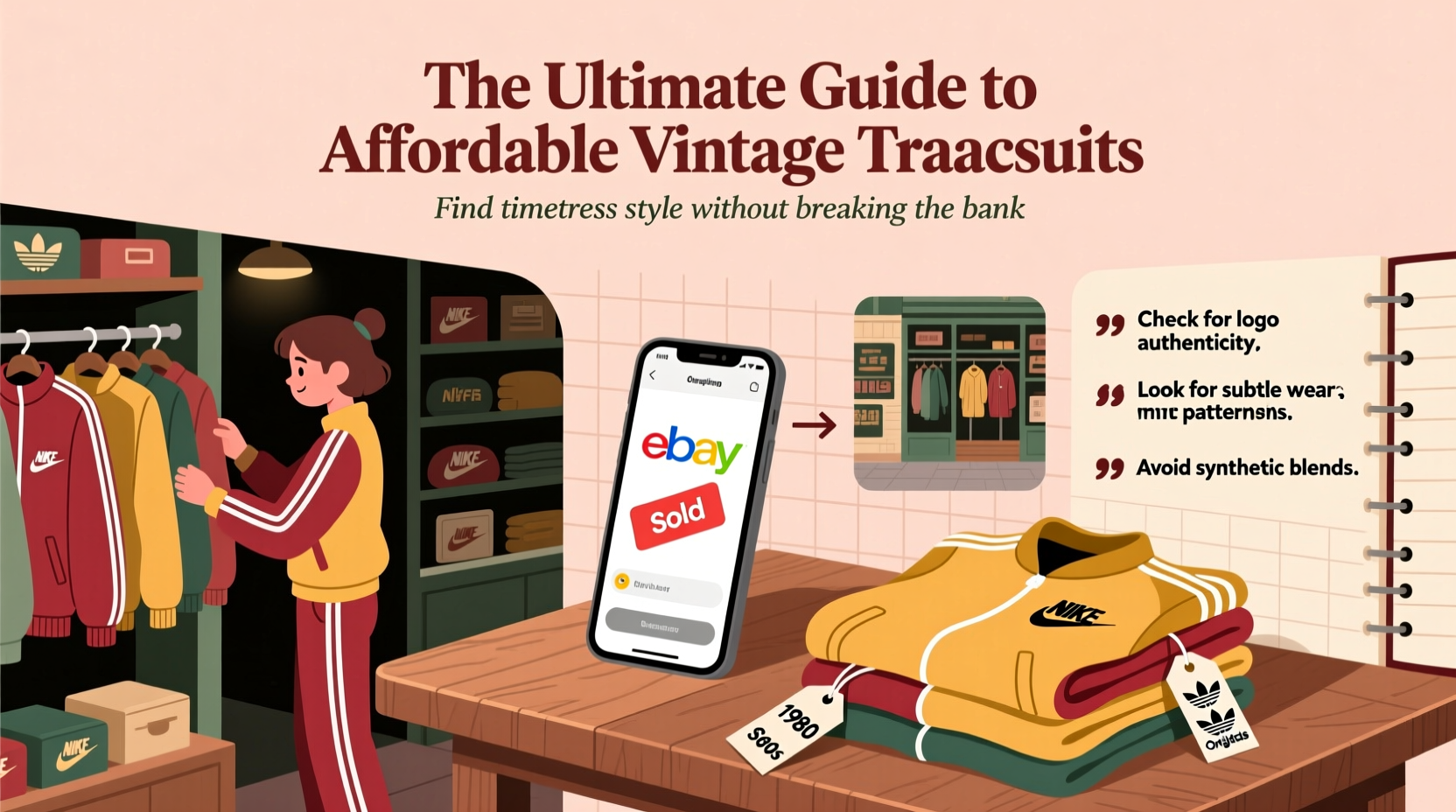
Before diving into where and how to shop, clarify what qualifies as vintage. Generally, clothing from 20 to 100 years ago is considered vintage; anything older is antique. For tracksuits, that typically means styles from the late 1970s through the early 2000s. These decades saw major innovation in athletic wear, with brands like Fila, Puma, Sergio Tacchini, and Reebok producing bold, logo-heavy designs perfect for streetwear.
Authentic vintage tracksuits often feature telltale signs: tag styles (e.g., nylon jock tags), fabric composition (heavy cotton blends, ribbed cuffs), and stitching techniques no longer used today. Familiarize yourself with brand-specific details—like the placement of Adidas’ trefoil or the font used on Champion’s “C” logo—to avoid reproductions or misleading listings.
Tip: Search eBay using specific date ranges (e.g., “Adidas tracksuit 1985–1995”) to filter out modern reissues.Where to Find Affordable Vintage Tracksuits
The key to affordability lies in knowing where to look—and when. Not all resale markets are created equal. Some platforms inflate prices due to algorithmic trends or influencer hype. Targeting less competitive sources gives you a significant edge.
Thrift Stores and Charity Shops
Local thrift stores remain one of the most cost-effective places to find vintage sportswear. Chain stores like Goodwill or Salvation Army, especially in affluent neighborhoods, often receive donations containing lightly worn athletic gear. Visit mid-week when new stock arrives, and check clearance racks religiously.
Estate Sales and Garage Sales
These settings frequently yield overlooked gems. Older generations owned tracksuits during their peak popularity but rarely recognize their current value. A complete 1990s Starter set might sell for $15 at a garage sale if the seller doesn’t know its worth.
Online Marketplaces
eBay and Depop are powerful tools when used strategically. Use precise search filters: include keywords like “vintage,” “original,” “deadstock,” and exclude terms like “reproduction” or “new with tags.” Set up saved searches with email alerts to catch new listings instantly.
Flea Markets and Vintage Fairs
Bargaining is expected here. Vendors may mark up items expecting quick flips, but many will negotiate—especially toward the end of the day. Bring cash and be polite; a friendly demeanor goes a long way.
“Most people overlook tracksuits because they assume they’re just gym clothes. That bias is exactly what makes them such undervalued finds.” — Lena Patel, Vintage Apparel Curator
Smart Sourcing Checklist
- ✅ Research brand logos and era-specific design cues
- ✅ Set a strict budget per item (e.g., $40 max)
- ✅ Inspect seams, zippers, and stains before purchasing
- ✅ Measure flat dimensions (chest, length) to ensure fit
- ✅ Prioritize completeness—matching jacket and pants increase value
- ✅ Wash or steam gently upon arrival to refresh fabric
Step-by-Step Guide to Snagging Deals Online
- Week 1: Identify your preferred brands and eras. Compile reference images of authentic labels and cuts.
- Week 2: Create saved searches on eBay, Depop, and Etsy with exact keywords and price caps.
- Week 3: Monitor local Facebook Marketplace daily. Filter by “sportswear” or “joggers” and sort by lowest price.
- Week 4: Bid strategically on eBay auctions ending mid-week (Tuesday–Thursday), when competition is lower.
- Ongoing: Follow small vintage sellers on Instagram who specialize in sportswear—they often post exclusives before listing online.
Price Comparison: Where You’ll Pay More (and Less)
| Source | Avg. Price Range | Pros | Cons |
|---|---|---|---|
| High-end Resale Sites (Grailed, Vestiaire Collective) | $120–$300+ | Curation, authentication, rare finds | Overpriced due to markup culture |
| eBay (Buy It Now) | $60–$150 | Global inventory, buyer protection | Inflated pricing on trending items |
| eBay Auctions | $25–$70 | Potential bargains, bidding control | Requires time and monitoring |
| Local Thrift Stores | $10–$40 | Immediate ownership, no shipping | Inconsistent stock, requires physical visits |
| Garage Sales | $5–$25 | Deep discounts, negotiation possible | Geographic limitation, hit-or-miss selection |
Real Example: How Sarah Found a 1992 Nike Track Suit for $18
Sarah, a 28-year-old graphic designer in Portland, wanted a vintage Nike set for her spring wardrobe. Instead of paying $200 on Grailed, she spent two weeks researching authentic 90s Nike tags and fabric weights. She visited three thrift stores weekly and set up eBay alerts for “Nike vintage track suit 1990s.” On a Wednesday morning, she spotted a faded navy-blue set at a local Goodwill—dusty and tucked behind workout gear. The label confirmed it was from 1992, with original mesh lining and embroidered swoosh. She bought it for $18, washed it in cold water with color-safe detergent, and wore it to a rooftop party that weekend. Total investment: less than $25. Her secret? Consistency and knowing what to look for.
Tip: Always wash vintage sportswear before wearing—old fabrics can harbor dust, mold, or lingering odors even if they look clean.Avoid These Common Mistakes
- Ignoring sizing inconsistencies: Vintage sizes run smaller. A modern medium may fit like a vintage large. Always check measurements.
- Overlooking damage: Small stains or loose stitching can worsen over time. Only buy damaged pieces if you plan to repair or upcycle.
- Chasing hype: Just because a brand is trending (e.g., Fila in 2023) doesn’t mean every piece is valuable. Focus on condition and authenticity.
- Skipping authentication: Many sellers mislabel items. Cross-check labels, fonts, and care tags against verified databases like Vintage Sewing Guild or BrandItAll.
Frequently Asked Questions
Are vintage tracksuits durable enough to wear regularly?
Yes, provided they’re cared for properly. Most were made with heavy-duty cotton-polyester blends designed for athletic use. Avoid machine drying, which shrinks fabric and weakens elastic. Hand wash or use a gentle cycle, then air dry.
How can I tell if a vintage tracksuit is fake?
Check the label construction—authentic vintage tags are often stitched directly into side seams with chain-stitching. Look for correct logo placement, period-accurate fonts, and fabric feel. Modern reproductions often use lighter materials and printed logos instead of embroidery.
Is it worth buying incomplete sets (jacket only or pants only)?
Only if you're confident you can match the missing piece later. Some colorways and models are extremely rare. If the standalone piece is under $20 and in great condition, it could be a smart buy for future pairing.
Final Thoughts: Build Your Collection Without Breaking the Bank
Finding affordable vintage fashion tracksuits isn't about luck—it's about strategy. By focusing on overlooked sources, mastering brand identification, and shopping with discipline, you can assemble a standout collection for a fraction of retail resale prices. The most valuable pieces aren’t always the most expensive; they’re the ones you discover through persistence and knowledge. Start small, stay consistent, and let your personal style guide your finds.
💬 Found a killer vintage tracksuit deal? Share your story in the comments and inspire others to hunt smarter!








