
Navigating cities, towns, or even rural areas doesn’t have to be expensive or complicated. Whether you're a daily commuter, a budget traveler, or someone exploring your own city like a tourist, mobility is a cornerstone of modern life. The key isn’t just getting from point A to B—it’s doing so efficiently, sustainably, and affordably. With rising fuel costs, crowded roads, and growing environmental concerns, rethinking how you move can save time, money, and stress. This guide breaks down proven, accessible methods for smart travel across any environment.
Master Public Transportation Systems
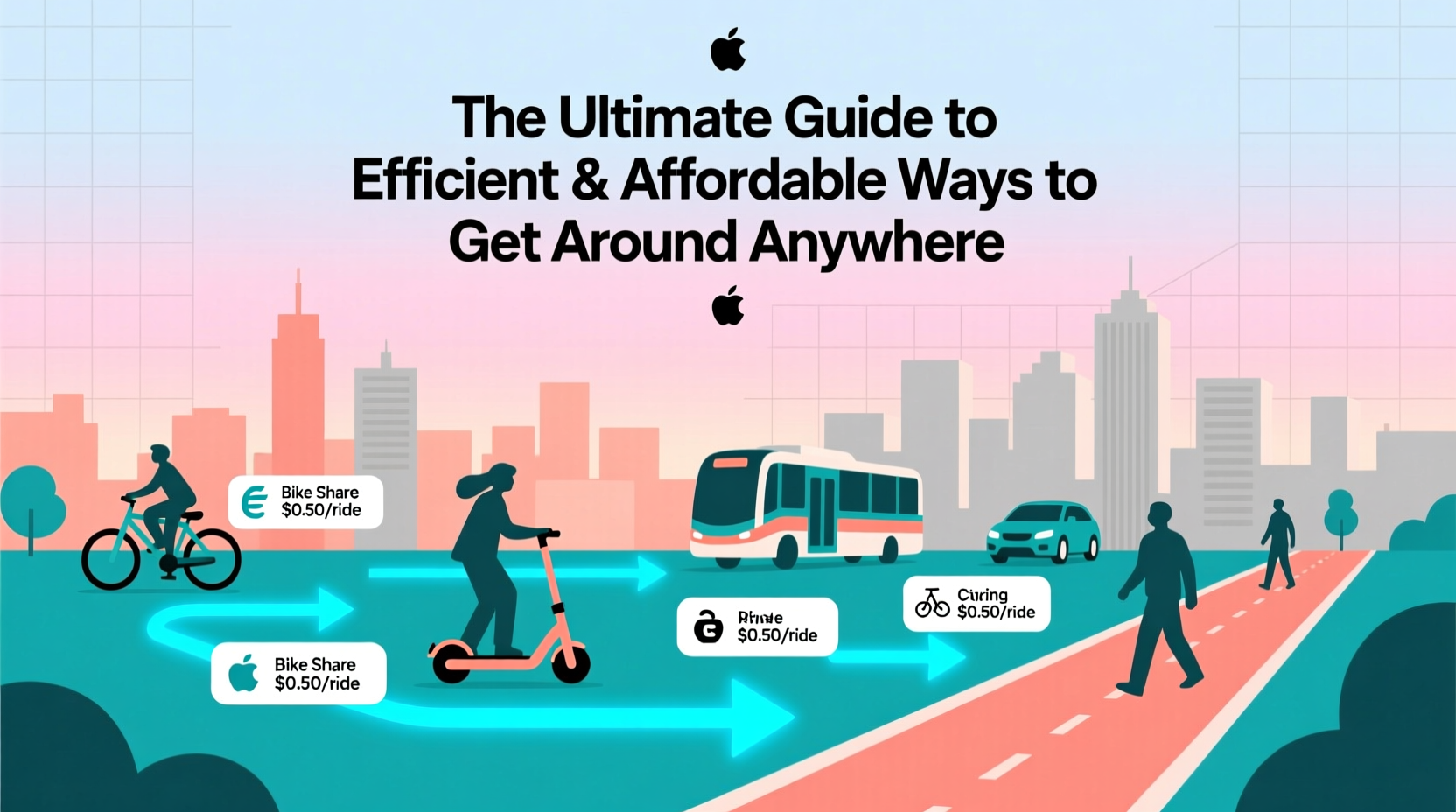
Public transit remains one of the most cost-effective and eco-friendly ways to travel. Buses, subways, trams, and commuter rails serve millions daily, often at a fraction of the cost of driving. The trick lies in understanding how to use these systems strategically.
In major cities like Tokyo, Berlin, or Singapore, transit networks are dense, reliable, and integrated. Even mid-sized cities increasingly offer real-time tracking via apps such as Citymapper or Google Transit. These tools provide route optimization, fare estimates, and alerts for delays—turning what once felt chaotic into a seamless experience.
Tip: Purchase weekly or monthly transit passes if you commute regularly—they often pay for themselves after just a few uses.For tourists or infrequent riders, consider multi-day travel cards. In London, the Oyster card caps daily spending, ensuring you never overpay. In New York, the MetroCard offers free transfers between buses and subways. Always research local options before arrival; many cities offer discounted visitor passes.
Leverage Active Mobility: Walking and Cycling
Sometimes the best way to get around is also the simplest. Walking requires no cost, improves health, and allows deeper engagement with your surroundings. For distances under two miles, it’s often faster than waiting for transit or circling for parking.
Cycling extends that range significantly. A standard bike can cover 5–10 miles comfortably, making it ideal for urban commutes and suburban errands. Many cities now support cycling through dedicated lanes, traffic-calming measures, and bike-sharing programs.
“Cycling isn’t just transportation—it’s a tool for reclaiming public space and reducing congestion.” — Dr. Lena Torres, Urban Mobility Researcher, Copenhagen Institute of Future Cities
Bike-sharing services like Lime, Citi Bike, or Nextbike offer short-term rentals via smartphone apps. Prices typically start at $1–$3 per ride, with unlimited 30-minute trips available through daily or monthly memberships. E-bikes, while slightly more expensive, make hills and longer distances manageable without breaking a sweat.
Active Transport Checklist
- Wear a helmet and use lights at night
- Check local bike laws and lane rules
- Use a lock rated at least Sold Secure Gold
- Download a navigation app with bike-specific routing (e.g., Komoot)
- Carry a small repair kit: tire levers, patch kit, mini pump
Optimize Ride-Sharing and Carpooling
Ridesharing platforms like Uber and Lyft are convenient but can become costly over time. However, their pooled options—Uber Pool, Lyft Shared—can cut fares by 30–50% by matching you with others heading in the same direction. While wait times may increase slightly, the savings add up quickly for regular users.
For longer distances or intercity travel, organized carpooling is even more effective. Websites like BlaBlaCar connect drivers with empty seats to passengers going the same way. Common in Europe and Latin America, it's a trusted model for cross-country trips at half the price of a train or bus ticket.
Tip: Schedule shared rides during off-peak hours to reduce wait times and increase match availability.If you own a car, consider starting a workplace or neighborhood carpool group. Sharing rides just twice a week can reduce fuel expenses, wear on your vehicle, and parking fees. Some employers even offer incentives for carpoolers, including preferred parking or subsidies.
Compare Mobility Options: Cost & Efficiency Table
| Mobility Option | Avg. Cost (per mile) | Best For | Limitations |
|---|---|---|---|
| Walking | $0.00 | Short trips, fitness, accessibility | Distance and weather dependent |
| Cycling | $0.10 (maintenance) | Urban/suburban commutes up to 10 miles | Safety concerns in high-traffic areas |
| Public Transit | $0.50–$1.50 | Daily commuting, city travel | Fixed routes and schedules |
| Ride-Pooling (Shared Rides) | $1.00–$2.00 | Flexible trips, late-night travel | Availability varies by location |
| Rental Scooters/Bikes | $0.30–$0.50 + unlock fee | Last-mile connections, quick errands | Geofenced zones, safety risks |
| Driving (own car) | $0.60–$1.00 (fuel, maintenance, depreciation) | Rural areas, family transport | Parking, congestion, emissions |
Real-World Example: Getting Around Barcelona Like a Local
Sophie, a freelance designer visiting Barcelona for two weeks, wanted to explore without overspending. She skipped rental cars and taxis entirely. Instead, she bought a T-Casual card—a 10-ride pass valid across metro, bus, tram, and regional trains. At €11.35, each trip cost less than €1.20.
For shorter jaunts, she used her hotel’s complimentary bikes. On weekends, she joined a guided e-bike tour that doubled as sightseeing and transportation. When heading to the beach at Barceloneta, she walked from her apartment in El Born—it took 25 minutes, but she discovered hidden plazas and cafes along the way.
By combining transit, walking, and occasional bike rentals, Sophie spent under €30 on transportation for the entire trip—while experiencing the city more authentically than if she’d relied on taxis.
Step-by-Step: Building Your Personal Mobility Plan
- Assess your typical trips: Map out where you go weekly—work, groceries, gym, social events.
- Research local options: Check transit routes, bike lanes, scooter zones, and carpool networks in your area.
- Calculate current costs: Track how much you spend monthly on gas, parking, ride-hailing, or vehicle maintenance.
- Test alternatives: Try biking to work one day, using transit for errands, or sharing a ride with a colleague.
- Optimize and commit: Identify the most reliable, affordable mix. Set up recurring passes or calendar reminders to reinforce habits.
This approach works whether you’re in Portland or Prague. The goal isn’t to eliminate cars entirely but to choose the right tool for each journey.
Frequently Asked Questions
Is public transit really cheaper than driving?
Yes, in most urban and suburban areas. AAA estimates the average annual cost of owning and operating a car exceeds $10,000. Even frequent transit users rarely spend over $1,500 per year. Factor in parking, insurance, and depreciation, and the gap widens significantly.
Are bike-sharing programs safe?
They can be, with precautions. Always wear a helmet (bring your own if not provided), follow traffic rules, and avoid high-speed zones. Most systems operate in designated low-traffic corridors. E-scooter and bike injuries are often due to rider error or poor road conditions—choose routes wisely.
What if I live in a place with no public transit?
In rural or underserved areas, options are limited but evolving. Look into community shuttles, volunteer driver programs, or regional vanpools. Car ownership may still be necessary, but you can reduce usage by batching errands, telecommuting, or coordinating with neighbors for shared trips.
Final Thoughts: Move Smarter, Not Harder
Getting around doesn’t have to mean traffic jams, high costs, or environmental guilt. By embracing a multimodal mindset—using the best option for each trip—you gain flexibility, save money, and reduce your footprint. The future of mobility isn’t about one solution; it’s about having many, used wisely.
💬 Ready to rethink how you move? Start by replacing just one car trip this week with walking, biking, or transit. Share your experience or favorite tip in the comments—your insight could inspire someone else to make the shift.








