
Carrying a soft bear doll on your keychain has become more than just a quirky fashion statement—it's a way to express personality, bring comfort, and even spark conversations. Whether it’s a nostalgic keepsake, a gift from someone special, or a cute accessory you picked up while traveling, attaching a plush bear to your keys makes daily routines a little more joyful. But without proper attachment, the doll can easily tear, lose limbs, or worse—get lost. This guide walks you through every practical consideration to ensure your soft bear stays secure, intact, and ready for daily adventures.
Why Secure Attachment Matters
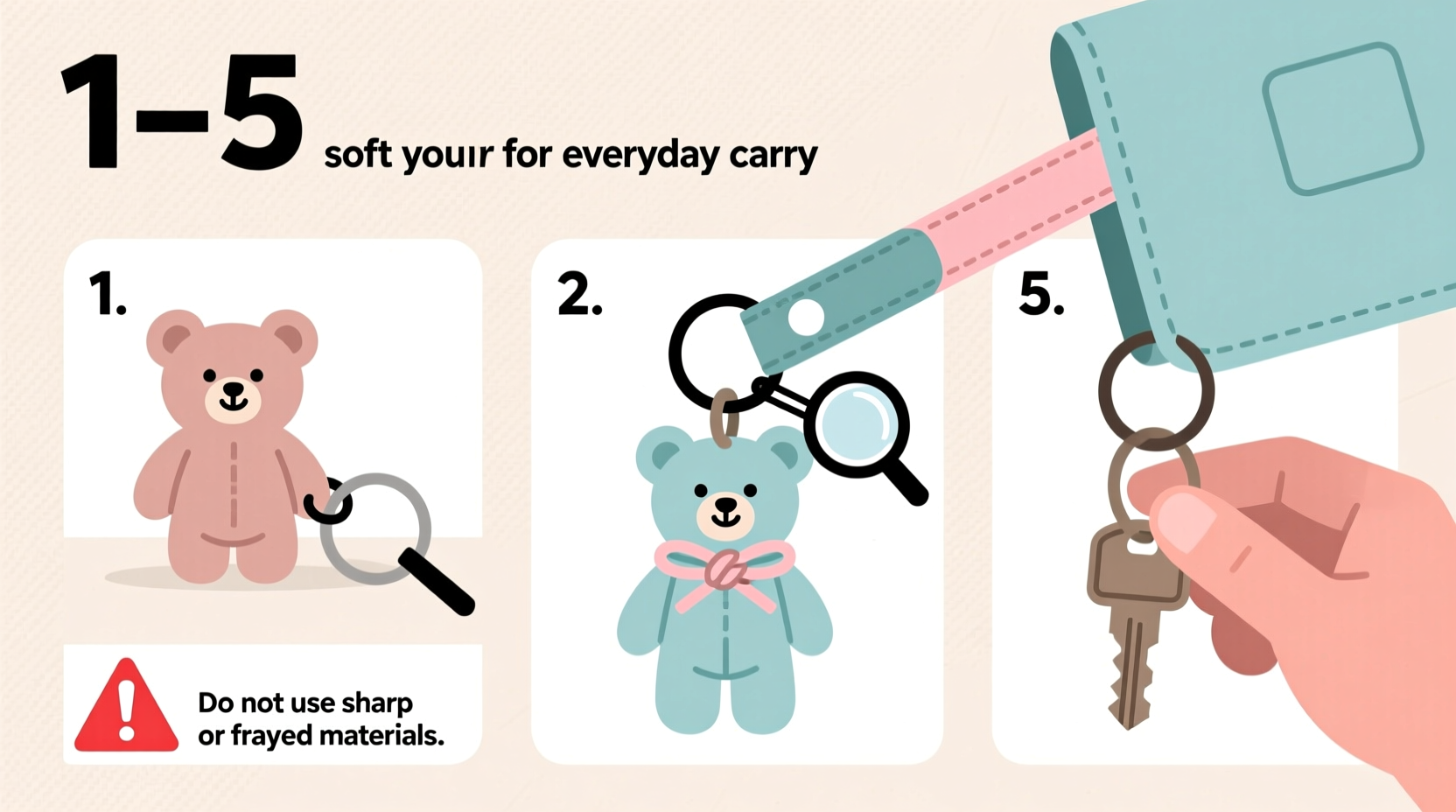
A keychain isn’t a gentle environment. Keys jostle in pockets, bags, and during commutes. A loosely attached plush toy will face constant friction, pulling, and impact. Over time, weak stitching, thin fabric, or flimsy loops can give way. The result? A sad, one-armed bear at the bottom of your backpack—or worse, left behind on public transit.
Proper attachment doesn’t just preserve the doll’s appearance; it prevents safety hazards. Loose threads or stuffing escaping from a torn seam can be a choking risk for children, and small metal connectors can detach and become lost or swallowed. A securely fastened bear ensures longevity, safety, and peace of mind.
“Plush accessories on keychains are increasingly popular, but their durability depends entirely on how they’re mounted. Reinforcement is non-negotiable.” — Lena Park, Product Safety Consultant & Lifestyle Accessory Designer
Selecting the Right Bear and Hardware
Not all soft bears are created equal when it comes to keychain use. Some are built with delicate embroidery and thin seams unsuitable for daily wear. Choosing wisely from the start reduces future damage.
| Feature | Ideal for Keychains | Avoid If Possible |
|---|---|---|
| Material | Dense polyester or canvas fabric | Sheer, stretchy, or loosely woven textiles |
| Seams | Double-stitched, reinforced joints | Fine embroidery-only joins |
| Size | 3–5 inches tall | Larger than 6 inches (too bulky) |
| Attachment Point | Strong fabric loop or sewn-in ring | Thread-only loop or no loop at all |
| Filling | Low-shed synthetic fiberfill | Loose stuffing that clumps or leaks |
If your bear lacks a sturdy loop, don’t worry—you can add one. Use a small metal key ring (12–15mm) threaded through the top seam near the neck, then reinforce the area with hand-stitching using nylon thread. Avoid cotton thread, which degrades faster under stress.
Tip: Test the bear’s durability by gently tugging the limbs and seams. If any part feels loose or gives too much, reinforce it before attaching to keys.Step-by-Step: How to Attach Your Soft Bear Safely
The goal is to create a connection that absorbs strain without transferring it directly to the doll’s body. Follow these steps carefully:
- Evaluate the bear’s existing loop. If it’s made of fabric only, consider reinforcing it with a small metal split ring. Slide the ring through the loop and close it securely with pliers.
- Choose a durable connector. Use a lobster clasp, carabiner, or heavy-duty key ring rated for at least 5kg (11 lbs). These handle lateral and vertical stress better than standard key rings.
- Link the bear to the connector. Open the split ring or clasp and thread it through the bear’s reinforced loop. Close firmly. Never rely on knots in fabric—they slip and weaken over time.
- Attach the connector to your key ring. Most keychains use a simple O-ring. Open it slightly with pliers, slide on the connector, then close completely to prevent accidental detachment.
- Test the setup. Gently shake the keys and observe how the bear moves. It should swing freely but without excessive wobble or twisting that could strain seams.
- Inspect monthly. Check for fraying threads, bent connectors, or loosening hardware. Re-tighten or replace parts as needed.
This method distributes weight and movement across stronger components, sparing the plush toy from direct mechanical stress.
Real-World Example: Sarah’s Commuter Bear
Sarah, a university student in Portland, carried a small lavender bear gifted by her grandmother. After two weeks of daily subway rides, one arm came loose. She brought it to a local repair shop, where the technician explained that the original thread loop had worn through due to constant rubbing against her house key.
Following this guide, Sarah added a 14mm nickel-plated split ring through a newly double-stitched loop at the bear’s shoulder. She connected it via a mini carabiner to her key fob. Eight months later, the bear remains intact—even surviving a fall from her coat pocket onto pavement.
Her experience underscores a key truth: minor reinforcement dramatically extends lifespan.
Maintenance and Long-Term Care Tips
Even the best installation requires upkeep. Plush toys accumulate dust, oils from hands, and moisture, especially when carried daily. Here’s how to keep your bear looking fresh:
- Wipe the surface monthly with a damp microfiber cloth. Avoid soaking the fabric.
- Spot-clean stains with mild detergent diluted in water. Blot, don’t scrub.
- Let the bear air-dry fully before reattaching—never use heat.
- Rotate your keychain accessories every few weeks to reduce wear on any single item.
- Remove the bear before placing keys in washing machines or dishwashers (yes, people do this).
Frequently Asked Questions
Can I wash my soft bear while it’s attached to the keys?
No. Water exposure can corrode metal connectors and cause fabric to shrink or glue (used in seams) to weaken. Always detach the bear before any cleaning.
What if my bear doesn’t have a loop?
You can create one. Use strong nylon thread to sew a small fabric strap or reinforced eyelet at the top back of the bear’s head. Alternatively, use a plastic zip tie looped around the neck seam—but check monthly for brittleness.
Is it safe to carry a plush toy on keys around children?
Yes, provided all connections are secure and there are no small detachable parts like plastic eyes or beads. Supervise young children to prevent chewing or pulling.
Final Checklist Before You Carry
- ✅ Bear has a reinforced attachment point
- Either factory-made or upgraded with a metal ring.
- ✅ Durable connector used
- Lobster clasp, carabiner, or split ring—not a flimsy jump ring.
- ✅ Secure link to main key ring
- O-ring fully closed; no gaps where items could escape.
- ✅ No loose stuffing or weak seams
- Repair any flaws before daily use.
- ✅ Regular inspection scheduled
- Set a monthly reminder to check condition.
Conclusion: Carry Joy, Not Regret
A soft bear on your keychain is more than decoration—it’s a tiny companion through busy days. With thoughtful preparation and proper attachment, it can last years without losing its charm or compromising safety. The few extra minutes spent reinforcing the connection pay off in durability and emotional value. Whether it’s a reminder of home, a symbol of resilience, or simply something that makes you smile, your bear deserves to stay with you—securely and proudly.
💬 Have a story about your keychain plushie? Share how you attached yours or what it means to you. Let’s build a community of mindful, joyful carry!








