Finding the right harness for your dog isn’t just about convenience—it’s about safety, comfort, and long-term well-being. A poorly fitted harness can restrict movement, cause chafing, or even lead to injury during walks. No-choke harnesses, designed to distribute pressure across the chest rather than the neck, are an excellent choice for responsible pet owners. But their effectiveness hinges on one crucial factor: accurate measurement. This guide walks you through the exact steps to measure your dog correctly, ensuring a secure yet comfortable fit that supports healthy walking habits.
Why Proper Fit Matters in No-Choke Harnesses
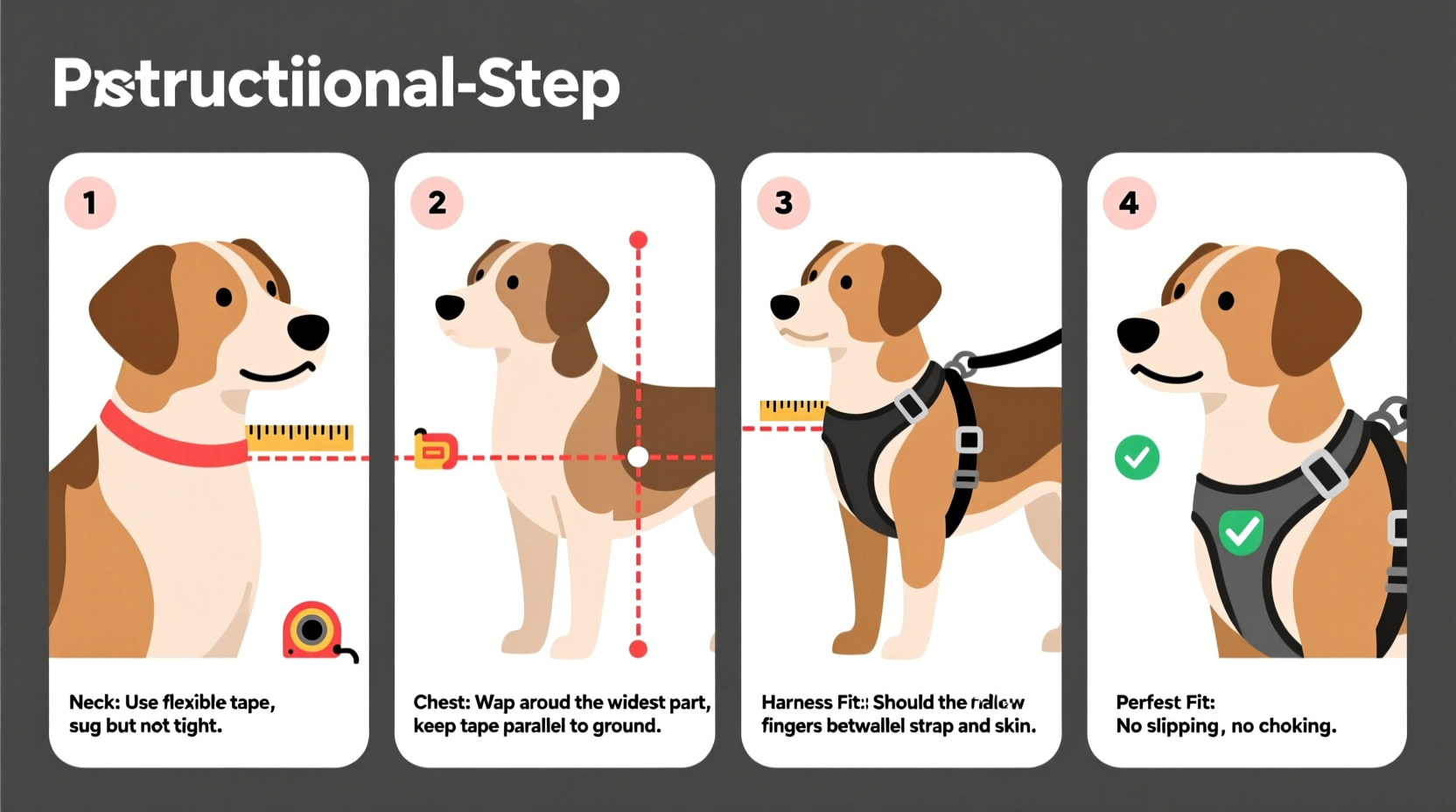
No-choke harnesses work by redirecting tension from the trachea to the sturdier parts of the torso. When properly fitted, they discourage pulling without compromising breathing or spinal alignment. However, if the harness is too tight, it can rub behind the front legs or constrict shoulder movement. If it's too loose, your dog may slip out—especially during sudden movements.
A 2022 study published in the *Journal of Veterinary Behavior* found that dogs wearing ill-fitting harnesses showed increased signs of discomfort, including altered gait patterns and resistance during leash walks. The researchers emphasized that precise measurements are critical, especially for breeds with deep chests or narrow builds like Greyhounds or Whippets.
“Accurate measuring isn’t optional—it’s preventive care. A well-fitted harness supports musculoskeletal health and strengthens the human-dog bond through stress-free walks.” — Dr. Lena Torres, DVM, Canine Rehabilitation Specialist
Essential Tools You’ll Need
Before beginning, gather the following tools:
- A soft fabric measuring tape (the kind used for sewing)
- A helper (to keep your dog calm and still)
- A notebook or phone to record measurements
- Treats (to reward cooperation)
Step-by-Step Measurement Process
To get reliable results, follow these five steps in order. Accuracy at each stage ensures the final fit will be both safe and comfortable.
- Measure the Neck Girth
Place the tape around the base of your dog’s neck, just behind the ears and below the Adam’s apple. It should sit where the collar normally rests. Pull the tape snug but not tight—allow space for two fingers to slide underneath comfortably. Record this number; it helps determine whether the harness will clear the shoulders properly. - Measure the Chest Girth (Most Important)
Wrap the tape around the widest part of the chest, directly behind the front legs. This is usually 2–3 inches behind the armpits. Make sure the dog is standing naturally, not leaning forward or sitting. Breathe in and out—take the measurement at peak inhalation to allow room for expansion. This dimension is the primary sizing guide for most no-choke harnesses. - Check the Length from Neck to Tail Base
Starting at the base of the neck (same point as step one), run the tape along the spine to where the tail begins. This measurement determines back panel length and helps avoid harnesses that ride up or dig into the hips. - Assess Shoulder Clearance
Have your dog stand straight. Observe the area between the neck loop and front leg openings. There should be no rubbing or pinching when the dog moves. While not a direct measurement, note any bulging muscle or narrow taper that could affect fit. - Double-Check While Fitted (If Possible)
If trying on a sample harness, ensure all adjustment straps are midway before putting it on. Confirm that you can insert two fingers under any strap, that leg loops don’t bind, and the leash attachment sits centered on the back or front clip lies flat over the sternum.
Common Sizing Mistakes to Avoid
Even careful owners make errors when measuring their pets. Here’s what to watch out for:
| Mistake | Why It’s Problematic | How to Prevent It |
|---|---|---|
| Measuring while dog is sitting | Skews chest and neck dimensions due to shifted posture | Always measure while standing on a flat surface |
| Using old collar size as reference | Collars and harnesses fit differently; chest girth is larger | Never assume collar size equals harness size |
| Ignoring breed-specific proportions | Broad-chested breeds need wider chest bands; slender ones need narrower cuts | Consult brand-specific charts tailored to body types |
| Tightening tape too much | Leads to undersized harness causing restriction | Use finger test: two fingers should fit beneath tape |
Real-World Example: Measuring a Rescue Border Collie
Samantha adopted a three-year-old Border Collie named Jasper who had developed leash anxiety. She suspected his previous harness was too tight. Using the method above, she discovered his chest girth was 28 inches—two sizes larger than the “medium” harness he’d been wearing. After switching to a properly measured no-choke model with adjustable chest straps, Jasper stopped tugging and began walking calmly beside her within a week. His vet later confirmed improved shoulder mobility during checkups.
This case illustrates how seemingly minor inaccuracies can have major behavioral and physical consequences—and how precision transforms daily routines.
Checklist: Pre-Measurement Preparation
- ✔ Choose a quiet time when your dog is relaxed
- ✔ Have treats ready to maintain focus
- ✔ Clear space so your dog can stand freely
- ✔ Use a non-stretch fabric tape measure
- ✔ Take each measurement twice for consistency
- ✔ Compare results with manufacturer’s size chart before purchasing
Frequently Asked Questions
How tight should a no-choke harness be?
A no-choke harness should be snug enough to stay in place but loose enough to allow full range of motion. You should be able to fit two fingers between any strap and your dog’s body. Straps shouldn’t press into the armpits or shift excessively during movement.
Can I use a human tape measure?
Yes, as long as it’s flexible and made of cloth or fiberglass—not metal. Rigid tools won’t contour to your dog’s shape and often result in incorrect readings. Mark the measurement clearly and read it at eye level to avoid parallax error.
My dog is between sizes—what should I do?
If your dog falls between two sizes, choose the larger one and adjust the straps down. It’s easier to tighten excess material than to stretch a too-small harness. For growing puppies, consult the brand’s growth allowance guidelines before upsizing.
Final Tips for Long-Term Comfort
Once you’ve selected the right harness, monitor your dog closely during the first few walks. Look for signs of rubbing, reluctance to move, or attempts to chew at straps. Wash the harness regularly according to care instructions to prevent skin irritation from accumulated dirt and sweat.
Tip: Re-measure your dog every six months, especially for young or senior pets whose bodies change over time.Conclusion: Measure Once, Walk Comfortably Forever
The difference between a frustrating walk and a joyful bonding experience often comes down to fit. By taking the time to accurately measure your dog for a no-choke harness, you’re investing in their physical comfort, emotional security, and overall quality of life. Whether you're shopping online or in-store, armed with precise numbers, you can make confident choices that support healthy posture and positive reinforcement training. Don’t guess—measure. Your dog will thank you with every happy step.
💬 Have a fitting success story or question? Share your experience below and help fellow pet parents find the perfect harness match!








