When crafting pizza at home or in a professional kitchen, one of the most consequential decisions isn’t about toppings—it’s about leavening. The choice between sourdough starter and instant yeast influences more than just rise; it shapes the very soul of the crust. While both agents make dough expand, their impact on flavor, aroma, and mouthfeel diverges significantly. For anyone serious about artisanal pizza, understanding this distinction is essential. The short answer: yes, the taste difference is not only noticeable but often profound.
The Science Behind Leavening: Fermentation Differences
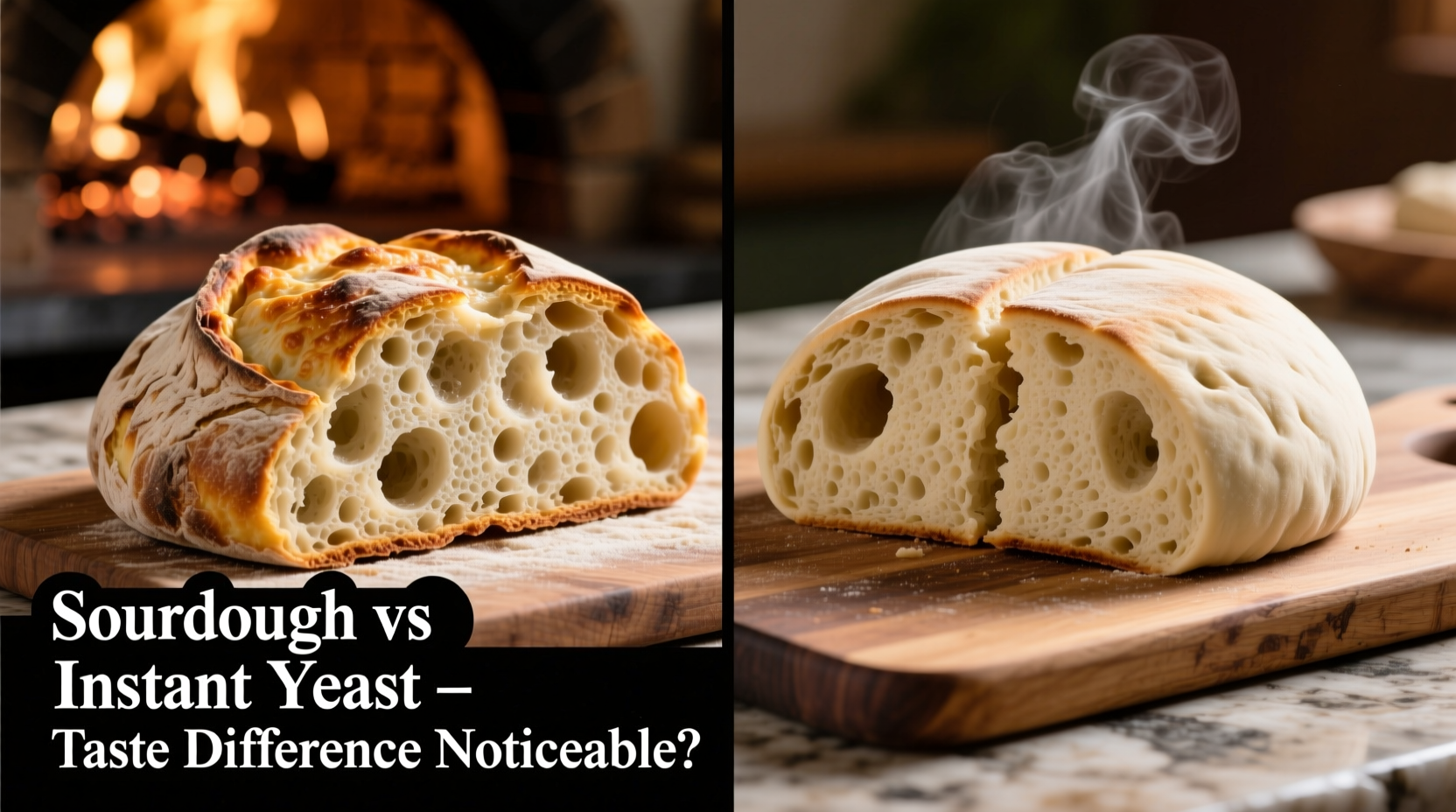
At its core, leavening relies on fermentation—yeast consuming sugars and producing carbon dioxide and alcohol. But the microbial actors involved differ greatly between sourdough starter and instant yeast.
Instant yeast (Saccharomyces cerevisiae) is a single-strain, commercially cultivated organism bred for speed and consistency. It works rapidly, generating gas efficiently with minimal byproducts beyond CO₂ and ethanol. This makes it ideal for quick-rise doughs where predictability matters most.
Sourdough starter, in contrast, is a complex ecosystem. It contains wild yeast strains—often including Saccharomyces exiguus—and a diverse population of lactic acid bacteria (LAB), primarily Lactobacillus species. These microbes produce lactic and acetic acids during fermentation, which contribute tanginess, depth, and preservation qualities to the dough.
This biological complexity translates directly into flavor. A study published in Cereal Chemistry found that sourdough fermentation increases free amino acids and volatile organic compounds—molecules responsible for savory, nutty, and buttery notes—that are largely absent in yeast-only doughs.
“Sourdough isn’t just about sourness. It’s about building layers of flavor through time and microbial collaboration.” — Dr. Karl De Smedt, microbiologist and sourdough expert at the Sourdough Library in Belgium
Flavor Profile Comparison: Tang, Depth, and Complexity
The most obvious difference lies in taste. Instant yeast produces a clean, neutral flavor profile—ideal for letting sauce and cheese shine. The crust may be airy and crisp, but rarely does it command attention on its own.
Sourdough, however, imparts a distinct character. Depending on the starter’s maturity, feeding schedule, and fermentation temperature, the resulting crust can exhibit:
- A subtle tang reminiscent of yogurt or aged cheese
- Nutty or toasted grain undertones from extended starch breakdown
- Buttery richness due to natural diacetyl production by LAB
- A lingering finish that evolves as you chew
These nuances aren’t always aggressive. A well-balanced sourdough pizza might offer only a whisper of acidity, enhancing rather than overpowering other ingredients. Yet even mild sourdough crusts possess greater aromatic complexity than their instant yeast counterparts.
Tip: To reduce sourness without sacrificing depth, ferment your sourdough dough in the refrigerator for 24–48 hours instead of at room temperature. Cold slows acid production while still allowing enzymatic development.Texture and Crust Behavior: More Than Just Taste
While flavor dominates the conversation, texture plays an equally important role in the eating experience. The fermentation method affects gluten structure, moisture retention, and browning reactions—all critical for pizza quality.
Instant yeast doughs typically ferment for 1–3 hours. This rapid rise doesn’t allow sufficient time for protease enzymes to break down gluten networks fully. The result is often a chewier, slightly tougher crumb with less open structure.
Sourdough undergoes much longer fermentation—often 12 to 72 hours. During this time, enzymes gradually modify gluten, improving extensibility and digestibility. The acid environment also strengthens the dough’s ability to retain gas, leading to irregular, honeycombed air pockets when baked.
In practical terms, sourdough crusts tend to be:
- More tender and easier to tear by hand
- Better at holding up under wet toppings without becoming soggy
- Able to develop a crisp exterior while remaining moist inside
- More resistant to staling due to acid-preservative effects
Additionally, the lower pH of sourdough promotes Maillard browning at lower temperatures. This means a deeper golden color and richer roasted flavors even in home ovens that don’t reach pizzeria heat levels.
Side-by-Side Comparison Table: Key Differences
| Factor | Sourdough Starter | Instant Yeast |
|---|---|---|
| Fermentation Time | 12–72 hours | 1–3 hours |
| Flavor Profile | Complex, tangy, nutty, layered | Neutral, yeasty, simple |
| Crust Texture | Open crumb, crisp exterior, tender interior | Denser, uniform crumb, chewier bite |
| Digestibility | Improved due to pre-digestion of gluten and phytates | Standard; some report bloating |
| Shelf Life (Freshness) | Lasts 3–4 days before staling | Stales within 1–2 days |
| Skill & Planning Required | High (maintenance, timing, temperature control) | Low (mix, rise, bake) |
| Consistency | Variable (affected by environment, feedings) | Highly consistent batch-to-batch |
Real-World Example: Pizzeria Test Trial
In 2022, a small Neapolitan-style pizzeria in Portland, Oregon conducted a blind tasting experiment. They served identical tomato-and-mozzarella pizzas made with two doughs: one using commercial instant yeast, the other using a 100% hydration sourdough starter fed exclusively with organic bread flour and fermented for 48 hours at 5°C.
Over three nights, 87 customers participated in the test. Each received two slices—one labeled A, one B—and rated them on flavor, aroma, texture, and overall preference.
The results were telling:
- 68% identified the sourdough slice as having “more interesting flavor”
- 54% described the sourdough crust as “easier to digest” despite no prior expectation
- Only 12% preferred the instant yeast version, citing familiarity and milder taste
- One diner noted: “The sourdough one tastes like it has history. Like someone cared.”
The pizzeria permanently switched to sourdough after the trial, citing increased customer return rates and willingness to pay a $2 premium per pie.
Step-by-Step Guide: How to Conduct Your Own Taste Test
If you’re unsure whether the difference matters to your palate, try this controlled comparison at home.
- Prepare two identical dough recipes: Use the same flour, water, salt, and olive oil. Only change the leavener.
- Dough A (Instant Yeast): Mix 1g instant yeast per 500g flour. Knead, bulk ferment 2 hours at room temp, shape, proof 1 hour.
- Dough B (Sourdough): Use 20% active starter (by flour weight). Bulk ferment 4–6 hours at room temp, then cold ferment 24–48 hours in fridge.
- Shape and bake identically: Use the same oven temperature, baking surface (steel or stone), and topping amount.
- Blind test with a partner: Cover slices so labels aren’t visible. Rate each on flavor intensity, sourness, crust texture, and enjoyment.
- Repeat if possible: Try different flours (e.g., tipo 00 vs. all-purpose) or fermentation lengths to isolate variables.
- Use a preferment (like a poolish): Mix a portion of flour, water, and yeast 12 hours ahead. This builds complexity even with commercial yeast.
- Incorporate autolyse: Rest flour and water for 30–60 minutes before adding salt and yeast. Improves enzyme activity and gluten development.
- Raise hydration slightly: Higher water content (65–70%) allows better fermentation and more open crumb structure.
- Use mineral-rich water: Chlorinated tap water can inhibit microbes. Filtered or spring water improves fermentation vitality.
This method removes bias and helps pinpoint exactly what aspects stand out to you personally.
Tips for Maximizing Flavor Regardless of Leavener
Even if you stick with instant yeast, you can enhance flavor through technique:
Tip: Add 1–2% whole wheat or rye flour to your dough—even with instant yeast. These flours contain more enzymes and minerals that boost fermentation flavor.Frequently Asked Questions
Can I substitute sourdough starter for instant yeast in any pizza recipe?
Yes, but not 1:1. As a general rule, replace 1g instant yeast with 50g mature sourdough starter (assuming 100% hydration). You must also extend fermentation dramatically—usually 12+ hours. Adjust hydration accordingly, as starter adds both flour and water.
Does sourdough pizza taste too sour?
Not necessarily. Sourness depends on fermentation time, temperature, and starter health. A 24-hour cold ferment yields mild acidity. For even less tang, refresh your starter shortly before use and avoid over-proofing.
Is sourdough healthier than instant yeast dough?
Research suggests yes, to an extent. Sourdough’s lactic acid lowers glycemic index, improves mineral absorption (by reducing phytic acid), and partially breaks down gluten proteins, potentially aiding digestion. However, it’s not gluten-free and calorie content remains similar.
Final Verdict: Is the Difference Noticeable?
Unequivocally, yes. The taste difference between sourdough starter and instant yeast in pizza dough is not only detectable but often transformative. Sourdough delivers a multidimensional flavor profile—tangy, nutty, savory—that evolves with each bite. Its superior texture and longer freshness further elevate the experience.
That said, instant yeast has its place. It’s reliable, fast, and accessible. For weeknight dinners or beginner bakers, it’s a practical choice. But for those seeking depth, tradition, and culinary distinction, sourdough offers something irreplaceable: a living connection between time, craft, and flavor.
The true measure isn’t scientific data alone—it’s what happens when you take a bite. Does the crust invite contemplation? Does it complement, rather than merely carry, the toppings? If you seek a pizza that feels intentional, alive, and uniquely yours, sourdough is worth the extra effort.
💬 Have you tried both methods? Share your experience in the comments below—what surprised you most about the taste difference?








