In a world where fast fashion dominates, finding clothing that is both environmentally responsible and accessible can feel like an uphill battle. Yet, the demand for ethical style is rising—and so are the opportunities. With thoughtful choices and strategic habits, it's entirely possible to build a wardrobe that’s affordable, sustainable, and genuinely stylish. The key lies not in spending more, but in spending smarter.
Why Sustainable Fashion Doesn’t Have to Be Expensive
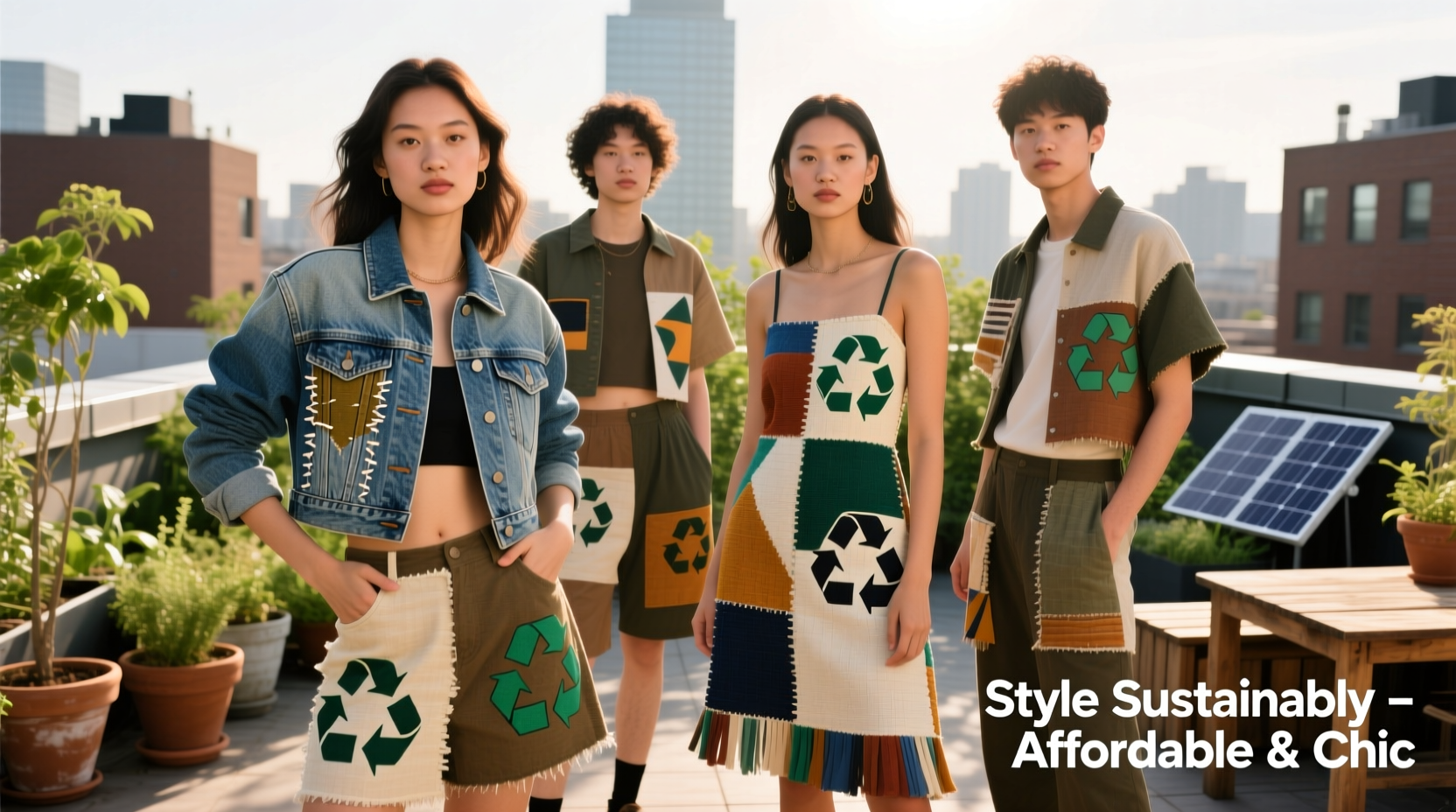
The myth that eco-friendly clothing is inherently costly persists, but it's increasingly outdated. While some sustainable brands carry higher price tags due to fair wages, organic materials, and low-impact production, affordability is achievable through smarter consumption patterns. The real cost of fashion isn’t just in the price tag—it’s in environmental degradation, labor exploitation, and textile waste. By shifting focus from quantity to quality and embracing circular fashion principles, consumers can reduce long-term costs while supporting ethical practices.
Sustainable fashion isn’t about buying new “green” items exclusively—it’s about redefining what value means in clothing. A $60 organic cotton shirt worn 50 times costs less per wear than a $15 polyester top discarded after three washes.
“Sustainability in fashion starts with slowing down. It’s not about replacing your wardrobe, but rethinking how you use it.” — Dr. Lena Torres, Sustainable Fashion Researcher, Stockholm Institute of Fashion
5 Practical Strategies for Affordable, Stylish, and Sustainable Wardrobes
1. Embrace Secondhand and Thrift Shopping
Thrift stores, consignment shops, and online resale platforms like Poshmark, ThredUp, and Vestiaire Collective offer high-quality garments at a fraction of retail prices. From vintage denim to designer blazers, secondhand shopping reduces textile waste and extends garment life cycles.
Tip: Visit thrift stores on discount days (often Wednesdays or weekends) for extra savings.Platforms like Depop and eBay also allow users to search by size, brand, and material, making it easier to find sustainable pieces such as linen shirts, TENCEL™ dresses, or wool coats without overspending.
2. Invest in Timeless, High-Quality Basics
Building a capsule wardrobe around versatile staples—like well-fitting jeans, neutral-toned sweaters, tailored trousers, and classic trench coats—reduces the need for constant replacement. Prioritize natural fibers like organic cotton, hemp, and recycled wool, which last longer and biodegrade more safely than synthetics.
When evaluating cost, consider cost-per-wear: a $120 jacket worn weekly over two years costs less than $1 per wear. That same investment in five $25 fast-fashion jackets averages higher per use and creates more waste.
3. Support Ethical Brands with Transparent Pricing
A growing number of brands balance ethics, aesthetics, and accessibility. Companies like Pact, Tentree, and Kotn offer everyday essentials made with organic materials and fair labor practices, often priced under $50 per item. Look for certifications like Fair Trade, GOTS (Global Organic Textile Standard), or B Corp status as indicators of accountability.
| Brand | Price Range (Basics) | Sustainability Features |
|---|---|---|
| Pact | $20–$40 | Organic cotton, Fair Trade factories, carbon offset shipping |
| Tentree | $30–$70 | Planting 10 trees per purchase, recycled materials |
| Kotn | $40–$90 | Egyptian cotton direct from farmers, transparent supply chain |
4. Master Clothing Care and Repair
Extending the life of your clothes by just nine months can reduce their carbon, water, and waste footprints by 20–30%. Simple habits make a difference: washing in cold water, air-drying, and using eco-friendly detergents preserve fabric integrity. Learn basic mending skills—sewing on buttons, patching holes, or hemming pants—to keep items wearable longer.
Local tailors or repair cafes can fix zippers, replace linings, or adjust fits for a fraction of replacement cost. Some brands, like Patagonia and Eileen Fisher, even offer free or discounted repair services.
5. Swap, Borrow, or Rent for Special Occasions
For events requiring formalwear or trendy statement pieces, renting or swapping eliminates short-term ownership. Services like Rent the Runway, HURR, or By Rotation allow access to designer clothing without long-term commitment. Organize local clothing swaps with friends to refresh your closet socially and sustainably.
Tip: Host seasonal swap parties—invite guests to bring 3–5 clean items and exchange them freely.Step-by-Step Guide: Building Your Sustainable Closet on a Budget
- Assess your current wardrobe: Identify gaps, overused items, and pieces you reach for most.
- Define your personal style: Focus on silhouettes and colors you love, not trends.
- Set a monthly clothing budget: Allocate funds toward quality over quantity (e.g., $30/month).
- Shop secondhand first: Check resale apps before buying new.
- Add one sustainable staple per month: Start with socks, tees, or outerwear made from eco-materials.
- Repair and care: Wash mindfully and mend promptly.
- Rotate and reassess quarterly: Donate what no longer fits or serves you.
Real Example: How Maya Built a Stylish Capsule Wardrobe for Under $300
Maya, a 28-year-old teacher in Portland, wanted to reduce her fashion footprint without draining her savings. Over six months, she transitioned from fast-fashion reliance to a curated, sustainable wardrobe. She began by auditing her closet, donating 40% of her clothes, and identifying recurring needs: durable work pants, breathable layers, and weather-appropriate outerwear.
She spent $80 at a local thrift store on two wool blazers, a pair of corduroys, and a trench coat. Using the app Poshmark, she bought three organic cotton tops from Pact for $35 total. She joined a community sewing group to learn basic repairs and adjusted hems herself. By prioritizing versatility and fit, Maya now wears 90% of her wardrobe regularly—and spends less than $50 annually on clothing.
Checklist: Your Sustainable Style Action Plan
- ✅ Audit your current wardrobe—keep, donate, repair
- ✅ Set a realistic monthly clothing budget
- ✅ Search for secondhand options before buying new
- ✅ Prioritize natural, durable fabrics (cotton, wool, linen, TENCEL™)
- ✅ Learn basic mending techniques or locate a local tailor
- ✅ Follow 3–5 ethical brands with transparent practices
- ✅ Participate in a clothing swap or rental service this season
Frequently Asked Questions
Isn’t sustainable fashion only for people with high incomes?
No. While some eco-brands are premium-priced, sustainability is more about behavior than income. Thrifting, repairing, and buying less are accessible to nearly everyone. In fact, low-income communities have historically practiced sustainable fashion through hand-me-downs and mending—proving that ethics and economy can align.
How can I tell if a brand is truly sustainable?
Look beyond marketing terms like “eco-friendly” or “green.” Check for third-party certifications (GOTS, Fair Trade, B Corp), detailed supply chain disclosures, and transparency about factory locations and labor conditions. If a brand doesn’t openly share this information, skepticism is warranted.
Can synthetic fabrics ever be sustainable?
Most conventional synthetics (polyester, nylon) are derived from fossil fuels and shed microplastics. However, recycled versions (rPET) reduce reliance on virgin plastic. Even better: limit synthetics when possible, use a microfiber-catching laundry bag (like Guppyfriend), and opt for natural blends when durability is needed.
Conclusion: Style That Lasts—In More Ways Than One
Looking good doesn’t require compromising your values or your budget. The most stylish wardrobes aren’t defined by how many items they contain, but by how thoughtfully each piece was chosen. By embracing secondhand markets, investing in longevity, and supporting ethical production, you create a personal style that reflects intention, not impulse.
💬 Ready to transform your wardrobe? Start today: pick one strategy from this guide—whether it’s hosting a swap, mending a favorite shirt, or researching a sustainable brand—and take your first step toward fashion that’s affordable, earth-friendly, and unmistakably you.








