Whether you're hosting a classroom game, organizing a community event, or running a team-building activity, rewarding participants keeps energy high and engagement strong. The right prize doesn’t need to be expensive—it just needs to feel meaningful, fun, and worth earning. Small gifts are ideal for game prizes because they’re cost-effective, easy to store, and can be tailored to different age groups and interests. With thoughtful selection, even a $1 trinket can become a memorable reward.
Why Small Gifts Work Best for Game Prizes
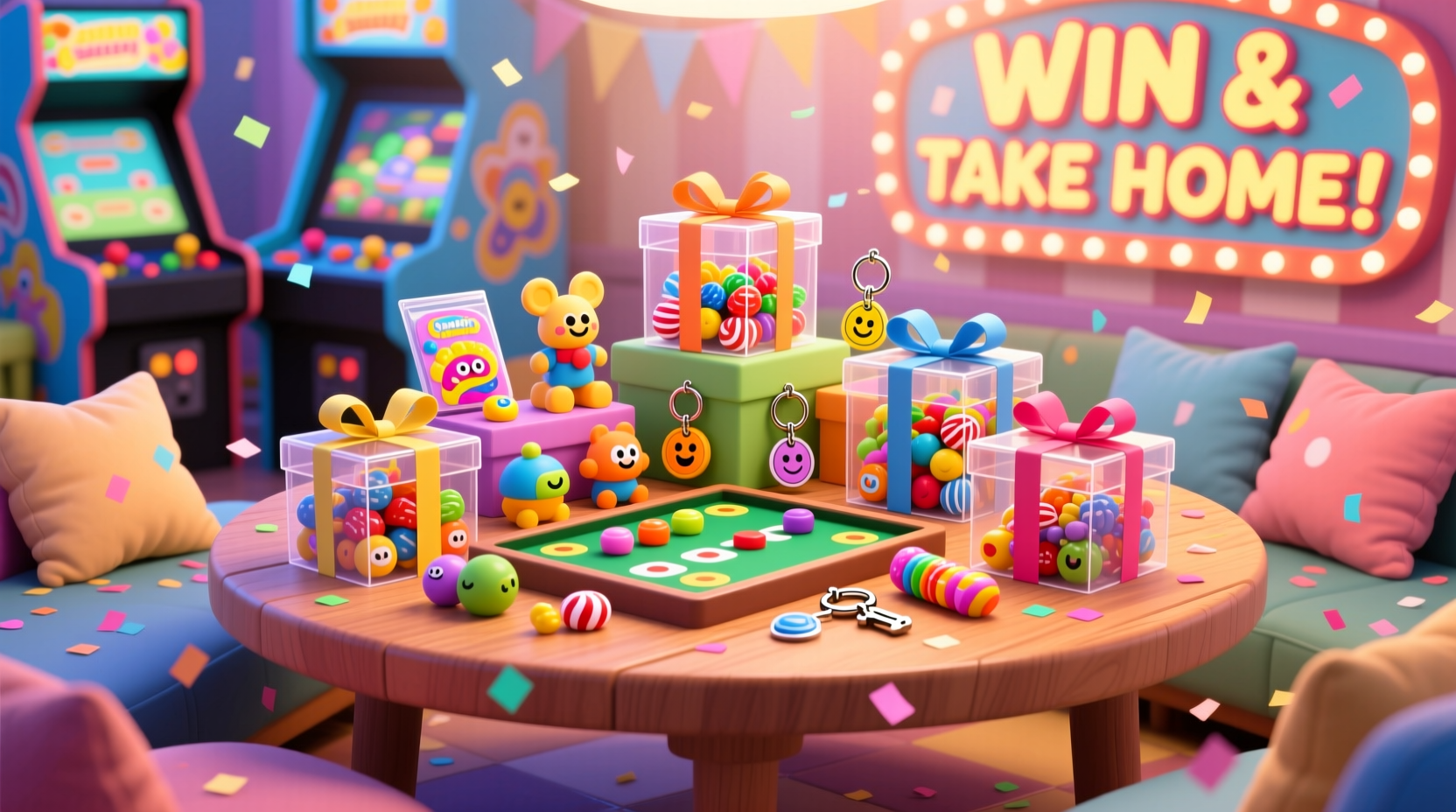
Large or expensive prizes may seem exciting, but they often create imbalance—favoring competitive players over casual ones—and can inflate expectations. Small gifts, on the other hand, level the playing field. They reinforce participation, encourage repeated play, and maintain a light-hearted atmosphere. According to Dr. Linda Chen, a behavioral psychologist specializing in motivation, “Immediate, frequent rewards—even if minor—trigger dopamine release more consistently than rare big wins, making people more likely to stay engaged.”
When prizes are modest and accessible, the focus stays on fun rather than competition. This is especially important in educational settings, youth programs, or inclusive events where the goal is enjoyment and involvement, not just winning.
“Small rewards build momentum. They make every round feel like it matters.” — Dr. Linda Chen, Behavioral Psychologist
Top 25 Fun & Affordable Small Gift Ideas Under $3
You don’t need to spend much to delight participants. Below is a curated list of budget-friendly items that combine novelty, utility, and fun—perfect for game prizes across age groups:
- Fidget spinners or cubes (great for stress relief and focus)
- Mini puzzles or brain teaser keychains
- Colorful slap bracelets or glow-in-the-dark bands
- Pack of silly stickers or temporary tattoos
- Mini notebooks with fun covers
- Eraser shaped like animals or food
- Pop-it keychains (compact sensory toys)
- Bottle cap collectibles or trading cards
- Mini flashlight or LED keychain
- Customized pencils with motivational quotes
- Small packs of gum or candy (check dietary restrictions)
- Bookmark with tassel or quirky design
- Mini succulents in decorative pots
- Fun socks (especially for older kids or adults)
- Keychains with puns (“I’m outstanding in my field!”)
- Mini coloring books with colored pencils
- Stress balls shaped like emojis or planets
- Reusable straws with cleaning brushes
- DIY slime or putty in small containers
- Miniature board games (like travel-sized checkers)
- Personalized lanyards
- Water bottle labels with funny messages
- Mini magnifying glass or compass (themed for explorers)
- Scratch-off lottery-style cards (non-monetary, fun reveals)
- “Winner” medals or ribbons (nostalgic and celebratory)
How to Choose the Right Prize for Your Audience
Not all small gifts work for every group. A prize that delights a 7-year-old might bore a teenager or feel unprofessional at a corporate retreat. Consider these factors when selecting:
| Audience | Ideal Prize Types | Price Range |
|---|---|---|
| Kids (ages 5–10) | Stickers, mini toys, crayons, temporary tattoos | $0.25 – $1.50 |
| Tweens/Teens (11–17) | Fidget tools, cool pens, pop-it gadgets, mystery boxes | $1 – $3 |
| Adults (casual events) | Mini plants, quirky mugs, puzzle cubes, gift cards ($5) | $2 – $5 |
| Corporate/team building | Branded pens, notebooks, coffee sleeves, desk organizers | $3 – $5 |
| Elderly/seniors | Knitting kits, reading glasses, puzzle books, herbal tea samples | $2 – $4 |
Always consider cultural appropriateness, allergies (if offering food), and inclusivity. Avoid gender-stereotyped items unless specifically requested. Neutral themes like space, nature, or abstract art tend to appeal broadly.
Step-by-Step: Setting Up a Reward System for Games
A well-planned prize system enhances fairness and excitement. Follow this timeline to implement one effectively:
- Define the purpose: Is the game for learning, entertainment, or team bonding? Align prizes accordingly.
- Determine frequency: Will prizes go to every winner, top three, or random participants? Frequent small rewards boost morale.
- Budget planning: Decide total spending. Example: $50 for 25 participants = $2 per prize.
- Select prizes: Use the table above to match items to your audience.
- Source supplies: Order online or visit local discount stores 1–2 weeks in advance.
- Display and distribute: Arrange prizes visibly to build anticipation. Hand them out immediately after each round.
- Collect feedback: Ask participants what they liked. Adjust future selections based on responses.
Real-World Example: Library Summer Reading Challenge
The Westside Community Library runs an annual summer reading program for children. In past years, they offered a single grand prize—a tablet—which created pressure and discouraged slower readers. Last year, they shifted strategy: for every five books logged, kids received a small gift from a rotating prize bin.
Prizes included dinosaur erasers, superhero stickers, mini puzzles, and glow bracelets—all under $1.50 each. Over 12 weeks, they distributed 320 prizes at a total cost of $380. Participation increased by 40% compared to the previous year, and parents reported their children were more excited to read regularly.
“It wasn’t about the prize,” said librarian Maria Tran. “It was about feeling recognized every time they finished a book. The little rewards made reading feel like an adventure with constant surprises.”
Checklist: Preparing Game Prizes on a Budget
Use this checklist to ensure your prize setup is smooth, inclusive, and effective:
- ☐ Define your total prize budget
- ☐ Identify your audience (age, interests, size)
- ☐ Choose 8–10 different prize types to rotate
- ☐ Source items in bulk (dollar stores, wholesale clubs, online)
- ☐ Store prizes in labeled bins or bags for easy access
- ☐ Test a few items yourself—do they work? Are they safe?
- ☐ Include at least one non-food option for allergy-sensitive environments
- ☐ Plan distribution method (immediate, raffle, take-a-prize bin)
- ☐ Gather feedback after the event to improve next time
Frequently Asked Questions
Can I reuse prizes if they’re unopened or unused?
Yes, as long as the item remains in pristine condition and is appropriate for future events. Avoid reusing anything that has been handled excessively or stored poorly. Clearly mark “unused” items for reintegration.
Are gift cards too impersonal for small game prizes?
Not necessarily. A $1–$3 e-gift card to a popular app (like Minecraft or Roblox) can be highly motivating for older kids and teens. For younger children, physical items usually have more impact due to immediate gratification.
What if I run out of prizes during the event?
Have a backup plan—such as printable certificates for a “prize pass” redeemable later, or a bonus round with bragging rights as the reward. Transparency helps; let participants know prizes are limited but everyone has a fair chance.
Final Thoughts: Make Every Win Feel Special
The best game prizes aren’t measured by price, but by the smile they bring. Small, thoughtful rewards keep spirits high, encourage continued participation, and turn simple games into memorable experiences. Whether it’s a glittery pencil for a correct answer or a mini plant for teamwork, these tiny tokens create moments of joy that linger far beyond the event.
💬 Start small, think creatively, and watch how much fun unfolds. Have a favorite low-cost prize idea? Share it in the comments and inspire others to spread joy—one tiny gift at a time!








