Choosing the right floor covering isn’t just about color or texture—shape plays a surprisingly powerful role in defining the character of a space. While square and rectangular rugs have long dominated interior design, round floor mats are gaining popularity in living rooms, dining areas, and entryways. But does the shape truly affect functionality, flow, and aesthetic harmony? The answer is yes—and more than most realize.
The shape of a rug influences spatial perception, furniture arrangement, traffic patterns, and even emotional tone. A well-chosen shape can anchor a seating area, soften sharp angles, or create visual balance in an otherwise rigid room. Understanding when to use a round mat versus a square rug helps transform a room from merely decorated to thoughtfully designed.
How Shape Influences Room Dynamics
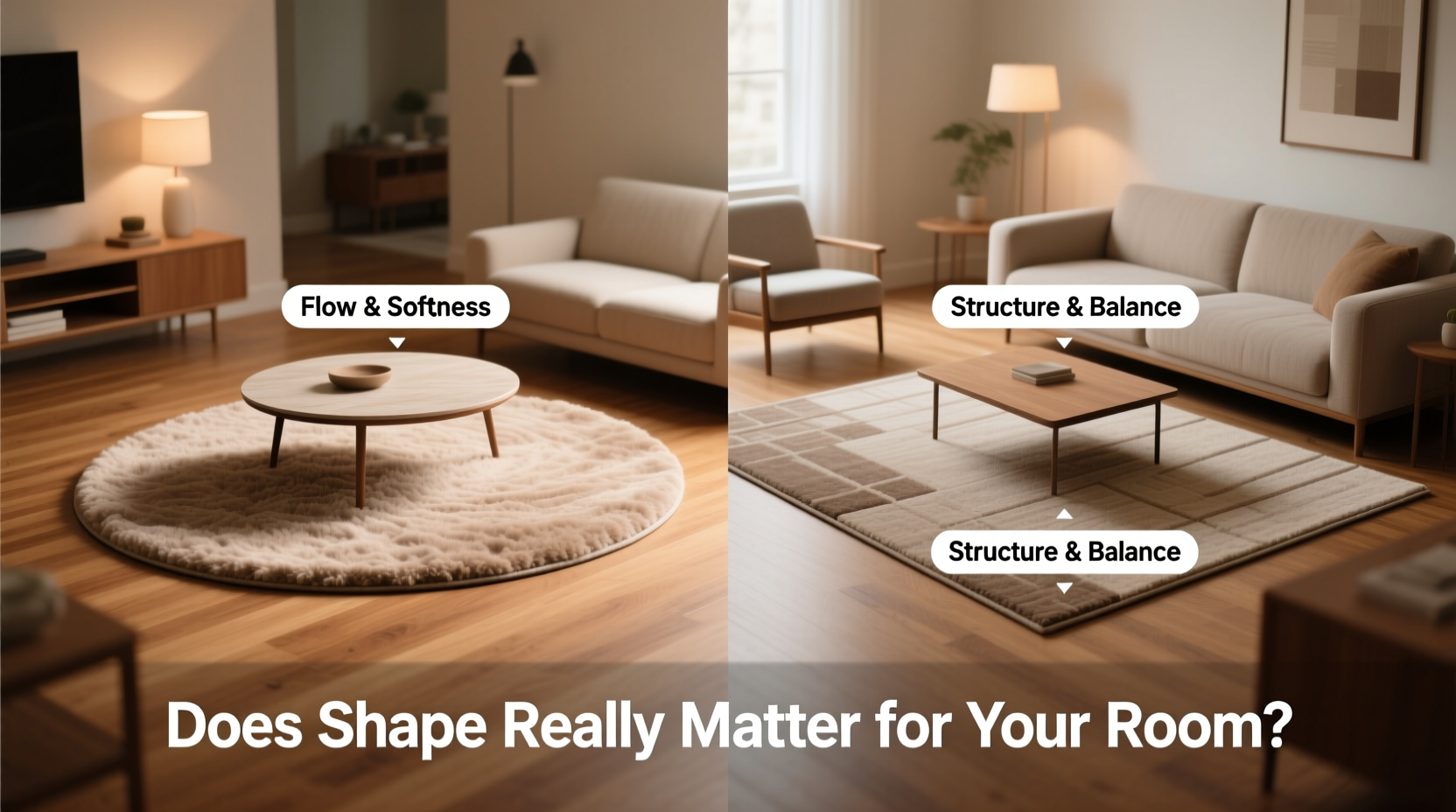
Shape is not a superficial detail—it’s a structural element in interior design. Square and rectangular rugs align naturally with walls, furniture, and architectural lines, reinforcing order and symmetry. They fit seamlessly under standard furniture groupings like sofas and coffee tables, creating a grounded, stable feel.
In contrast, round floor mats introduce softness and movement. Their curved edges break up straight lines, making them ideal for spaces that feel too angular or formal. A circular rug can act as a visual island, drawing focus to a central piece—like a dining table or reading nook—while subtly guiding foot traffic around it.
Interior designer Lena Torres explains:
“Curves invite conversation and connection. A round rug under a dining table encourages eye contact and intimacy, while a square one might emphasize hierarchy and formality.” — Lena Torres, Interior Architect
This psychological effect is subtle but real. In open-concept homes, where defined zones are essential, shape becomes a tool for demarcation without physical barriers.
Practical Considerations: Size, Fit, and Function
Before aesthetics, practicality must guide your choice. The dimensions of your room and furniture determine which shapes will work—and which won’t.
Square and rectangular rugs excel in structured environments. For example, in a living room with a sectional sofa, a large rectangular rug that extends beyond the front legs of all furniture pieces creates cohesion. It defines the entire conversation area and prevents the space from feeling fragmented.
Round mats shine in smaller or irregularly shaped rooms. A circular rug can prevent a narrow hallway or compact sitting area from feeling cramped by avoiding the visual “boxing-in” effect of right angles. However, they require careful sizing. A round rug that’s too small under a large table defeats its purpose, leaving chairs stranded off the edge when pulled out.
Tip: For dining areas, ensure your round rug extends at least 24 inches beyond the chair edges when seated. This prevents tripping and maintains visual balance.Shape Comparison: Round vs. Square – When to Use Which
| Factor | Round Floor Mat | Square/Rectangular Rug |
|---|---|---|
| Best For | Dining nooks, round tables, small spaces, focal points | Living rooms, bedrooms, hallways, matching furniture lines |
| Traffic Flow | Encourages circular movement; less suited for high-traffic paths | Aligns with linear pathways; better for through-rooms |
| Furniture Compatibility | Ideal under round tables or central seating clusters | Matches standard sofa, bed, and console arrangements |
| Visual Effect | Softens space, adds whimsy, draws inward focus | Creates stability, enhances symmetry, feels traditional |
| Space Perception | Can make tight spaces feel larger; avoids corner clutter | Maximizes floor coverage; emphasizes room dimensions |
Real-World Example: Transforming a Compact Dining Nook
Sarah, a homeowner in Portland, struggled with her breakfast nook feeling cramped and awkward. She had a round pedestal table with four chairs, but her previous rectangular rug didn’t extend far enough under the seated chairs, causing them to catch on the edge when moved.
After switching to a 7-foot diameter round jute rug, the entire dynamic changed. The rug now fully accommodated all chairs, even when pulled out. The curve echoed the table’s shape, creating harmony. More importantly, the space felt more inviting—guests commented it was easier to move around and talk comfortably.
“I didn’t think a shape change would do so much,” Sarah said. “But now the nook feels intentional, not just squeezed into the kitchen.”
Step-by-Step Guide to Choosing the Right Shape
- Measure your space. Note wall lengths, door swings, and existing furniture dimensions.
- Define the zone. Is this a seating area, dining spot, or entryway? Different functions favor different shapes.
- Assess furniture layout. Match the rug shape to dominant forms—round under round tables, rectangular under sofas.
- Consider traffic patterns. High-traffic corridors need linear rugs; gathering spots benefit from circular ones.
- Test proportions. Use painter’s tape to outline potential rug sizes on the floor and visualize how each shape fits.
- Evaluate visual balance. Does the shape complement room architecture? Avoid clashing geometries unless intentionally eclectic.
Common Mistakes to Avoid
- Choosing based on trend alone. Round rugs are stylish, but not every space needs one.
- Ignoring clearance. Chairs should stay on the rug when in use—especially in dining areas.
- Mixing too many shapes. Unless you’re aiming for bold eclecticism, maintain consistency across adjacent zones.
- Overlooking room architecture. Vaulted ceilings or arched doorways may pair better with curves; boxy layouts suit squares.
FAQ
Can I mix round and square rugs in the same room?
Yes, but with intention. For example, a square living room rug can anchor the main seating, while a small round mat sits beneath a circular side table. The key is maintaining a cohesive color palette and material theme to unify the elements.
Are round rugs harder to clean?
Not inherently. Maintenance depends more on material than shape. However, round rugs may require custom pads or non-slip solutions since standard grippers are often rectangular. Always use a rug pad to prevent shifting and wear.
Do round rugs make a room look bigger?
They can, especially in small or angular spaces. The absence of corners reduces visual clutter and creates a sense of fluidity. Paired with light colors and minimal furniture, round rugs contribute to an airy, expansive feel.
Final Checklist Before You Buy
- ✅ Measure twice:
- Ensure the rug (round or square) leaves adequate floor border or fits within the intended zone.
- ✅ Match to furniture:
- A dining rug should allow chairs to remain on fabric when pulled out; a living room rug should support all key furniture legs.
- ✅ Consider room shape:
- Round rugs soften square rooms; rectangles define long spaces.
- ✅ Think about function:
- High-traffic entries need durable, easy-to-clean materials regardless of shape.
- ✅ Test the flow:
- Walk around the taped outline—does it feel natural or obstructive?
Conclusion: Shape Matters—Choose With Purpose
The debate between round floor mats and square rugs isn’t about which is better overall, but which serves your space best. Shape is a silent communicator of comfort, function, and style. Whether you opt for the grounding symmetry of a square rug or the organic flow of a round mat, let intention guide your decision—not impulse or trend.
Take a moment to observe how people move through your room, where conversations happen, and what architectural features stand out. Then choose a rug shape that supports, rather than fights, those realities. A thoughtful choice doesn’t just finish a room—it transforms how you live in it.
💬 Have you tried switching from a square rug to a round one—or vice versa? Share your experience and help others discover what works!