Choosing between a round floor mat and a jute rug isn't just about aesthetics—it's a practical decision that affects cleanliness, longevity, and daily upkeep. Both options are popular in modern homes, especially in entryways, living rooms, and under coffee tables, but they perform very differently when exposed to foot traffic, spills, and everyday wear. Understanding how each material handles dirt concealment and long-term durability can help you invest wisely in flooring that stays looking good with minimal effort.
Dirt Concealment: How Each Material Handles Stains and Debris
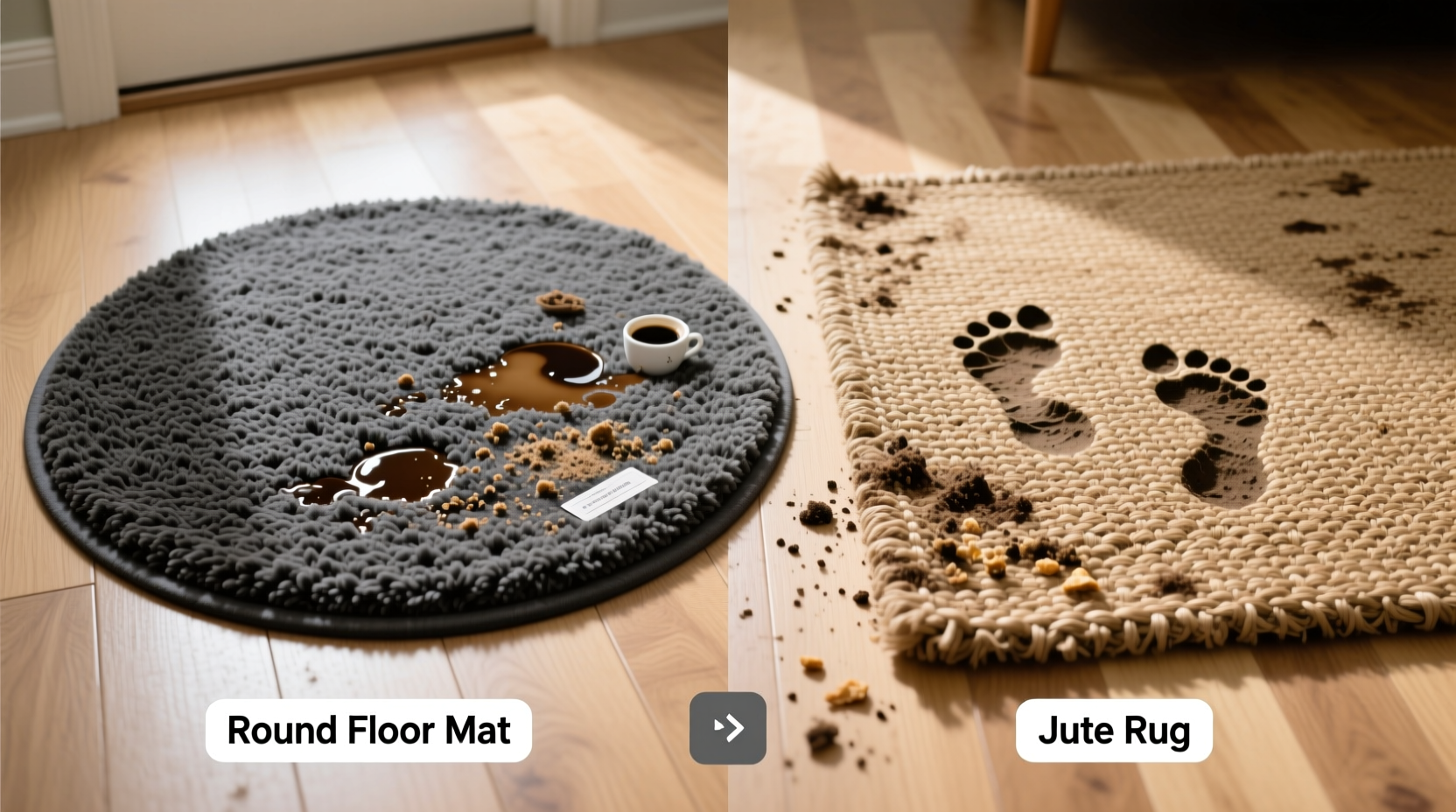
The ability of a floor covering to hide dirt is crucial for maintaining a clean appearance without constant cleaning. Round floor mats, typically made from synthetic fibers like nylon, polyester, or rubber-backed microfiber, are engineered for high-traffic zones. Their tight weaves and often darker or patterned surfaces naturally mask dust, lint, and scuff marks. Many also feature textured surfaces that break up visual continuity, making small stains less noticeable.
In contrast, jute rugs have a natural, organic texture derived from plant fibers. While their earthy tones and woven patterns offer a rustic charm, they tend to show dirt more readily. Light-colored jute fibers easily reveal dust, pet hair, and soil tracked in from outside. Spills, especially oil-based ones, can leave visible marks because jute is highly absorbent and not inherently stain-resistant.
Tip: Opt for darker-toned or multi-colored round mats if you want a floor covering that hides dust and footprints between cleanings.Durability and Longevity: Which One Lasts Longer?
Lifespan depends on material composition, construction quality, and environmental exposure. Round floor mats—especially those designed for entryways—are built to endure repeated use. Many are water-resistant, mold-resistant, and reinforced at the edges to prevent fraying. With proper care, a high-quality round mat can last 5–7 years or more, even in busy households.
Jute rugs, while attractive, are more delicate. Jute is a natural fiber that degrades faster when exposed to moisture, sunlight, or heavy abrasion. Prolonged sun exposure causes fading and brittleness, while humidity can lead to mildew. In high-traffic areas, jute tends to shed fibers and develop bald spots within 2–3 years. They are best suited for low-moisture, low-traffic spaces like bedrooms or formal living rooms.
“Natural fibers like jute bring warmth and sustainability, but they require more protection than synthetics. Placement and environment matter as much as the material itself.” — Lena Torres, Interior Textile Consultant
Comparative Analysis: Round Floor Mat vs Jute Rug
| Feature | Round Floor Mat | Jute Rug |
|---|---|---|
| Dirt Concealment | Excellent – patterns and textures hide debris | Fair to Poor – light fibers show dust and stains |
| Stain Resistance | High – often treated for spill resistance | Low – absorbs liquids quickly, prone to staining |
| Maintenance | Easy – spot clean or machine washable | Delicate – requires dry cleaning or gentle vacuuming |
| Lifespan (with care) | 5–7+ years | 2–4 years |
| Motion Durability | High – resists crushing and flattening | Moderate – flattens over time, especially in paths |
| Eco-Friendliness | Variable – often synthetic, less biodegradable | High – renewable, biodegradable material |
Real-World Example: Entryway Performance in a Family Home
The Thompson family lives in a suburban home with two children, a dog, and frequent guests. They initially placed a light beige jute rug by their front door for its natural look. Within three months, the rug showed visible soil lines, muddy paw prints, and began fraying at the edges due to constant wiping of shoes. After replacing it with a dark charcoal round floor mat made of rubber-backed polypropylene, they noticed an immediate improvement. The mat trapped dirt at the entrance, required only weekly shaking and monthly hosing, and retained its shape and color after a year of use. This shift reduced indoor dust accumulation and eliminated the need for frequent rug replacements.
This case illustrates how function should guide form in high-use areas. While the jute rug was visually appealing, it failed in practical performance. The round mat, though less “artisan,” proved superior in both dirt concealment and durability.
Care and Maintenance Tips for Maximum Longevity
Proper care extends the life of any floor covering, but the methods differ significantly between materials.
- For Round Floor Mats: Shake them outdoors monthly. For deeper cleaning, hose down or machine wash (if labeled safe). Allow full drying before repositioning to prevent mold.
- For Jute Rugs: Vacuum regularly using a suction-only setting (no beater bar). Blot spills immediately with a dry cloth—never rub. Rotate every 3–6 months to ensure even wear and fading.
- Avoid steam cleaning jute, as moisture weakens fibers and promotes rot.
- Use a non-slip rug pad underneath either option to reduce friction and slippage, which accelerates wear.
Action Checklist: Choosing the Right Option for Your Space
- Assess the room’s traffic level – high traffic favors round mats.
- Check for moisture exposure – avoid jute in bathrooms, mudrooms, or basements.
- Evaluate your cleaning habits – do you prefer low-maintenance solutions?
- Consider color and design – darker, patterned mats hide imperfections better.
- Think long-term – calculate replacement frequency and cost over 5 years.
- Test a sample – place a small piece in the intended area for a week to observe performance.
FAQ
Can I use a jute rug in my entryway?
It’s not recommended. Entryways expose rugs to moisture, grit, and heavy foot traffic, all of which degrade jute quickly. A durable round floor mat is a far better choice for this location.
Do round floor mats work under dining tables?
Yes, especially if they’re large enough to accommodate chair movement. Look for low-pile, anti-slip models that won’t catch on chair legs and are easy to clean in case of food spills.
Are jute rugs eco-friendly despite their shorter lifespan?
Yes, jute is biodegradable and grown with minimal pesticides, making it environmentally sustainable. However, frequent replacement reduces its overall eco-balance compared to longer-lasting synthetics.
Final Recommendations and Next Steps
If your priority is hiding dirt and maximizing longevity, a round floor mat is the clear winner. Engineered for resilience, easy maintenance, and visual discretion, it outperforms jute in nearly every functional category. That said, jute rugs have their place—particularly in quiet, dry rooms where their natural beauty can shine without being compromised by wear.
The smart approach is strategic placement: use round floor mats in functional zones like hallways, kitchens, and entrances, and reserve jute rugs for decorative accents in bedrooms or studies. By matching material strengths to room demands, you achieve both style and substance.
💬 Have experience with round mats or jute rugs in high-traffic areas? Share your story or lessons learned—we’d love to hear what works in real homes!








