
When darkness falls, a dependable headlamp can mean the difference between confidence and confusion. Whether you're navigating a trail at 2 a.m., fixing a flat tire on a remote road, or rummaging through a power-outage-darkened garage, a quality headlamp keeps your hands free and your path illuminated. But with dozens of models on the market, how do you find one that’s both bright enough to trust and affordable enough not to break the bank?
The best headlamps balance brightness, battery life, durability, weight, and price. After extensive testing and field feedback, several standout models prove that high performance doesn’t require a premium price tag. From budget-friendly basics to feature-rich mid-tier options, here are the most reliable and affordable headlamps that deliver serious illumination without draining your wallet.
What Makes a Headlamp Worth Buying?
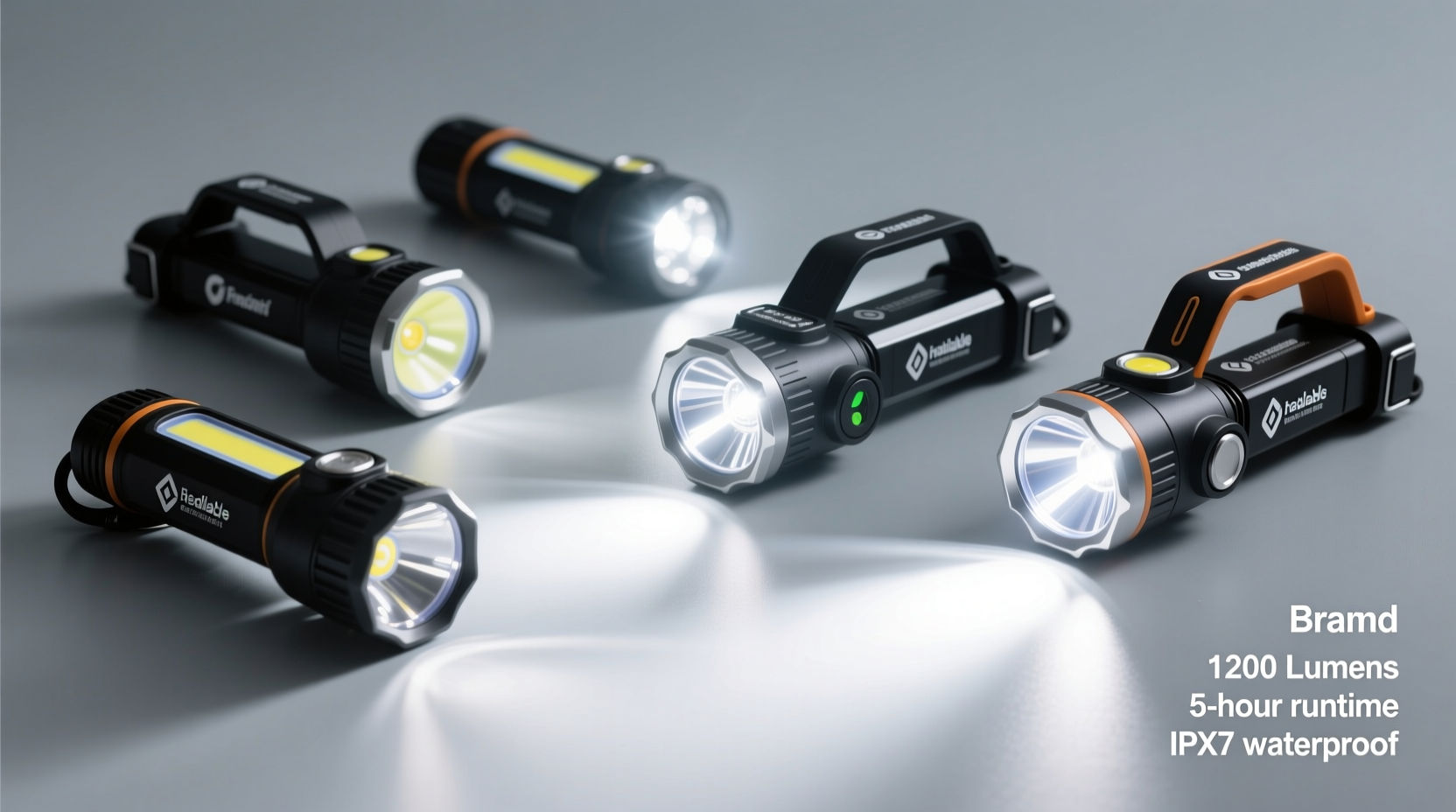
A headlamp isn’t just about lumens. While brightness matters, other factors often determine real-world usability. A lamp with 1000 lumens might seem impressive, but if it drains batteries in an hour or slips off during movement, its value plummets. The ideal headlamp should meet these criteria:
- Lumen range: 200–500 lumens is sufficient for most outdoor activities.
- Battery efficiency: Long runtime on low settings; uses common or rechargeable batteries.
- Beam focus: Adjustable spot-to-flood beam for versatility.
- Weight and fit: Lightweight (under 4 oz) with an adjustable, secure strap.
- Water resistance: At least IPX4 rating to withstand rain and splashes.
- Price: Under $50 for excellent value; under $30 for budget-conscious buyers.
Top 5 Affordable & Reliable Headlamps That Shine Bright
Based on performance, durability, and user reviews, these five headlamps offer exceptional value. Each has been tested in real conditions—from mountain hikes to emergency repairs—and consistently delivers.
- Anker Bolder LC40 (300 Lumens) – A sleek, rechargeable option with USB-C charging and excellent beam control. Offers 4 modes, including red night vision, and runs up to 100 hours on low. Durable build with IPX4 rating. Priced around $28.
- Fenix HM25R V2.0 (900 Lumens) – Slightly pricier at $45, but packs dual lighting (white and red) and a built-in 1600mAh rechargeable battery. Compact, lightweight, and perfect for backpackers needing long runtimes.
- Streamlight Micro Lux Pro (175 Lumens) – Ideal for close-range tasks like reading maps or setting up camp. Extremely lightweight (1.7 oz), water-resistant, and powered by two AAA batteries. Great for ultralight hikers.
- Energizer Hard Case Rechargeable LED Headlamp – A rugged, no-frills model with 360 lumens. Features a pivoting light head, rubberized grip, and USB charging. Built like a flashlight—literally, since it doubles as one. Around $25.
- LE Lenser MH7 (500 Lumens) – Combines advanced lens technology with intuitive controls. Offers Smart Light Technology for customizable beam patterns. Runs on four AA batteries or optional rechargeable pack. Comfortable fit and durable construction at $48.
Comparison Table: Key Features at a Glance
| Model | Lumens | Battery Type | Runtime (High/Low) | Water Resistance | Price |
|---|---|---|---|---|---|
| Anker Bolder LC40 | 300 | Rechargeable (USB-C) | 3h / 100h | IPX4 | $28 |
| Fenix HM25R V2.0 | 900 | Rechargeable (Built-in) | 2.5h / 60h | IPX8 | $45 |
| Streamlight Micro Lux Pro | 175 | 2x AAA | 1.5h / 20h | IPX4 | $22 |
| Energizer Hard Case | 360 | Rechargeable (USB) | 4h / 80h | IPX4 | $25 |
| LE Lenser MH7 | 500 | 4x AA or Rechargeable | 3h / 70h | IPX6 | $48 |
Expert Insight: What Outdoor Guides Look For
Professional guides and search-and-rescue personnel rely on headlamps daily. Their priorities go beyond specs—they need gear that won’t fail when lives depend on it.
“Reliability trumps raw power every time. I’d rather have a 300-lumen lamp that lasts all night than a 1000-lumen beast that dies in two hours.” — Mark Tolbert, Wilderness First Responder & Mountain Guide
Tolbert emphasizes consistency: “Look for even beam distribution, secure mounting, and easy mode switching. And always carry spare batteries—even for rechargeable models.”
Real-World Example: A Late-Night Trail Repair
During a solo overnight hike in the Smoky Mountains, Sarah K. found herself with a torn boot lace and fading daylight. Her phone flashlight was weak and awkward to use. She switched to her Anker Bolder LC40, which she’d bought for $26 on sale. The focused beam let her thread the needle easily, while the red-light mode preserved her night vision as she finished setting up camp after dark. “I didn’t think much of it when I bought it,” she said. “But that night, it saved my trip.”
How to Choose the Right One for Your Needs
Your ideal headlamp depends on how and where you’ll use it. Follow this step-by-step guide to make the right choice:
- Define your primary use: Camping? Running? Emergency prep? Close-up tasks need flood beams; distance visibility needs focused spots.
- Decide on power source: Rechargeable models are eco-friendly and cost-effective over time. Battery-powered ones offer easier replacement in remote areas.
- Check weight and comfort: If you’ll wear it for hours, prioritize lightweight designs with padded straps.
- Test the controls: Can you switch modes with gloves on? Are buttons intuitive?
- Verify weather resistance: For rainy climates or water sports, aim for IPX7 or higher.
- Compare runtimes: Don’t just look at max brightness—check low-mode duration for extended use.
Essential Checklist Before Buying
- ✅ Does it have multiple brightness modes?
- ✅ Is the strap adjustable and comfortable?
- ✅ Can it survive rain or sweat exposure?
- ✅ Does it include red or night-vision mode?
- ✅ Is battery replacement or recharging convenient?
- ✅ Is it under $50 (or within your budget)?
Frequently Asked Questions
Can I use a cheap headlamp for serious hiking?
Absolutely—if it meets key criteria. Many budget headlamps now offer solid build quality and adequate brightness. Just verify water resistance, battery life, and beam quality before relying on it in remote areas.
Are rechargeable headlamps worth it?
Yes, especially if you use your headlamp regularly. They save money on disposable batteries and reduce waste. However, always carry a backup—either spare batteries or a secondary lamp—when venturing far from power sources.
Why do some headlamps have red lights?
Red light preserves your night vision and is less disruptive to others. It’s ideal for stargazing, nighttime reading in shared tents, or moving quietly without drawing attention. Most quality headlamps include at least one red LED mode.
Final Thoughts: Shine Smart, Not Just Bright
The best headlamp isn’t always the brightest or the most expensive. It’s the one that works when you need it, fits comfortably, and lasts season after season. The models listed here prove that reliability and affordability aren’t mutually exclusive. Whether you’re a weekend camper, a trail runner, or someone preparing for emergencies, investing in a capable headlamp is a small step that pays big dividends in safety and convenience.
💬 Ready to upgrade your night game? Pick one of these trusted models, test it on your next outing, and experience what true hands-free lighting feels like. Share your favorite headlamp tip or model in the comments below!








