Navigating open waters should be about adventure, not anxiety. Yet even the most experienced boaters know that mechanical failures can turn a dream day on the water into an emergency tow. Unlike cars, boats operate in harsh environments—saltwater, vibration, humidity—and their systems are often more complex, combining electrical, fuel, and propulsion components. That’s where marine diagnostic tools come in. The right device helps you detect issues early, avoid downtime, and extend the life of your vessel—all without breaking the bank.
Today’s market offers everything from smartphone apps to professional-grade scanners. But affordability doesn’t have to mean compromise. With careful selection, boaters can access accurate, user-friendly diagnostic systems that deliver real value. Whether you own a 20-foot center console or a 40-foot cruiser, understanding which tools offer reliability at a reasonable price is essential for stress-free boating.
Why Marine Diagnostics Matter
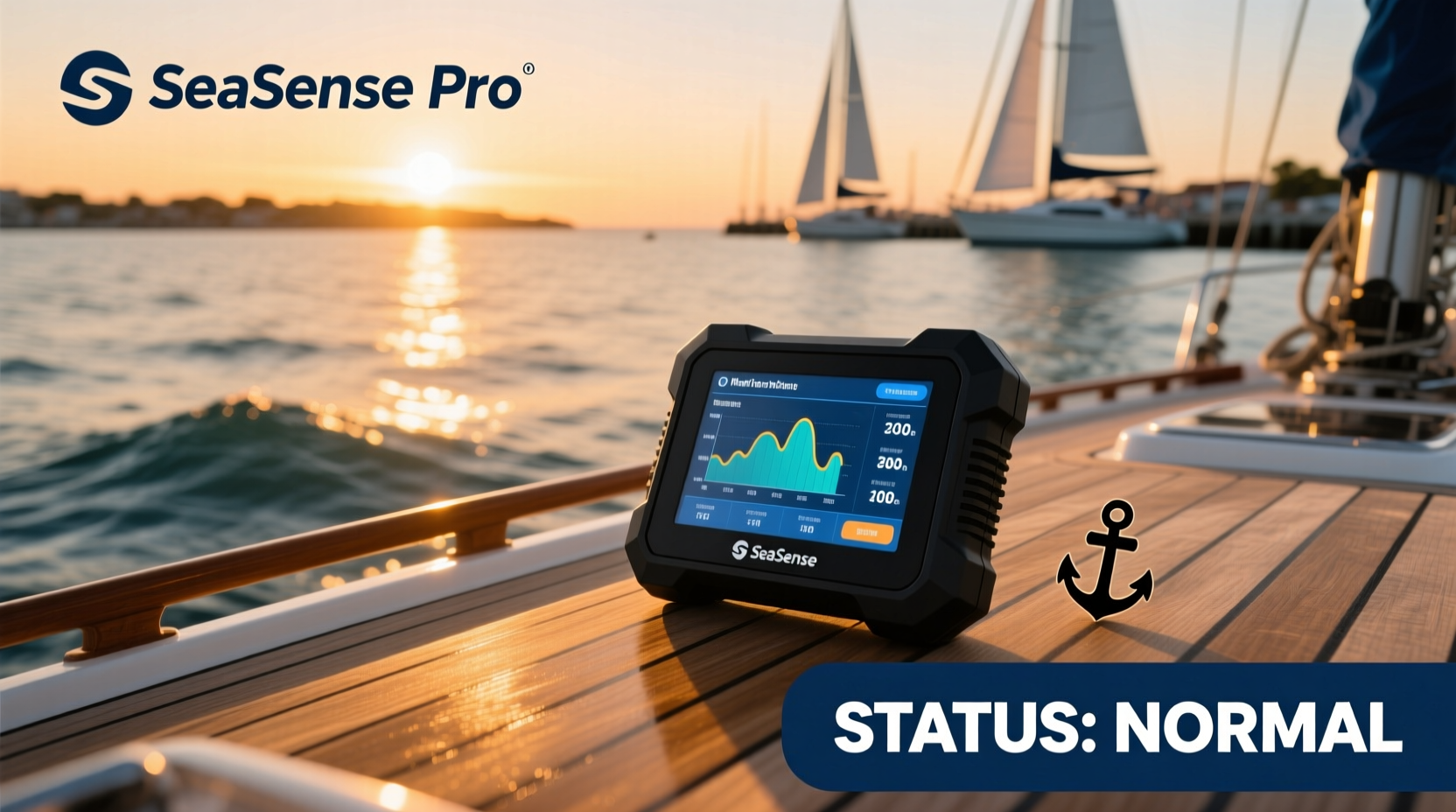
Modern marine engines—especially those with electronic fuel injection (EFI) or digital controls—rely heavily on onboard computers. These systems generate error codes when something goes wrong, just like a car’s “check engine” light. But unlike cars, boats often lack standardized interfaces, making diagnostics trickier. Without proper tools, you’re left guessing whether a rough idle stems from a clogged injector, a failing sensor, or a wiring issue.
Early detection through diagnostics prevents minor glitches from becoming major repairs. For example, a failing alternator might only show symptoms under load. A voltage drop detected during a routine scan could save you from being stranded with a dead battery miles from shore. Similarly, monitoring fuel trim data over time can reveal inefficiencies before they impact performance or fuel economy.
“Boat owners who use diagnostic tools regularly cut their repair costs by up to 30% over five years.” — Captain Mark Reynolds, Marine Systems Consultant
Top Affordable & Reliable Diagnostic Tools
Not all diagnostic tools are created equal. Some are brand-specific, while others support multiple manufacturers. Below is a comparison of five widely used, cost-effective options trusted by both DIYers and marine technicians.
| Tool Name | Price Range | Compatibility | Key Features | User Skill Level |
|---|---|---|---|---|
| Silmarin USB Interface + Software | $150–$200 | Mercury, Cummins, Volvo Penta | Real-time data logging, fault code reading, firmware updates | Intermediate |
| Actisense NMEA Reader | $180–$220 | NMEA 2000 networks (multi-brand) | Traffic monitoring, PGN decoding, compatibility with third-party apps | Beginner to Intermediate |
| MercMonitor (by Mercury Marine) | Free app + $99 adapter | Mercury outboards only | Live engine data, trip logs, fault code alerts via smartphone | Beginner |
| Yamaha Marine Diagnostic System (YMDS) | $250 (kit) | Yamaha outboards | Full dealer-level diagnostics, recalibration support | Intermediate |
| Simrad GO Series Multifunction Displays | $600+ (with built-in diagnostics) | Supports NMEA 2000 devices | Integrated engine monitoring, GPS, sonar, alarms | All levels |
While high-end MFDs (Multifunction Displays) like Simrad or Garmin offer excellent integration, entry-level adapters paired with free or low-cost software provide powerful functionality at a fraction of the price. For instance, pairing a Silmarin cable with open-source software like *NMEA Reader* or *Mercury’s Service Software* unlocks deep system insights without requiring a dealership visit.
Tip: Always verify tool compatibility with your engine make, model, and year before purchasing. Firmware versions matter.Step-by-Step: Using a Diagnostic Tool Onboard
Using a marine diagnostic tool doesn’t require an engineering degree. Follow this simple process to perform a basic health check on your engine:
- Power down the engine and ensure the ignition is off.
- Locate the diagnostic port, usually near the engine control unit (ECU) or under the helm console. It resembles a small plastic plug with pins inside (often labeled J1962 for standard OBD-II, though marine variants differ).
- Connect the interface cable (USB or Bluetooth) securely to the port.
- Turn on the boat’s power (do not start the engine) to activate the ECU.
- Launch the diagnostic software on your laptop or mobile device.
- Initiate a scan to retrieve active and stored fault codes.
- Review live data streams such as coolant temperature, throttle position, oil pressure, and battery voltage.
- Clear non-critical codes if repairs have been made (only after fixing the root cause).
- Save a log file for future reference or technician review.
This routine, performed monthly or before long trips, builds a history of engine behavior and makes troubleshooting faster when problems arise.
Real Example: Preventing a Costly Engine Failure
Dave, a weekend sailor from Florida, noticed his 2018 Mercury 150HP outboard was hesitating under acceleration. Instead of taking it straight to the shop—a $150 service call minimum—he connected his $99 MercMonitor adapter to his phone. The scan revealed a P0171 code: “System Too Lean (Bank 1).”
Further inspection using live data showed inconsistent readings from the fuel pressure sensor. Dave replaced the $85 sensor himself over a weekend. Total cost: less than $100. Without diagnostics, he might have replaced spark plugs, injectors, or even brought the boat in for a full tune-up—unnecessary work that could have cost hundreds.
More importantly, catching the issue early prevented long-term damage to the pistons from lean combustion. His proactive approach saved time, money, and ensured his family’s summer vacation wasn’t ruined by mechanical failure.
Essential Checklist Before Buying a Diagnostic Tool
- ✅ Confirm compatibility with your engine brand and model
- ✅ Check required software availability (free vs. paid)
- ✅ Determine connection type: USB, Bluetooth, or Wi-Fi
- ✅ Assess whether it reads live data, not just error codes
- ✅ Look for firmware update capability
- ✅ Read user reviews focusing on reliability and customer support
- ✅ Verify if technical documentation or tutorials are available
Avoid tools that promise “universal” compatibility without specifying supported protocols. Most reliable devices adhere to NMEA 2000, J1939 (for diesels), or manufacturer-specific standards like Mercury’s BEP or Yamaha’s CAN network.
Frequently Asked Questions
Can I use a car OBD2 scanner on my boat?
Generally, no. While some modern marine engines use OBD2-like connectors, the communication protocols and pinouts often differ. Using a standard automotive scanner may fail to communicate or misread data. Marine-specific tools are designed for salt-resistant connections and correct signal interpretation.
Do I need a laptop to run diagnostic software?
It depends on the tool. Some systems, like MercMonitor or Yamaha’s mobile app, work directly with smartphones. Others, especially advanced platforms like Silmarin or Actisense, require a Windows PC for full functionality. Always check system requirements before purchase.
How often should I run diagnostics on my boat?
Perform a quick scan every month during active use. Conduct a full diagnostic check before seasonal launch, after winterization, and prior to extended trips. Immediate scanning is recommended if you notice performance changes like loss of power, unusual noises, or warning lights.
Maximizing Value: Tips for Long-Term Use
To get the most out of your investment, treat your diagnostic tool like any critical piece of onboard equipment. Store cables in a dry compartment to prevent corrosion. Keep software updated to maintain compatibility with newer engine models. Share logs with your mechanic—they’ll appreciate having historical data instead of starting from scratch.
Also consider investing in a backup power bank to run your tablet or laptop during diagnostics, especially if your boat’s battery is weak. And always label your adapter clearly; losing a proprietary cable can render the entire system useless until replaced.
“Knowledge is the best safety gear you can carry. A $200 tool that prevents a $3,000 repair pays for itself instantly.” — Lt. Commander Sarah Lin, US Coast Guard (Ret.)
Conclusion
Smooth sailing isn’t just about calm waters—it’s about confidence in your vessel’s condition. Reliable and affordable marine diagnostic tools put that confidence within reach of every boat owner. From spotting early signs of trouble to verifying repairs, these devices empower you to take control of maintenance, reduce reliance on marina services, and spend more time enjoying the water.
🚀 Start today: Identify your engine type, research compatible tools under $250, and schedule your first diagnostic scan. Your future self—and your wallet—will thank you when the open sea calls.








