
For LEGO enthusiasts, the joy of building is often matched by the frustration of disorganization. Loose bricks scattered across shelves, minifigures buried in bins, and rare pieces lost in the chaos can turn a beloved hobby into a logistical nightmare. The good news? You don’t need expensive custom cabinets or a dedicated playroom to bring order to your collection. With thoughtful planning and resourceful solutions, organizing LEGO pieces can be both affordable and sustainable—no matter the size of your stash.
Why Organization Matters Beyond Cleanliness
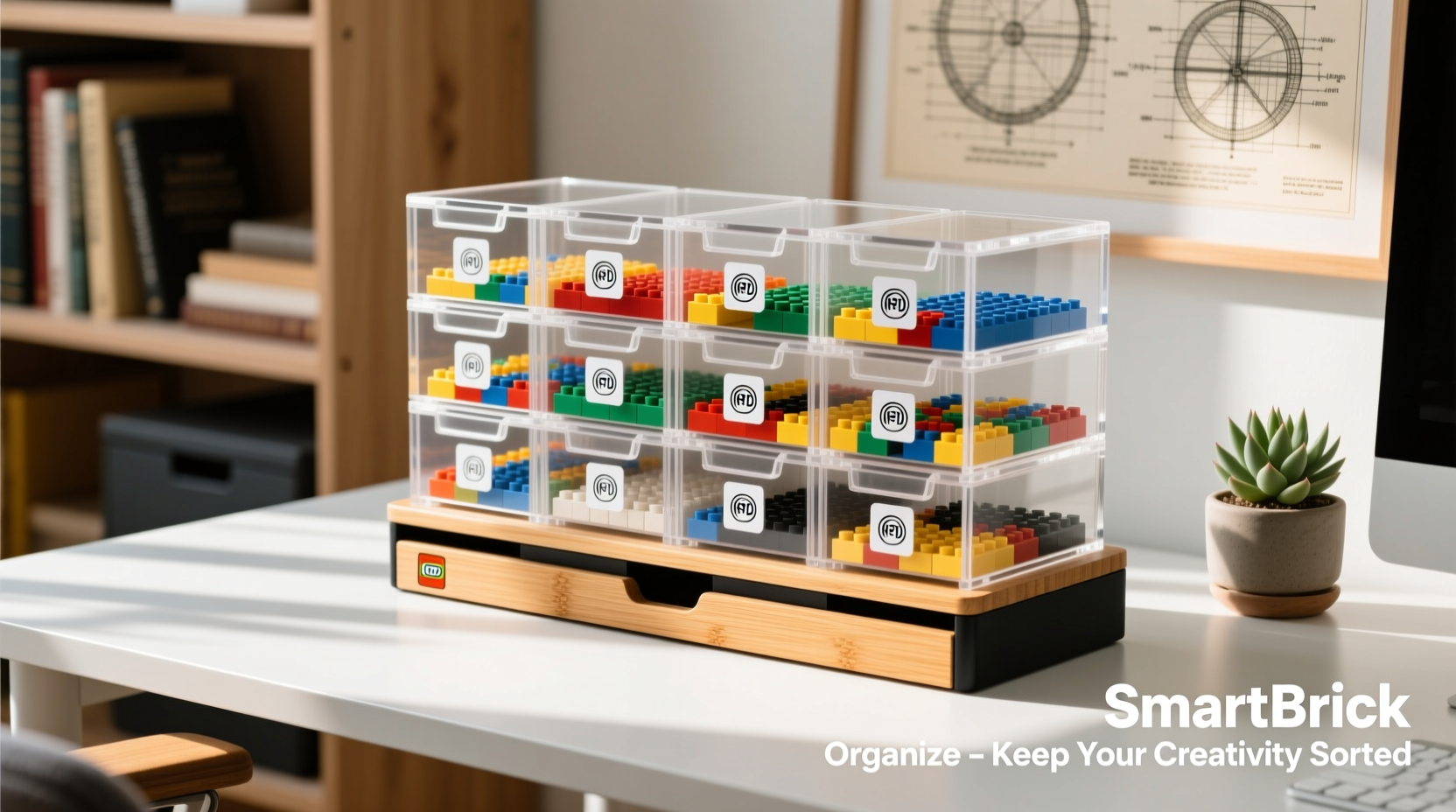
Organizing LEGO isn’t just about tidiness—it’s about accessibility, preservation, and inspiration. When pieces are easy to find, builders spend less time searching and more time creating. A well-organized system also protects delicate parts from dust, sunlight, and accidental damage. Most importantly, it fosters creativity: seeing color-sorted bricks or neatly arranged themes can spark new ideas and encourage regular use of the collection.
“An organized LEGO environment lowers the mental barrier to building. It transforms a pile of plastic into a toolbox of possibility.” — Dr. Linda Chen, Child Development Researcher & Play Specialist
Smart Sorting: The Foundation of Any System
Before investing in storage, decide how you’ll sort your pieces. The method depends on your goals: casual builders may prefer broad categories, while MOC (My Own Creation) designers benefit from granular sorting.
- By Color: Ideal for visual appeal and quick access during builds. Works best when combined with project-based containers.
- By Type: Bricks, plates, tiles, slopes, etc. Excellent for advanced builders who work with specific elements frequently.
- By Theme or Set: Keeps complete sets intact. Useful for collectors preserving original builds or displaying models.
- By Project: Temporary organization focused on active builds. Great for families or classrooms.
Affordable Storage Solutions That Scale
You don’t need branded LEGO organizers to achieve clarity. Many household and office items double as efficient, low-cost storage tools.
| Solution | Best For | Estimated Cost | Durability |
|---|---|---|---|
| Plastic pencil cases | Minifigures, small parts | $1–$3 | Moderate (zipper wear over time) |
| Ice cube trays in drawers | Color sorting small elements | $2–$5 | High (rigid plastic) |
| Repurposed spice jars | Rare pieces, trans-clear elements | Free–$0.50 each | Very high (glass) |
| Shoebox dividers + labels | Set-specific or project storage | $0 (reused materials) | Low to moderate |
| Dollar store craft bins | General sorting by category | $1 per bin | Moderate |
Stackable drawer units from office supply stores (like Sterilite or Akro-Mils) offer excellent value. A 36-drawer unit under $30 can house thousands of pieces with clear visibility. Label each drawer with printed tags or masking tape—include both text and color swatches for faster identification.
The Power of Repurposing Household Items
One of the most budget-friendly strategies is reimagining everyday objects as LEGO organizers. This approach reduces waste and encourages creative problem-solving.
- Muffin tins: Use in a drawer to separate small parts by type or color. Cover with a cloth to prevent spills.
- CD cases: Open and lay flat to display rare tiles or stickers. Secure with rubber bands.
- Egg cartons: Perfect for temporary sorting during large builds. Biodegradable option for eco-conscious builders.
- Drink dispensers: Repurpose soda fountain lids with compartments for bulk storage on shelves.
“We turned an old kitchen utensil organizer into a wall-mounted LEGO station. Each slot holds a different shape, and the kids love grabbing what they need.” — Mark Rivera, father of two young builders
Step-by-Step: Building Your System in a Weekend
Follow this realistic timeline to create an effective, low-cost organization strategy over two days.
- Day 1 – Sort & Declutter (2–3 hours): Empty all containers into a large sorting area (bed or table). Remove non-LEGO items, broken pieces, and duplicates you won’t use. Recycle damaged bricks responsibly through programs like LEGO Replay.
- Step 2 – Choose Your Method: Decide whether to sort by color, type, or theme based on your building habits.
- Step 3 – Gather Supplies: Collect free or low-cost containers from around the house or dollar stores.
- Day 2 – Assemble & Label (3–4 hours): Fill containers systematically. Use masking tape and markers for temporary labels, upgrading later if needed. Group similar containers together (e.g., all minifigure drawers in one bin).
- Final Step – Test & Refine: Start a small build using only your new system. Note any inefficiencies—maybe certain pieces are still hard to reach—and adjust accordingly.
Space-Smart Ideas for Small Rooms
Limited floor space doesn’t mean limited options. Vertical and multi-functional storage maximizes utility without sacrificing accessibility.
- Use pegboards with small baskets or cups to hold frequently used parts at arm level.
- Install shallow shelves above desks or beds—store labeled bins within easy reach.
- Utilize under-bed rolling bins for seasonal sets or larger collections.
- Mount magnetic strips for metal tools or accessories (like screwdrivers for Technic builds).
Furniture with hidden storage—such as ottomans or benches with lift-up lids—doubles as seating and LEGO containment. Place felt pads underneath to protect floors and reduce noise during access.
Checklist: Building an Affordable LEGO Organization Routine
- ✅ Audit your current collection and remove unusable pieces
- ✅ Select a primary sorting method (color, type, or theme)
- ✅ Identify 5+ repurposed or low-cost containers
- ✅ Label every container clearly
- ✅ Designate zones: sorting, building, and display areas
- ✅ Implement a weekly 10-minute tidy-up rule
- ✅ Rotate seasonal sets quarterly to refresh interest
Frequently Asked Questions
How do I keep LEGO pieces clean without damaging them?
Hand-wash small batches in lukewarm water with mild dish soap. Avoid abrasive scrubbing. Lay flat on a towel to dry—never machine wash or expose to high heat, which can warp bricks.
What’s the cheapest way to start organizing a large LEGO collection?
Begin with reused food containers (yogurt tubs, takeout boxes) and label them by broad category. Prioritize organizing pieces you use most often first. Expand gradually as you find better solutions.
Can I mix LEGO with other brands like Mega Bloks?
While they’re often compatible, mixing brands can lead to inconsistency in color, fit, and quality. For serious builders, keeping them separate ensures reliability in complex builds.
Conclusion: Build Order, Then Build Creativity
Organizing LEGO pieces doesn’t require a big budget—just intention and consistency. By leveraging everyday items, adopting smart sorting habits, and designing systems that grow with your collection, you create more than just neat shelves. You create space for imagination to thrive. Whether you're a parent managing a child’s growing stash or an adult collector curating decades of builds, a thoughtful approach pays off in saved time, reduced stress, and endless creative potential.
💬 Ready to transform your LEGO chaos into creative clarity? Start today with one bin and one category. Share your before-and-after tips in the comments and inspire others to build smarter!








