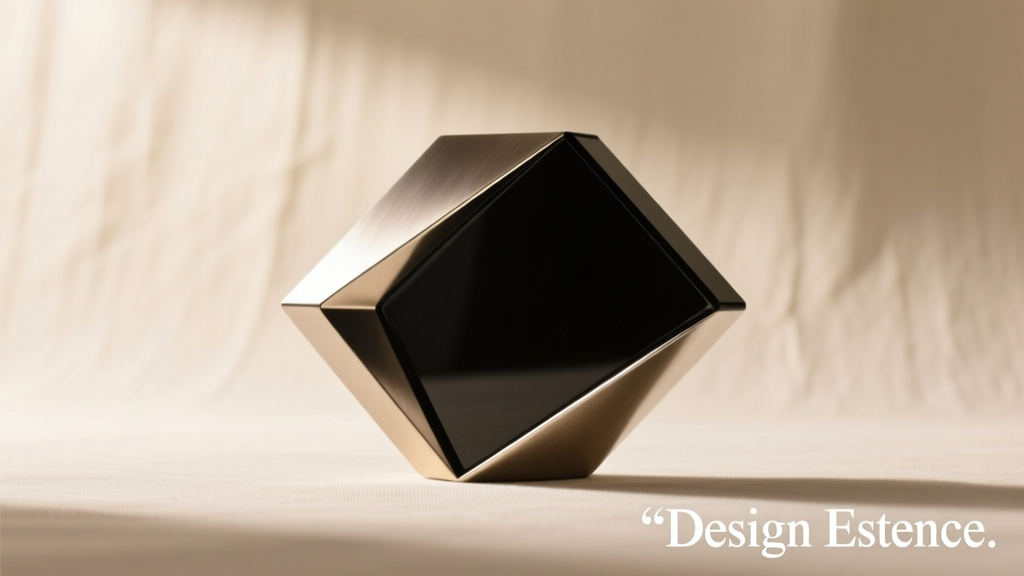
Types of OE Vehicle Plugs
An OE (Original Equipment) vehicle plug refers to specialized components used in automotive systems, often for sealing, connecting, or enhancing performance in critical areas such as engine compartments, electrical systems, or suspension units. However, based on the context provided, it appears that "OE vehicle plugs" may be a misinterpretation or creative reimagining—possibly referring instead to organic, mineral, or gemstone-based plugs used in fashion, body modification, or artistic accessories inspired by natural materials.
This guide explores four unique types of such material-based plugs—Diamond, Volcanic Glass (Obsidian), Coral, and Copper Ore—highlighting their composition, aesthetic qualities, applications, and significance in both jewelry and body art.
Diamond
Premium-grade diamond plugs, often incorporating meteoritic or rare geological specimens, are prized for their brilliance and exclusivity. These include forms such as octahedrons, cubes with transparent substrata, and iron-root structured crystals, some classified as pristine diamonds found within meteorites.
Advantages
- Extremely durable and scratch-resistant
- High visual appeal with natural sparkle
- Rarity adds collectible value
- Suitable for high-end jewelry and statement pieces
Limitations
- Very high cost due to rarity
- Limited availability, especially from meteoritic sources
- Requires expert craftsmanship for shaping
Best for: Luxury accessories, collectors, ceremonial wear, and premium body jewelry
Volcanic Glass (Obsidian)
Formed from rapidly cooled lava, obsidian is a naturally occurring volcanic glass known for its glossy finish, sharp edges, and striking color variations. Used in both ancient tools and modern design, obsidian plugs feature unique patterns and deep hues ranging from black to mahogany, gold sheen, and rainbow iridescence.
Advantages
- Smooth, polished surface ideal for wearability
- Natural beauty with one-of-a-kind patterns
- Widely available across volcanic regions
- Versatile for jewelry, piercing, and decorative art
Limitations
- Brittle and prone to chipping if impacted
- Requires careful handling and storage
- May lose luster without proper maintenance
Best for: Body piercings, spiritual accessories, artistic crafts, and alternative fashion
Coral
Organically formed from marine coral reefs, coral plugs are sustainably harvested hard coral structures available in vibrant red, pink, white, and rare deep purple tones. They exhibit intricate vein-like textures and are valued for both their aesthetic and symbolic meanings in various cultures.
Advantages
- Natural, eco-conscious material when sustainably sourced
- Unique organic patterns and rich coloration
- Lightweight and comfortable for extended wear
- Popular in cosplay, medical art, and cultural jewelry
Limitations
- Purple coral is extremely rare and expensive
- Vulnerable to acid exposure and environmental damage
- Subject to trade regulations due to conservation efforts
Best for: Body piercing, ceremonial jewelry, artistic installations, and sustainable fashion
Copper Ore
Plugs crafted from copper-rich minerals like chrysocolla and azurite showcase vivid blues and greens, reflecting their natural mineral formations. These ores are often embedded in meteoric copper veins and sometimes combined with metallic elements to enhance durability and visual depth.
Advantages
- Stunning natural color gradients and textures
- Adds an earthy, artistic touch to accessories
- Believed to have grounding and healing properties
- Gains a unique patina over time, adding character
Limitations
- May oxidize and require occasional cleaning
- Softer than other stones, prone to minor scratches
- Not ideal for prolonged water exposure
Best for: Artistic body jewelry, metaphysical accessories, statement piercings, and mineral collectors
| Material | Rarity | Aesthetic Appeal | Durability | Primary Use |
|---|---|---|---|---|
| Diamond | Very Rare | Exceptional | Excellent | Luxury jewelry, collectibles |
| Volcanic Glass (Obsidian) | Common | High | Moderate | Body piercing, artistic wear |
| Coral | Rare (esp. purple) | High | Fair | Eco-fashion, medical art, cosplay |
| Copper Ore | Moderate | Very High | Good | Artistic jewelry, metaphysical use |
Expert Tip: When wearing mineral or organic plugs like coral or copper ore, avoid exposure to harsh chemicals, saltwater, or prolonged sunlight to preserve their color and integrity. Clean gently with a soft cloth and store separately to prevent scratching.
Note: While the term "OE Vehicle Plug" typically refers to factory-installed automotive components, this guide interprets the phrase creatively to explore natural material plugs used in body art and jewelry. For actual automotive OE plugs (e.g., oil drain plugs, electrical connectors), consult a vehicle service manual or OEM parts database.
Features of OE Vehicle Plugs
OE Vehicle Plugs combine innovative design, premium materials, and ergonomic engineering to deliver an exceptional wearing experience. Whether you're new to ear stretching or a seasoned enthusiast, these plugs offer a perfect balance of comfort, style, and durability. Designed with both aesthetics and functionality in mind, OE Vehicle Plugs are ideal for everyday wear and long-term use.
Comfortable to Wear
OE Vehicle Plugs are meticulously engineered for maximum comfort during extended wear. Their lightweight construction reduces strain on the earlobes, while smooth, seamless finishes prevent irritation or chafing. The ergonomic, aerodynamic shape is designed to conform naturally to the ear, minimizing pressure points and eliminating friction against the skin.
Whether worn for hours or throughout the day, these plugs provide a gentle, almost weightless sensation—ideal for sensitive skin or those gradually stretching their piercings. With OE Vehicle Plugs, comfort is never sacrificed for style, ensuring a pleasant and pain-free experience even after prolonged use.
Special Design Aesthetics
Each OE Vehicle Plug features a distinctive, artistically crafted design that enhances personal expression and individuality. Available in a wide range of styles—from minimalist elegance to intricate engravings and thematic shapes—these plugs serve as both functional jewelry and fashion statements.
Made from diverse materials such as polished metals, natural wood, hand-blown glass, and semi-precious stones, the plugs offer a spectrum of textures and visual appeal. Inlays, etchings, and custom finishes further elevate their uniqueness, allowing wearers to showcase their personality and taste with confidence.
Various Sizes Available
OE Vehicle Plugs come in a comprehensive range of sizes to accommodate different stages of ear stretching and personal preferences. From standard piercing gauges (as small as 20g or 0.8mm) to large-diameter plugs (up to 1 inch or 25mm), there’s a perfect fit for every ear.
This versatility makes them suitable for beginners and experienced stretchers alike. Whether you're transitioning to larger gauges or prefer subtle, understated jewelry, the wide size selection ensures safe, comfortable progression and a customized look. Each size is precision-crafted to maintain structural integrity and smooth insertion.
Premium, Skin-Safe Materials
Constructed from high-grade, body-friendly materials, OE Vehicle Plugs prioritize both durability and safety. Common materials include surgical-grade stainless steel (hypoallergenic and corrosion-resistant), hand-finished organic wood (lightweight and warm to the touch), polished stone (unique grain patterns and natural elegance), and shatter-resistant acrylic (vibrant colors and affordability).
Each material is carefully selected for its biocompatibility, ensuring minimal risk of allergic reactions or irritation. These materials also offer excellent resistance to heat, moisture, and daily wear, maintaining their luster and integrity over time. Whether you value the sleek modernity of metal or the earthy charm of wood, OE Vehicle Plugs deliver lasting beauty and performance.
| Feature | Material Options | Benefits |
|---|---|---|
| Comfort & Fit | Acrylic, Wood, Surgical Steel | Lightweight, smooth edges, reduced ear fatigue |
| Design Variety | Glass, Stone, Metal, Wood | Engravings, inlays, themed shapes, customizable finishes |
| Size Range | All materials | 0.5mm to 25mm (20g to 1") – suitable for all stretching stages |
| Skin Safety | Surgical Steel, Organic Wood, Borosilicate Glass | Hypoallergenic, non-porous, easy to clean, ideal for sensitive skin |
Why Choose OE Vehicle Plugs?
Note: Always ensure proper hygiene and correct sizing when inserting or stretching with OE Vehicle Plugs. Avoid forcing plugs into unhealed piercings. Clean regularly with mild soap and water or appropriate jewelry cleaners based on material type. For best results and safety, progress gradually when increasing gauge size to prevent tearing or blowouts.
What to Consider When Purchasing OE Vehicle Plugs
Selecting the right OE (Original Equipment) vehicle plugs—commonly used in automotive body, electrical, and fluid system applications—requires careful evaluation of material, size, design, and durability. These components play a crucial role in protecting vehicle systems from dust, moisture, and debris, ensuring long-term performance and safety. Below are key considerations to guide your purchasing decisions.
Material
The choice of material significantly impacts the plug's performance, longevity, and compatibility with vehicle systems. OE vehicle plugs are manufactured from a variety of materials, each suited to specific environments and functional needs.
- Rubber and Silicone: Excellent for sealing against moisture and vibration; ideal for electrical connectors and under-hood applications due to heat and chemical resistance.
- Thermoplastic Elastomers (TPE): Combine flexibility with durability, commonly used in plug caps for wiring harnesses and fluid reservoirs.
- Stainless Steel or Anodized Aluminum: Used in high-stress or high-temperature zones (e.g., exhaust or chassis components) for superior strength and corrosion resistance.
- Engineered Plastics (Nylon, ABS): Lightweight and resistant to UV and impact; frequently used in exterior body plugs and trim applications.
Key consideration: Always match the material to the operating environment—consider exposure to oil, coolant, extreme temperatures, and road salts.
Size and Fitment
Precise sizing is essential for effective sealing and retention. A plug that is too small may dislodge or leak, while an oversized plug can damage surrounding components during installation.
- Measure the diameter and depth of the receptacle accurately using calipers or manufacturer specifications.
- Verify the gauge or metric size (e.g., M6, M8, 10mm) to ensure compatibility with threaded or press-fit openings.
- For stretched or worn openings, consider plugs with expandable seals or O-rings for a secure fit.
- Consult OEM part numbers or vehicle-specific fitment guides to ensure exact match.
Pro tip: Use a plug sizing chart or digital catalog with vehicle make, model, and year filters to avoid errors.
Design and Functionality
The design of OE vehicle plugs goes beyond aesthetics—it directly influences ease of installation, environmental protection, and serviceability.
- Threaded vs. Snap-In: Threaded plugs offer superior retention in high-vibration areas; snap-in designs allow for quick installation in accessible locations.
- Sealing Features: Look for integrated gaskets, O-rings, or lip seals that enhance waterproofing and dust resistance.
- Color-Coding and Markings: Facilitate quick identification during maintenance or diagnostics (e.g., red for high-voltage, blue for coolant).
- Ventilation or Pressure Relief: Some plugs include micro-vents to equalize pressure while blocking contaminants—ideal for transmission or differential housings.
Critical factor: Choose designs that support tool-free removal when frequent access is required.
Durability and Longevity
Durable plugs reduce maintenance frequency and prevent system failures caused by contamination or fluid loss.
- High-quality materials resist cracking, warping, and degradation from UV exposure, ozone, and automotive fluids.
- OEM-grade plastics and metals maintain integrity over 100,000+ miles under normal operating conditions.
- Corrosion-resistant coatings (e.g., zinc plating, powder coating) extend service life in coastal or winter climates.
- Reinforced edges and impact-resistant construction prevent damage during servicing.
Technical note: Premium OE plugs often undergo salt spray, thermal cycling, and pull-out force testing to validate reliability.
Professional Recommendation: When replacing OE vehicle plugs, prioritize OEM-specified or certified aftermarket equivalents. These components are engineered to meet original performance standards, ensuring compatibility and long-term reliability. Avoid generic or unbranded plugs in critical systems such as engine bays, electrical junctions, or fluid reservoirs, where failure could lead to costly damage.
| Application | Recommended Material | Design Features | Lifespan (Typical) |
|---|---|---|---|
| Electrical Connector Seals | Silicone or TPE | Waterproof gasket, snap-fit | 8–12 years |
| Fluid Reservoir Caps | Engineered Plastic (Nylon) | Ventilated, pressure-relief valve | 7–10 years |
| Chassis and Frame Plugs | Stainless Steel or UV-stabilized ABS | Threaded or press-fit, corrosion-resistant | 10+ years |
| Body Panel Trim Plugs | Thermoplastic Rubber (TPR) | Color-matched, flexible retention | 5–8 years |
Additional Considerations
- OEM Certification: Look for plugs that meet or exceed OEM specifications (e.g., ISO, SAE, or manufacturer-specific standards).
- Temperature Range: Ensure the plug can withstand operating temperatures from -40°C to +150°C, especially under the hood.
- Chemical Resistance: Confirm compatibility with oils, coolants, brake fluids, and cleaning agents.
- Inventory Management: Standardize on common sizes and types to streamline service operations and reduce stock complexity.
- Environmental Compliance: Choose recyclable or RoHS-compliant materials to support sustainability goals.
How to DIY OE Vehicle Plug Installation: A Complete Guide
Installing an Original Equipment (OE) vehicle plug is a common modification for enthusiasts looking to enhance engine performance, improve diagnostics, or restore factory functionality. Whether you're upgrading sensors, installing tuning plugs, or replacing worn components, proper installation ensures reliability and safety. This comprehensive guide walks you through each step—from gathering materials to final reassembly—with expert tips, safety precautions, and best practices to help you complete the job efficiently and correctly.
Safety Warning: Always disconnect the battery before working on electrical components. Allow the engine to cool completely before beginning any work to avoid burns. Work in a well-ventilated area and wear protective gloves and eyewear to prevent injury from sharp edges or unexpected electrical contact.
Step 1: Gather All Necessary Materials and Tools
Preparation is key to a smooth installation. Assemble all required components and tools before starting to avoid interruptions and ensure a professional result.
- OE Vehicle Plug: Ensure compatibility with your vehicle’s make, model, and year. Verify it's the correct type (e.g., tuning plug, sensor plug, delete plug).
- Adhesive or Sealant (if required): High-temperature dielectric grease or waterproof electrical sealant to protect connections from moisture and corrosion.
- Basic Hand Tools:
- Insulated screwdrivers (Phillips and flathead)
- Adjustable wrench or socket set
- Trim removal tools (to avoid scratching interior panels)
- Additional Supplies:
- Electrical contact cleaner
- Zip ties for wire management
- Owner’s manual or wiring diagram (for reference)
Pro Tip: Take photos of the original setup before disassembly. This visual reference helps during reinstallation and troubleshooting.
Step 2: Remove Existing Components Safely
Careful removal of existing parts prevents damage to surrounding systems and ensures a clean workspace for the new plug.
- Turn off the ignition and disconnect the negative terminal of the battery to prevent electrical shorts.
- Locate the existing OE tuning plug or sensor—common locations include the engine bay, dashboard harness, or transmission housing.
- Gently disconnect any electrical connectors by pressing the release tab and pulling straight apart. Avoid yanking wires.
- Use appropriate tools to remove mounting screws or clips securing the plug. Keep fasteners organized.
- If the plug is near hot components (e.g., exhaust manifolds), allow the engine to cool for at least 1–2 hours before proceeding.
- Label wires or connectors if multiple plugs are present to avoid confusion during reassembly.
Caution: Never force a connector apart. If stuck, apply gentle wiggling motion while pressing the release mechanism. Forcing can break internal pins or damage insulation.
Step 3: Install the New OE Vehicle Plug
Proper installation ensures secure connectivity and long-term reliability under various driving conditions.
- Inspect the new plug for damage or manufacturing defects before installation.
- Apply a small amount of dielectric grease to the connector pins (if recommended) to prevent corrosion and ease future removal.
- Align the plug carefully with the mounting location and insert it by hand to ensure correct orientation.
- Secure the plug using the provided hardware. Use a wrench only to snug the fastener—do not overtighten, as this can strip threads or crack housing.
- Reconnect the wiring harness firmly until you hear a distinct click, indicating a secure lock.
- Verify that no wires are pinched, stretched, or exposed to heat sources.
| Installation Step | Key Action | Common Mistakes | Recommended Tool |
|---|---|---|---|
| Preparation | Verify plug compatibility and gather tools | Using incorrect plug model | Owner’s manual, multimeter |
| Removal | Disconnect battery and unplug safely | Breaking connector tabs | Trim tool, screwdriver |
| Installation | Hand-tighten, then secure with wrench | Overtightening or misalignment | Torque wrench (if specified) |
| Testing | Reconnect battery and verify function | Skipping system check | OBD2 scanner, test light |
Step 4: Reinstall Removed Parts and Finalize Setup
Restoring the vehicle to its operational state is crucial for safety and performance.
- Reattach any panels, covers, or brackets removed during access.
- Secure loose wires with zip ties, ensuring they are away from moving parts or heat sources.
- Reconnect the battery and double-check all connections.
- Start the engine and monitor for warning lights or error codes.
- Use an OBD2 scanner (if available) to confirm the plug is recognized by the ECU.
- Take a short test drive to verify normal operation under real-world conditions.
Expert Tip: After installation, check the plug and connections again after 50–100 miles. Vibration and thermal cycling can sometimes loosen fittings over time.
Additional Recommendations
- Keep the old plug in case you need to revert to stock configuration.
- Document the installation date and part number for future maintenance records.
- Regularly inspect the plug during routine engine checks for signs of wear or moisture ingress.
- If your vehicle has onboard diagnostics, clear any stored codes after installation.
- Consult a professional mechanic if you encounter persistent error messages or performance issues.
Installing an OE vehicle plug correctly enhances your vehicle’s functionality and can contribute to improved performance and reliability. By following these detailed steps and safety guidelines, you can confidently complete the job yourself. Remember: when in doubt, refer to your vehicle’s service manual or seek assistance from a qualified technician to ensure optimal results and long-term safety.
Frequently Asked Questions About OE Vehicle Plugs
Q1: What are OE vehicle plugs made of?OE (Original Equipment) vehicle plugs are crafted from a variety of high-quality materials, each selected for its unique combination of durability, safety, and visual appeal. Common materials include:
- Stainless Steel: Resistant to corrosion and ideal for sensitive skin; often used in hypoallergenic jewelry.
- Acrylic: Lightweight and available in a wide range of colors and finishes, making it popular for fashion-forward designs.
- Wood: Offers a natural, organic look and feel; commonly used in artisanal or custom plugs but requires careful maintenance.
- Stone: Includes materials like jade, obsidian, or agate, prized for their elegance and cool texture against the skin.
These materials are chosen not only for their aesthetic qualities but also for their biocompatibility, ensuring comfort during extended wear and minimizing the risk of irritation or allergic reactions.
Q2: Can OE vehicle plugs be used for stretched piercings?Yes, OE vehicle plugs are specifically designed to accommodate stretched ear piercings. They are available in a wide range of gauges—from standard sizes like 16g and 14g to larger diameters such as 0g, 00g, and beyond—making them suitable for various stages of ear stretching.
To ensure safe and comfortable use:
- Always match the plug’s diameter precisely to your current piercing size to avoid tearing or discomfort.
- Avoid downgrading suddenly after prolonged wear at a larger size, as this can cause irritation.
- If you're still in the process of stretching, use appropriate tapers and allow sufficient healing time before switching to a new plug size.
Due to their precise engineering and smooth finishes, OE plugs provide a secure fit and reduce the risk of snagging, making them ideal for daily wear.
Q3: How to clean OE vehicle plugs?Proper cleaning is essential to maintain hygiene, prevent infections, and extend the lifespan of your OE vehicle plugs. The method varies slightly depending on the material:
- General Cleaning: Use warm water and mild, fragrance-free soap. Gently scrub with a soft toothbrush to remove buildup, then rinse thoroughly and dry with a lint-free cloth.
- For Stainless Steel & Acrylic: These materials are non-porous and can withstand regular washing. Avoid harsh chemicals or alcohol-based cleaners that may dull acrylic surfaces.
- For Wood & Stone: Wipe with a slightly damp cloth—never soak. Excess moisture can cause wood to crack or warp and may damage stone sealants. After cleaning, apply a small amount of food-grade mineral oil to wooden plugs occasionally to preserve their finish.
Clean your plugs every 1–2 weeks, or more frequently if worn daily or exposed to sweat, makeup, or environmental pollutants.
Q4: How to store OE vehicle plugs?Correct storage helps protect your OE vehicle plugs from physical damage, discoloration, and contamination. Follow these best practices:
- Environment: Keep plugs in a cool, dry place away from direct sunlight, which can fade colors and degrade organic materials like wood and certain stones.
- Protection: Store each plug in a soft fabric pouch, jewelry box, or padded case to prevent scratches, especially for softer materials like acrylic or polished stone.
- Separation: Store different materials separately to avoid cross-contamination or abrasion (e.g., metal scratching acrylic).
- Travel Tips: When on the go, use a hard-sided travel case to prevent crushing or loss.
Proper storage not only maintains appearance but also ensures your plugs remain safe and ready for wear.
Q5: What is the function of OE vehicle plugs?OE vehicle plugs serve both functional and aesthetic purposes as a form of ear piercing jewelry. Their primary functions include:
- Style & Self-Expression: Available in diverse shapes, materials, and finishes, they allow wearers to showcase individuality and personal fashion sense.
- Piercing Maintenance: Once an ear lobe has been stretched, wearing a plug helps maintain the enlarged size and prevents the hole from shrinking.
- Comfort & Safety: Made from high-quality, body-safe materials, OE plugs are designed for prolonged wear with smooth edges and balanced weight distribution to minimize irritation.
- Health Promotion: Using non-porous, hypoallergenic materials reduces the risk of infection and allergic reactions, supporting long-term ear health.
Whether worn for cultural, fashion, or personal reasons, OE vehicle plugs combine practicality with artistic design, making them a trusted choice for piercing enthusiasts.