
For years, thrifting has been a go-to strategy for budget-conscious shoppers, eco-aware consumers, and fashion enthusiasts hunting for unique finds. But as we move deeper into 2025, many are asking: has the golden era of bargain hunting come to an end? With resale platforms booming, influencers flipping vintage tees for hundreds, and local thrift stores raising prices weekly, the affordability of secondhand shopping is under serious scrutiny.
The reality is nuanced. While thrifting remains more cost-effective than buying new in most cases, the landscape has shifted dramatically. What was once a niche practice rooted in necessity and sustainability has transformed into a global retail trend—driving up demand, altering supply chains, and inflating prices on certain items. Whether thrifting is still “affordable” today depends on where you shop, what you’re looking for, and how strategically you approach the hunt.
The Rise of Resale: From Bargain Bins to Bid Wars
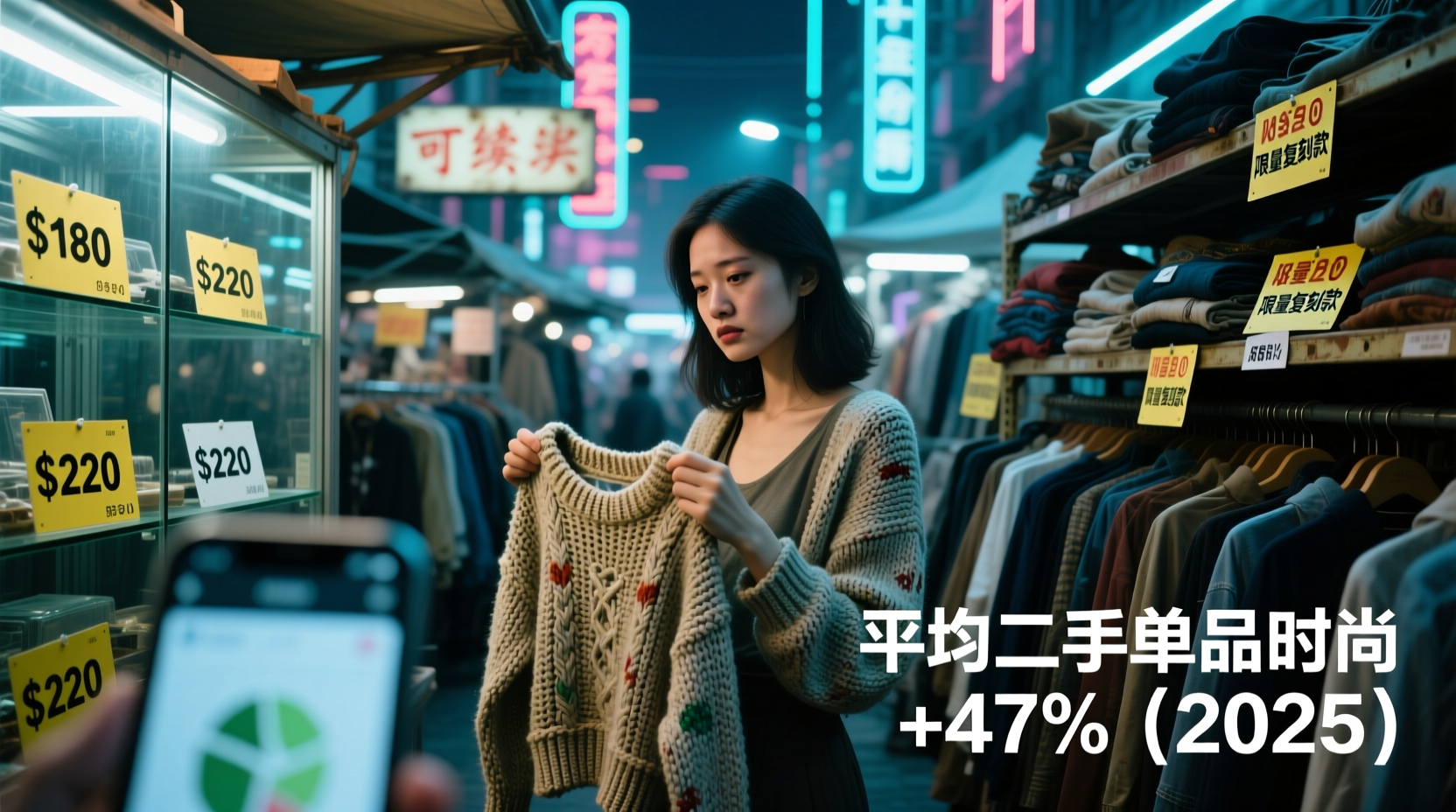
In the early 2010s, walking into a thrift store often meant finding designer jeans for $5 or a wool coat for $10. Today, those same items might be listed online for ten times that amount. The explosion of resale platforms like Poshmark, ThredUp, Depop, and Vestiaire Collective has turned secondhand clothing into a competitive marketplace. According to a 2024 report by GlobalData, the secondhand apparel market is projected to reach $71 billion by 2027—nearly double its 2021 value.
This growth is driven by several factors: Gen Z’s preference for sustainable fashion, increased awareness of fast fashion’s environmental toll, and social media’s role in turning vintage pieces into status symbols. A single Y2K band tee or vintage Levi’s jacket can now sell for over $200 if tagged with the right influencer endorsement or linked to a trending aesthetic.
But while high-demand vintage items have seen price surges, everyday staples—basic tees, work pants, children’s clothes—remain relatively accessible. The key difference in 2025 is not that all thrifted goods are expensive, but that pricing has become highly segmented.
“Thrifting isn’t dead—it’s just no longer uniformly cheap. The market has stratified, with luxury vintage commanding premium prices while basic wearables stay within reach.” — Dr. Lena Patel, Sustainable Fashion Researcher at Cornell University
Why Thrift Prices Have Increased
Several interrelated forces have contributed to the rising cost of secondhand goods:
- Increased Demand: More people are thrifting, not just out of necessity but as a lifestyle choice. This surge in foot traffic drives competition and pushes prices upward.
- Reseller Culture: Professional resellers comb thrift stores daily, snapping up undervalued items to flip online. This reduces inventory for casual shoppers and skews availability toward higher-priced curated selections.
- Donation Shortages: Despite growing interest in thrifting, actual donations to charities like Goodwill and Salvation Army have declined since 2023 due to shifting consumer habits and reduced textile recycling infrastructure.
- Retail Inflation Spillover: Even nonprofit thrift stores face operational cost increases—rent, utilities, labor—which they pass on through modest price hikes.
- Algorithmic Pricing: Online resale platforms use dynamic pricing models similar to airlines or ride-sharing apps, adjusting prices based on search volume, seasonality, and buyer behavior.
Affordability Check: Where You Shop Matters Most
Not all thrift experiences are created equal. The affordability of thrifting in 2025 largely depends on your location, preferred shopping method, and item category. Below is a breakdown of common secondhand shopping channels and their current cost-effectiveness.
| Shopping Channel | Average Price Range (Clothing) | Best For | Affordability Rating (1–5) |
|---|---|---|---|
| Local Charity Thrift Stores (Goodwill, Salvation Army) | $3–$25 | Basics, outerwear, shoes | ★★★★☆ |
| Consignment Stores (local) | $15–$80 | Branded apparel, quality denim | ★★★☆☆ |
| Online Resale Platforms (Poshmark, Depop) | $20–$200+ | Vintage, designer, rare items | ★★☆☆☆ |
| Thrift Pop-Ups & Flea Markets | $10–$60 | Statement pieces, accessories | ★★★☆☆ |
| Garage Sales & Estate Sales | $1–$30 | Furniture, household goods, bulk buys | ★★★★★ |
The table reveals a crucial insight: offline, community-based options remain the most affordable. Garage sales and estate sales, often overlooked, continue to offer some of the best deals—especially for families or those furnishing a home on a budget. Meanwhile, online platforms, while convenient, tend to prioritize curation and profit margins over low-cost access.
Real Example: How One Shopper Navigated 2025’s Thrift Market
Meet Jasmine, a 28-year-old teacher in Portland, Oregon, who relies on secondhand shopping to maintain her wardrobe without exceeding a $100 monthly clothing budget. In 2020, she could easily fill her closet at her local Goodwill. By 2024, she noticed fewer quality items and higher prices—especially on jeans and jackets.
Her solution? She adapted her strategy. Instead of relying solely on one store, she began visiting smaller nonprofit thrift shops outside the city center, joined a neighborhood buy-nothing group, and started attending bi-monthly estate sales advertised on Facebook. She also set up saved searches on Poshmark with strict price caps ($25 max) and only checked them during holiday weekend sales.
Within three months, Jasmine rebuilt her system. She found a wool blazer for $8 at a church sale, scored a winter coat for $15 at a rural thrift store, and traded a pair of boots for a dress through a local clothing swap. Her total spending for the season? $72. “It takes more effort now,” she says, “but thrifting is still possible—if you’re willing to be creative.”
Smart Strategies to Keep Thrifting Affordable in 2025
Thrifting isn’t dead, but it does require a smarter, more intentional approach. Here are actionable steps to help you maintain affordability:
- Shop Off-Peak: Avoid weekends and holidays when resellers and browsers flood stores. Tuesdays and Wednesdays are typically slower, with fresher stock.
- Explore Underserved Areas: Thrift stores in lower-income neighborhoods or suburban towns often have lower prices and less competition.
- Join Free-Cycle Networks: Platforms like Buy Nothing, Freecycle, or Craigslist Free Stuff offer true zero-cost options.
- Time Your Donations: Some stores offer discount days (e.g., 50% off for donors on specific days). Use these strategically.
- Master Online Filters: On resale sites, use precise keywords, set maximum prices, and enable alerts for new listings.
- Trade or Swap: Organize or attend clothing swaps with friends or community groups to refresh your wardrobe without spending.
- Focus on Need vs. Want: Prioritize essential items (socks, underwear, workwear) over trendy collectibles that may lose value quickly.
Checklist: How to Thrift Affordably in 2025
- ☐ Define a clear shopping list (avoid aimless browsing)
- ☐ Identify 2–3 low-competition thrift locations near you
- ☐ Set price limits per category (e.g., $10 max for tops)
- ☐ Sign up for free-cycle or swap groups in your area
- ☐ Schedule thrift trips during off-peak hours
- ☐ Use app filters and saved searches to automate deals
- ☐ Inspect every item for damage before purchasing
- ☐ Repair or alter items to extend their life and value
FAQ: Common Questions About Thrifting in 2025
Has the average price of thrift store clothing doubled since 2020?
Not across the board. While select categories like denim, outerwear, and vintage have seen 50–100% increases depending on location, basic apparel (t-shirts, socks, sleepwear) has risen more modestly—around 20–30%. Nonprofit stores still cap most items under $15.
Are online thrift platforms worth it for budget shoppers?
They can be, but only with discipline. Without filters and alerts, it’s easy to overspend on impulse buys. For best results, treat platforms like Poshmark or Depop as supplemental tools—not primary sources—and always compare prices to retail alternatives.
Can I still thrift effectively on a tight budget?
Absolutely. The fundamentals of thrifting—patience, persistence, and prioritization—still apply. Focus on community-based options, embrace slow shopping (one item per trip), and leverage free exchange networks. Affordability isn’t gone; it’s just relocated to less visible corners of the market.
Conclusion: Thrifting Isn’t Dead—It’s Evolving
The idea that thrifting is no longer affordable in 2025 is only partially true. Yes, the wild west days of $3 designer blazers are largely behind us, especially in urban centers and online marketplaces. But affordability hasn’t disappeared—it’s simply moved to different spaces and requires more intentionality to access.
Thrifting today rewards the informed, the patient, and the resourceful. It’s no longer enough to walk into a store and grab whatever’s on the rack. Success now comes from knowing when to go, where to look, and how to leverage community networks. The core values of sustainability, frugality, and individuality remain intact—even if the process has gotten slightly more complex.
Instead of mourning the loss of ultra-cheap finds, consider this shift an invitation to deepen your relationship with clothing. Learn mending, appreciate craftsmanship, and support local reuse initiatives. Thrifting isn’t just about saving money; it’s about redefining value in a throwaway culture.
💬 What’s your best thrift find of 2025—or your biggest frustration? Share your story in the comments and help build a smarter, more sustainable secondhand community.








