In recent years, Korean and Japanese fashion aesthetics have captivated global audiences—not just for their minimalist silhouettes and thoughtful design, but also for the cultural philosophy behind them. From sleek hairpins inspired by Edo-era elegance to modern streetwear-inspired phone straps, accessories from these regions offer a unique blend of tradition and trend-forward innovation. But many assume that authentic, high-quality pieces come with premium price tags. That’s not always true. With the right strategies, you can build a curated collection of stylish, durable accessories without draining your wallet.
Understand What Makes These Accessories Unique
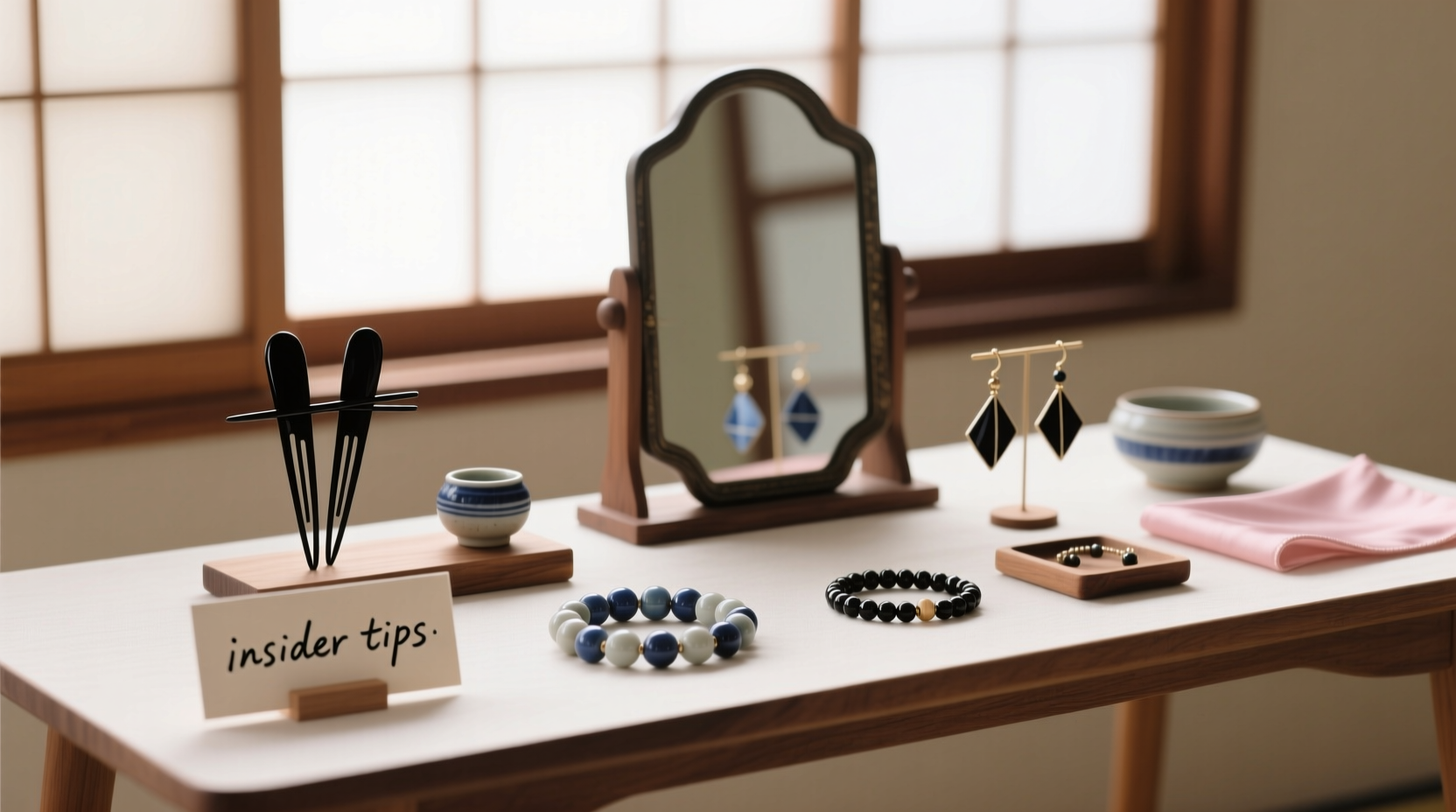
Korean and Japanese accessories stand out due to their emphasis on craftsmanship, subtlety, and functionality. In Japan, the concept of *wabi-sabi*—finding beauty in imperfection and transience—often influences accessory design, favoring muted tones, natural materials, and clean lines. Meanwhile, Korean accessories reflect *jeong*, an emotional connection to objects, often seen in personalized charms, delicate jewelry, and thoughtfully packaged items.
Quality doesn’t always mean expensive. Many small studios in Seoul and Kyoto produce limited-run accessories using traditional techniques like hand-dyeing, lacquer work, or ceramic detailing—but sell directly to consumers at accessible prices. The key is knowing where to look and what to prioritize.
Tip: Focus on material composition and stitching details rather than brand names—many unbranded artisans produce superior work.Shop Direct from Regional Marketplaces
One of the most effective ways to access affordable yet high-quality accessories is bypassing Western retailers and sourcing directly from regional platforms. Sites like Qoo10 (Japan/Korea), Gmarket, and Rakuten Japan host thousands of independent sellers offering accessories at factory-direct pricing.
These marketplaces often feature customer reviews in English, secure payment options, and international shipping. Some even run seasonal clearance events—like Gmarket’s “K-Fashion Week”—where you can find silk hanbok hair clips or stainless steel furoshiki rings at 50–70% off.
To maximize savings:
- Use browser extensions like Rakuten Global or Borderfree to estimate final costs including duties.
- Look for sellers with “Excellent Seller” badges and 95%+ positive feedback.
- Filter by “International Shipping Available” and sort by lowest price + shipping.
“Many Japanese accessory makers avoid Western distributors to maintain creative control—this means lower markups for buyers who shop locally.” — Aiko Tanaka, Tokyo-based fashion curator
Identify Quality Without Paying Luxury Prices
You don’t need designer labels to get durable, beautiful accessories. Instead, learn to spot signs of craftsmanship:
| Feature | High-Quality Indicator | Budget-Friendly Alternative |
|---|---|---|
| Metal Components | Surgical-grade stainless steel or brass | Nickel-free alloy with anti-tarnish coating |
| Fabric Trims | Handwoven ramie or silk blends | Organic cotton with indigo dye finish |
| Stitching | Even tension, double-stitched seams | No loose threads; reinforced stress points |
| Packaging | Recycled washi paper, branded boxes | Minimalist wrapping with care card included |
A well-made resin hairpin from a Busan-based Etsy seller might cost $12 but use molds originally developed for luxury boutiques. Similarly, a Japanese enamel pin set from a Fukuoka indie artist may retail for under $15 because they skip mass production and advertising overhead.
Mini Case Study: How Lena Built a Capsule Accessory Wardrobe for Under $100
Lena, a university student in Vancouver, wanted to incorporate more K-style layering into her wardrobe but had a tight budget. Over three months, she spent $97.45 building a versatile accessory kit:
- $14 – Set of 5 geometric bobby pins (via Qoo10 Korea, free shipping)
- $22 – Adjustable minimalist ring stack (from a Seoul-based Instagram boutique)
- $18 – Foldable fabric face mask with cherry blossom print (Rakuten Japan)
- $11 – Reusable cloth pouch with tenugui pattern (Gmarket sale item)
- $32.45 – Handmade ceramic earrings (Etsy seller in Kyoto)
By focusing on neutral designs and multi-use items, Lena created over 20 distinct looks. More importantly, after six months of regular use, all pieces remained in excellent condition—proof that affordability doesn’t require compromise.
Timing Matters: When to Buy for Maximum Value
Just like in fashion capitals, accessory pricing follows seasonal rhythms. Knowing when to buy can unlock significant savings:
- January–February: Post-holiday clearance sales in South Korea and Japan. Retailers clear inventory to make room for spring collections.
- June: Mid-year promotions align with Japan’s *natsu-bate* (summer preparation) shopping period. Look for sun hats, UV-protective scarves, and portable fans.
- November: Pre-Black Friday deals on platforms like Coupang and Zozotown. Limited-edition holiday sets launch early and often include bonus items.
Set calendar reminders for major holidays like Seollal (Korean Lunar New Year) and Golden Week (Japan), when local e-commerce sites offer site-wide discounts up to 60%.
Tip: Follow small accessory brands on Instagram or KakaoStory—they often post exclusive flash sales visible only to followers.Build a Smart Sourcing Checklist
To consistently find great value, follow this practical checklist before every purchase:
- ✅ Verify return policy for international orders
- ✅ Check if metal components are hypoallergenic
- ✅ Read at least five customer reviews with photos
- ✅ Confirm dimensions—some Korean sizes run smaller
- ✅ Look for bundled offers (e.g., scarf + matching pin)
- ✅ Prioritize shops with responsive customer service
- ✅ Save favorite sellers for repeat purchases—loyalty sometimes earns free gifts
Also consider joining niche communities like Reddit’s r/KFashion or Facebook groups such as “Korean & Japanese Accessories Lovers.” Members frequently share discount codes, warn about counterfeit sellers, and organize group buys to reduce shipping costs.
Frequently Asked Questions
Are cheap Korean/Japanese accessories durable?
Not all inexpensive accessories are low quality. Many affordable pieces are made in the same factories as higher-end brands but lack the marketing markup. Look for consistent craftsmanship cues—smooth finishes, secure clasps, and reputable sellers—to ensure longevity.
How do I avoid counterfeit items?
Stick to verified marketplaces or official social media storefronts. Avoid listings with stock photos only, no seller info, or prices significantly below average. Authentic items often include subtle branding, serial numbers, or handmade variations.
Is it worth paying extra for express shipping?
For urgent needs, yes. However, standard shipping from Korea or Japan typically takes 7–14 days and is often free on orders over $30. Use tracked mail whenever possible to monitor delivery.
Final Thoughts: Style Shouldn’t Cost a Fortune
The allure of Korean and Japanese accessories lies not in exclusivity, but in intentionality. Whether it’s a hand-painted phone charm or a reversible fabric scrunchie, these pieces celebrate detail, culture, and personal expression. You don’t need deep pockets to participate—you need smart habits.
By sourcing directly, recognizing quality markers, timing your purchases, and learning from real-world examples, you can curate a collection that feels both authentic and affordable. Start small. Test one new seller. Compare two similar products based on construction, not just price. Build confidence with each thoughtful buy.
🚀 Ready to upgrade your accessory game? Pick one tip from this guide and apply it to your next purchase—then share your find in the comments to inspire others!








