Fashion doesn’t have to come with a luxury price tag. With the right approach, you can build a wardrobe that looks like it was curated from high-end boutiques while staying firmly within a budget. Designer aesthetics—clean silhouettes, premium fabrics, and timeless cuts—are no longer exclusive to those who can afford runway prices. The key lies in strategy: knowing where to shop, when to buy, and how to identify quality imitations. Whether you're refreshing your workwear, building a capsule collection, or chasing seasonal trends, these proven methods will help you dress like a million bucks—without spending one.
1. Master the Art of Brand Dupes and Lookalikes
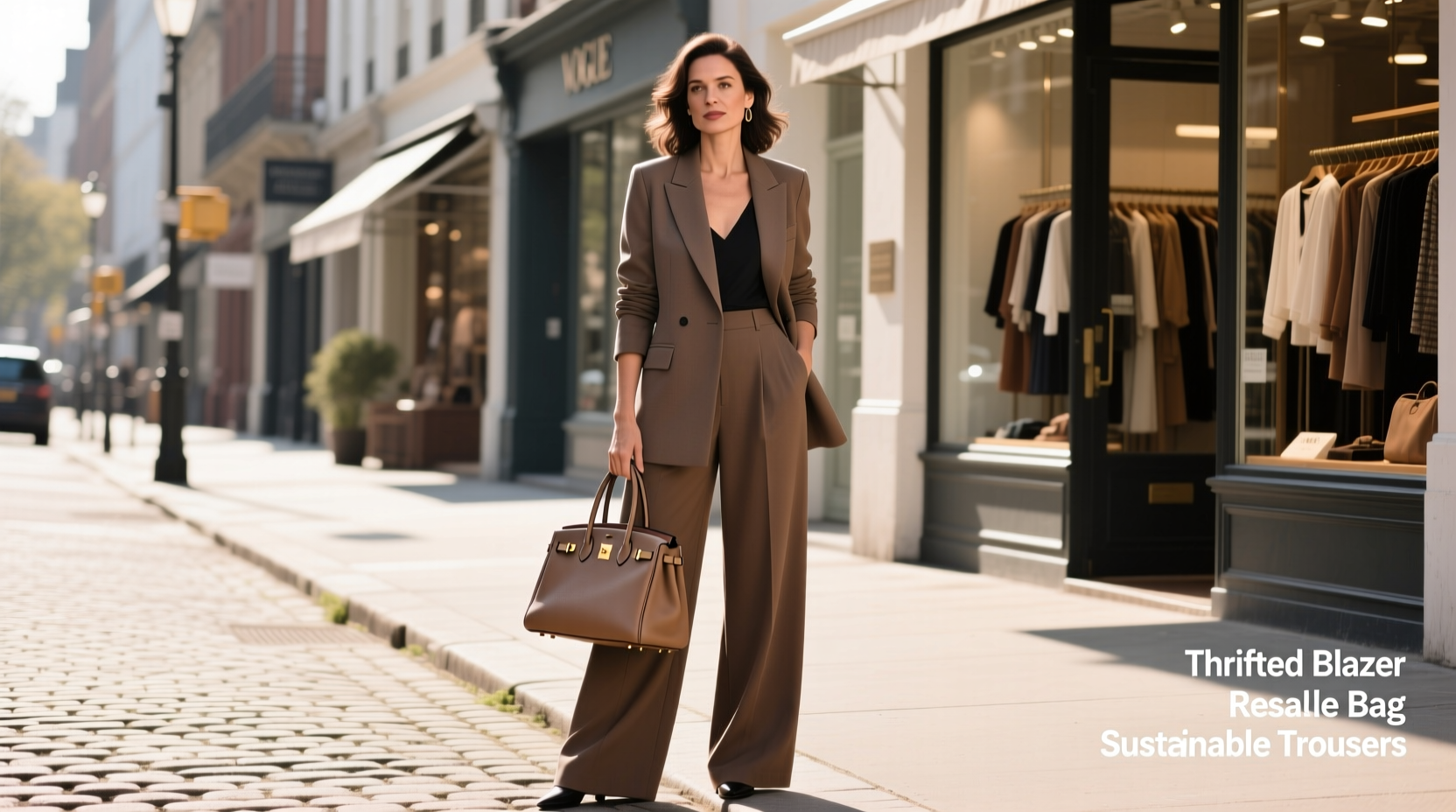
Many fast-fashion and contemporary brands quietly replicate popular designer pieces each season. While not exact replicas, these “dupes” capture the essence of high-end designs at a fraction of the cost. Brands like & Other Stories, Reformation, Massimo Dutti, and even Zara frequently mirror trends seen on runways from Celine, The Row, or Totême.
The trick is knowing how to spot them. Follow fashion week coverage and note recurring design elements—oversized blazers, square-toe boots, minimalist slip dresses. Then search for similar styles using keywords like “minimalist linen blazer,” “architectural shoulder bag,” or “sculptural heel.” Use reverse image search tools to compare details like stitching, hardware, and fabric drape.
Tip: Focus on silhouette and fabric over logos. A well-cut wool coat in a neutral tone will look expensive regardless of the label.2. Time Your Purchases Like a Pro
Designer-style fashion follows a predictable retail calendar. Understanding this rhythm lets you buy high-quality pieces at steep discounts. Here’s a breakdown of the optimal buying timeline:
- January–February: Winter clearance sales. Look for coats, knitwear, and leather goods marked down 50–70%.
- July–August: Summer markdowns. Swimwear, linen shirts, and sandals are often deeply discounted.
- Black Friday & Cyber Monday: Online retailers offer early access to holiday collections at reduced prices. Sign up for brand newsletters to get exclusive promo codes.
- End-of-season warehouse sales: Premium outlets like Nordstrom Rack, Saks Off 5th, and Neiman Marcus Last Call release inventory from past seasons, including near-identical samples of designer lines.
Additionally, many e-commerce platforms use dynamic pricing. Install browser extensions like Honey or Capital One Shopping to track price drops and receive alerts when items go on sale.
3. Shop Secondhand with a Curator’s Eye
The resale market has exploded, making pre-owned designer and designer-style clothing more accessible than ever. Platforms like ThredUp, Poshmark, Vestiaire Collective, and The RealReal offer authenticated pieces at 30–90% off retail. But success requires precision—not every listing is worth your money.
When browsing secondhand, prioritize condition and material. Look for natural fibers like silk, wool, cotton, and cashmere, which age better than synthetics. Check item descriptions for phrases like “like new,” “smoke-free home,” and “pet-free.” Avoid garments with pilling, stretched seams, or discoloration, even if the price seems irresistible.
“Resale isn’t just about saving money—it’s about investing in longevity. A $200 vintage-inspired trench from a reputable brand will outlast three fast-fashion versions.” — Lena Torres, Sustainable Fashion Consultant
Mini Case Study: Building a Workwear Capsule for Under $300
Jessica, a marketing associate in Chicago, needed professional attire for a new role but had only $300 to spend. She began by identifying key designer staples: a double-breasted blazer, tailored trousers, a silk blouse, and pointed-toe flats. Instead of buying new, she turned to resale.
She found a wool-blend Theory blazer on Poshmark for $48 (originally $395), lightly worn trousers from Banana Republic Factory ($22), a vintage silk camisole on Etsy ($35), and a pair of nearly new Sam Edelman heels from ThredUp ($30). She completed the look with accessories from thrift stores and spent just $287—while assembling an ensemble indistinguishable from a luxury boutique haul.
4. Leverage Rental and Subscription Services Strategically
For special occasions or trend-driven pieces, renting beats buying. Services like Rent the Runway, Nuuly, and Armoire allow you to wear high-design clothing—often from labels like Adrianna Papell, Joie, or Veronica Beard—for a fraction of retail. Monthly subscriptions typically range from $89 to $169 and include multiple rotations.
This model works especially well for:
- Weddings and galas
- Job interviews requiring polished looks
- Experimenting with bold trends (think metallic skirts or avant-garde tailoring)
By rotating rented pieces with your core wardrobe, you maintain variety without clutter or overspending.
5. Decode Quality Without the Label
Not all affordable clothing is created equal. To find pieces that *feel* luxurious, assess construction details independently of branding. Use this checklist before purchasing:
Checklist: Spotting High-Quality Construction- Fully lined jackets and skirts
- Flat-felled or French seams (neat interior finishing)
- Hefty zippers with branded pulls (YKK is a gold standard)
- Dense fabric weave with minimal sheerness
- Double stitching at stress points (shoulders, crotch, pockets)
- Buttons securely attached with thread shanks
A $70 coat from a lesser-known brand with these features will outperform a flimsy $150 piece from a trendy label.
Do’s and Don’ts of Affordable Designer Style
| Do | Don't |
|---|---|
| Invest in neutral staples: camel coats, white shirts, black trousers | Buy colored trend pieces unless you’re certain you’ll wear them repeatedly |
| Shop end-of-season sales for next year’s wardrobe | Impulse-buy because something is “on sale” |
| Use store credit cards only if you pay in full monthly (to avoid interest) | Carry balances on high-interest retail cards |
| Follow influencers who focus on cost-per-wear, not just hauls | Compare yourself to luxury lifestyle accounts that don’t disclose sponsorships |
FAQ
Can I really find designer dupes on Amazon?
Yes—but with caveats. Search for specific descriptors (“structured mini bag with chain strap”) and sort by average rating (4+ stars). Read reviews carefully, especially those with photos. Brands like YRU, Dremann, and Mzazy have earned loyal followings for their Balenciaga- and Bottega-inspired designs.
Is thrift shopping still viable in the age of fast fashion saturation?
Absolutely, though it requires patience. Visit higher-income neighborhood thrift stores or specialty consignment shops. Early-week visits often yield fresh inventory before weekend crowds arrive. Also, consider donating gently used items to thrift stores—you may gain early access to new donations through volunteer programs.
How do I avoid looking “cheap” when wearing affordable fashion?
Focus on fit and grooming. Tailor clothes to your body shape—even inexpensive garments look elevated when they fit perfectly. Keep shoes and bags clean, and avoid visible tags, wrinkles, or mismatched accessories. A well-put-together outfit signals intentionality, not expense.
Conclusion
Dressing with designer flair on a budget isn’t about compromise—it’s about intelligence. By leveraging sales cycles, embracing resale, recognizing quality, and shopping with purpose, you gain access to a world of style that once seemed out of reach. The most powerful fashion statement isn’t a logo; it’s confidence born from knowing you look good without overspending.
💬 What’s your favorite hidden gem for designer-style finds? Share your go-to stores, tricks, or recent wins in the comments—your insight could inspire someone else’s next great look.








