A cracked phone screen is one of the most common—and frustrating—tech mishaps. Whether it slips from your hand on a sidewalk or tumbles off a nightstand, the result is often a spiderweb of cracks across your display. While high-end rugged cases exist, not everyone wants to spend $50 or more just to protect their device. The good news: you don’t have to. With the right combination of affordable protective cases and smart daily habits, you can dramatically reduce the risk of screen damage. This guide breaks down practical, budget-friendly strategies that actually work.
Understanding Why Phone Screens Crack
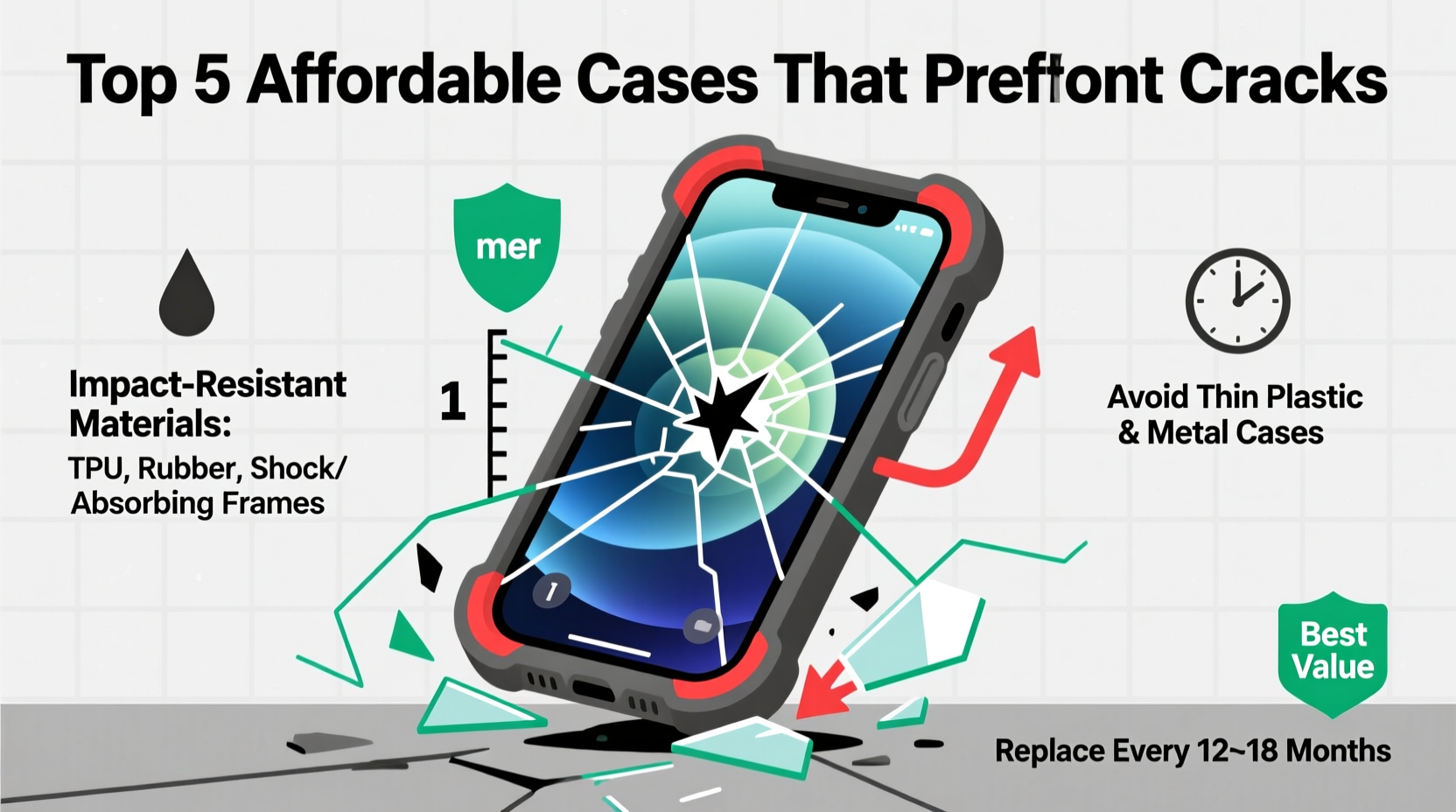
Before diving into solutions, it helps to understand what causes screens to crack in the first place. Most modern smartphones use glass like Corning Gorilla Glass, which is engineered for durability. However, no glass is completely immune to impact, especially when dropped at certain angles or onto hard surfaces like concrete, tile, or asphalt.
The primary factors contributing to screen damage include:
- Height of the fall: Even a drop from waist height (about 3–4 feet) generates enough force to compromise tempered glass.
- Impact angle: Phones that land face-down are far more likely to crack than those hitting edge-first or back-first.
- Surface hardness: Dropping your phone on carpet or grass is less risky than on stone or pavement.
- Lack of edge protection: Many slim cases only cover the back and sides, leaving corners—the most vulnerable points—exposed.
Knowing these risks allows you to choose a case that specifically addresses them—even on a tight budget.
Tip: Always test a case’s corner coverage by holding it up to light—visible gaps mean weak spots during drops.Choosing an Affordable Case That Actually Protects
Not all cheap cases are created equal. Some cost under $10 but offer little more than aesthetic appeal. Others deliver real protection through smart design and durable materials. Here’s how to spot the difference.
Look for These Key Features
- Elevated bezels: A slightly raised lip around the screen ensures that if your phone lands face-down, the glass doesn’t make direct contact with the surface.
- Shock-absorbing materials: Thermoplastic polyurethane (TPU) is flexible and absorbs impact better than rigid polycarbonate.
- Corners with extra padding: Reinforced corners act as “crumple zones,” dispersing energy away from the screen.
- Drop certification: Some budget brands now list MIL-STD-810G compliance, meaning they’ve passed military-grade drop tests from up to 6 feet.
Brands like UAG (Urban Armor Gear), Spigen, and ESR offer models under $25 that balance price and performance. For even tighter budgets, Amazon Basics and generic TPU cases with air-cushion technology can still provide meaningful protection—if selected carefully.
“Even a basic TPU case reduces impact force by up to 30% compared to a bare phone. It’s not perfect, but it’s a massive improvement.” — Dr. Lena Torres, Materials Engineer at Mobile Safety Labs
Do’s and Don’ts When Selecting Budget Cases
| Do | Don’t |
|---|---|
| Choose cases with visible air pockets or ribbed edges for shock dispersion | Buy ultra-slim silicone sleeves—they look sleek but offer minimal drop protection |
| Prioritize corner reinforcement—even if it adds slight bulk | Select cases that block ports or make charging difficult |
| Check customer reviews mentioning real-world drop tests | Trust product images alone—many show misleading angles |
| Opt for matte finishes that resist fingerprints and slippage | Ignore fit issues—poor alignment means less structural support |
Step-by-Step Guide to Maximizing Protection on a Budget
You don’t need the most expensive gear to keep your screen intact. Follow this actionable plan to minimize risk without overspending.
- Assess your usage patterns: Do you frequently use your phone while walking? Carry it in a bag with keys and coins? Knowing your habits helps determine the level of protection needed.
- Set a realistic budget ($8–$20): Within this range, dozens of reliable options exist. Avoid anything below $5 unless it has verified drop protection.
- Search for \"drop-tested\" or \"MIL-STD\" in listings: Use these keywords on Amazon, Walmart, or Best Buy to filter out purely decorative cases.
- Read recent reviews with photos: Look for users who’ve dropped their phones and reported outcomes. Bonus points if they compare different models.
- Add a tempered glass screen protector: Even with a strong case, a $6 screen protector acts as a sacrificial layer. Replace it every 6–12 months or after visible scratches.
- Combine case + screen protector + smart handling: No single solution is foolproof. Layered defense gives the best odds.
Real Example: How Sarah Avoided Cracks for Over Two Years
Sarah, a college student and part-time barista, goes through her day juggling textbooks, coffee trays, and her iPhone. She once shattered her screen after dropping it near the espresso machine—repair cost: $149. Determined not to repeat the mistake, she invested in a $17 Spigen ToughArmor case with dual-layer construction and corner air cushions. She also added a $7 tempered glass shield.
Over the next two years, her phone endured multiple falls: once from a bike handlebar onto pavement, another time slipping out of her rain-soaked hands. Each time, the case absorbed the blow. Minor scuffs appeared, but the screen remained flawless. “I thought spending $25 was excessive,” she said. “But replacing the screen once would’ve paid for three cases. Now I never leave home without proper protection.”
Sarah’s experience isn’t unique. Millions avoid costly repairs simply by making informed choices early.
Maximizing Value: What to Pair With Your Affordable Case
A case alone isn’t always enough. Combine it with low-cost accessories and habits to build a complete defense system.
Budget-Friendly Add-Ons
- Tempered glass screen protector ($5–$10): Replaces easily and absorbs surface impacts.
- Microfiber cleaning cloth ($3): Prevents grit buildup between phone and case, which can scratch surfaces over time.
- PopSocket or grip ring ($6–$8): Reduces accidental slips, especially when using one hand.
- Foldable stand case (under $12): Lets you prop the phone up, reducing handling frequency.
Daily Habits That Reduce Risk
- Keep your phone in a dedicated pocket or crossbody bag instead of loose in a backpack.
- Avoid placing it near table edges where it can be knocked over.
- Use speakerphone or headphones when possible to limit handling while moving.
- Wipe down the case weekly to maintain grip and prevent dirt compaction.
“The weakest link in phone protection isn’t the case—it’s human behavior. A $20 case used poorly will fail. A $15 case used wisely can last years.” — Marcus Lin, Tech Support Specialist at Urban Gadget Help
FAQ: Common Questions About Affordable Phone Protection
Can a cheap case really protect my phone as well as an expensive one?
Yes—many budget cases use the same shock-absorbing TPU materials and design principles as premium models. Independent lab tests show that some $12 cases perform within 10–15% of $50 counterparts in controlled drop scenarios. The key is choosing ones with proven corner protection and raised edges.
Do I still need a screen protector if I have a good case?
Absolutely. Cases protect against side and corner impacts, but a screen protector defends against direct face-down drops and everyday abrasions from keys, sand, or pocket debris. Think of them as complementary layers—one handles structure, the other handles surface integrity.
How often should I replace my case?
Inspect your case every 6 months. Look for cracks, warping, or loss of elasticity in the TPU material. If the phone fits loosely or the buttons feel mushy, it’s time for a replacement. Most quality budget cases last 12–18 months with normal use.
Final Checklist: Your Action Plan to Prevent Cracked Screens
- ✅ Identify your top drop risks (e.g., kitchen counters, stairs, gym bag).
- ✅ Set a max budget of $20 for a new case.
- ✅ Search for cases with “raised bezels,” “shock absorption,” and “corner protection.”
- ✅ Read at least five verified purchase reviews focusing on durability.
- ✅ Order a tempered glass screen protector to pair with the case.
- ✅ Install both properly—clean surfaces thoroughly before application.
- ✅ Adopt one new habit (like using a lanyard or keeping the phone in a specific pocket).









