In an era where indoor air quality is increasingly scrutinized, many are turning away from synthetic air fresheners laden with chemicals and toward natural alternatives. Essential oil diffusers offer a powerful, elegant solution—not only do they disperse pleasant aromas, but certain oils possess natural antimicrobial and deodorizing properties that actively neutralize odors at their source. Unlike masking sprays that simply cover smells, essential oils work with your environment to purify and refresh the air you breathe.
This approach blends science, tradition, and sensory wellness into one seamless practice. Whether it’s lingering cooking odors, pet smells, or mustiness from damp areas, a well-chosen essential oil blend can transform your space without introducing volatile organic compounds (VOCs) commonly found in commercial air fresheners.
The Science Behind Odor Elimination with Essential Oils
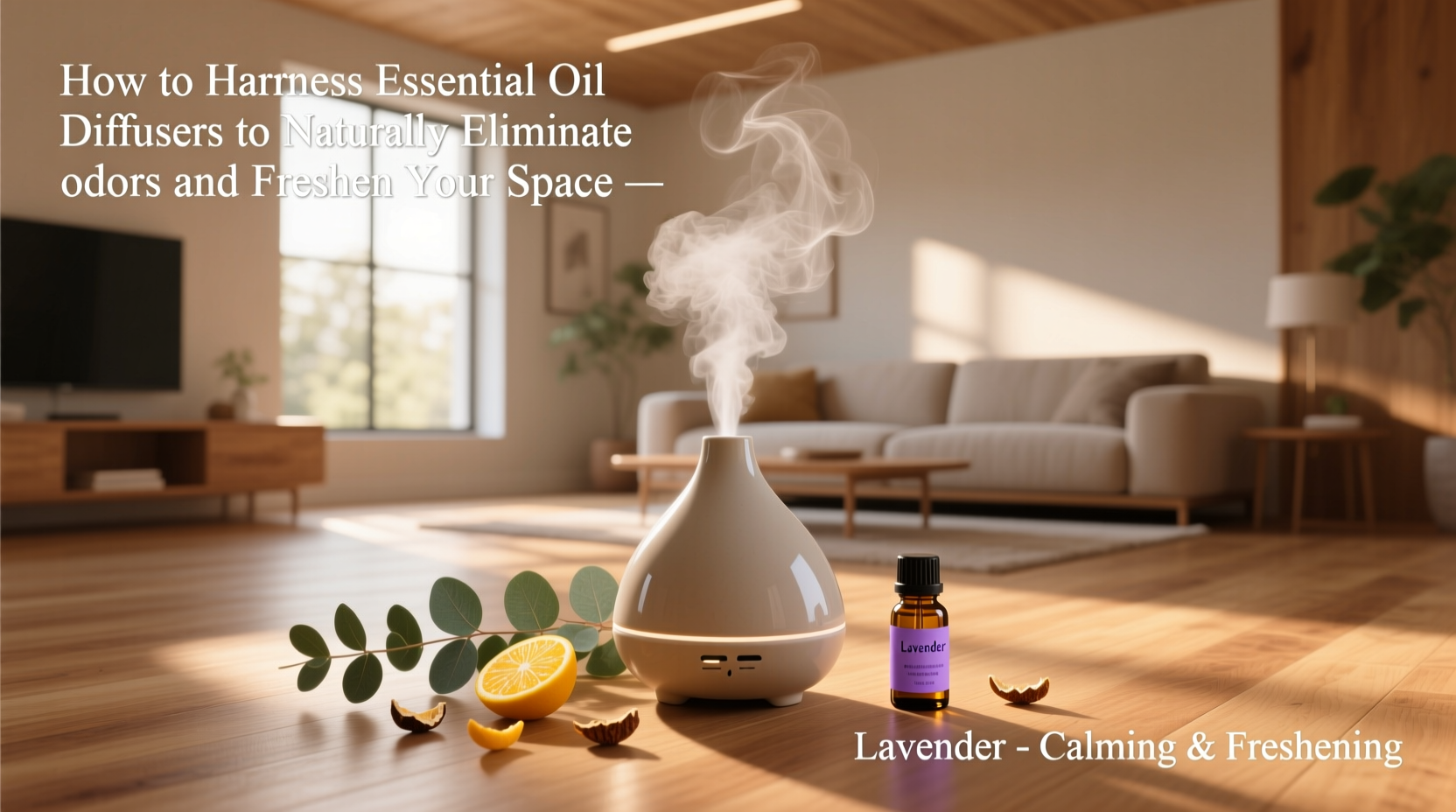
Odors arise when volatile molecules enter the air and interact with our olfactory system. Traditional air fresheners often rely on fragrance chemicals and aerosol propellants that temporarily mask these molecules. In contrast, essential oils contain bioactive compounds such as terpenes, phenols, and aldehydes that have been studied for their ability to inhibit odor-causing bacteria and mold spores.
For example, research published in the *Journal of Agricultural and Food Chemistry* has shown that citrus oils like lemon and orange contain limonene, which not only smells clean and bright but also exhibits strong antioxidant and antimicrobial activity. Similarly, tea tree (melaleuca) oil is widely recognized for its ability to combat airborne microbes, making it effective in reducing musty or stale odors.
When dispersed via a diffuser, these oils become suspended in microfine droplets that interact directly with airborne particles. This process doesn’t just add scent—it alters the chemical environment of the room, breaking down odor molecules and suppressing microbial growth.
“Essential oils aren’t just about aroma—they’re functional tools for environmental hygiene. Used correctly, they can significantly reduce airborne contaminants and persistent odors.” — Dr. Lena Patel, Integrative Aromatherapy Researcher
Choosing the Right Diffuser Type for Maximum Impact
Not all diffusers are created equal. The type you choose affects both the dispersion efficiency and longevity of odor-fighting results. Here’s a breakdown of common types and their suitability for odor elimination:
| Diffuser Type | How It Works | Best For Odors? | Limitations |
|---|---|---|---|
| Ultrasonic | Uses water and vibrations to create a fine mist | Yes – gentle, consistent release | Requires regular cleaning; water may dilute oil potency |
| Nebulizing | Pure oil atomized using air pump, no water | Excellent – strongest concentration | Higher oil consumption; louder operation |
| Heat | Warms oil to evaporate scent | Limited – heat can degrade active compounds | May alter therapeutic properties |
| Evaporative (fan-based) | Fan blows air through oil pad or reed | Moderate – good for small spaces | Short-lived effect; uneven distribution |
For serious odor control, nebulizing diffusers are most effective due to their high output of undiluted oil particles. However, ultrasonic models remain popular for everyday use because they also humidify the air—ideal for dry climates where static and dust contribute to stale smells.
Tip: Run your diffuser for 30–60 minutes at a time in occupied rooms, then pause for an hour to prevent olfactory fatigue and ensure balanced air quality.Top Essential Oils for Natural Odor Neutralization
Different oils target different types of odors. Selecting the right blend enhances effectiveness and creates a more enjoyable atmosphere. Below are some of the most potent odor-fighting essential oils and their ideal applications:
- Lemon – Cuts through grease and food odors; boosts mood and alertness.
- Tea Tree (Melaleuca) – Destroys mold and mildew spores; excellent for bathrooms and basements.
- Eucalyptus – Clears musty air and supports respiratory health; ideal after rain or flooding.
- Lavender – Neutralizes pet odors while promoting calm; great for bedrooms and living areas.
- Pine or Spruce – Mimics the freshness of outdoor forests; counters stale indoor air.
- Peppermint – Repels insects and eliminates kitchen waste smells; invigorating scent.
For best results, combine two or three oils. A blend of lemon, tea tree, and eucalyptus, for instance, tackles grease, microbes, and humidity-related odors simultaneously—perfect for kitchens and laundry rooms.
Step-by-Step Guide: Using Your Diffuser to Combat Common Household Odors
- Identify the odor source – Is it cooking, pets, dampness, or garbage? Tailor your oil selection accordingly.
- Clean the area first – Remove physical sources of odor (e.g., empty trash, wash surfaces).
- Fill your diffuser – For ultrasonic models, add clean water up to the fill line, then 5–8 drops of essential oil.
- Choose placement wisely – Position the diffuser near, but not directly facing, the problem area. Avoid corners with poor airflow.
- Run in cycles – Operate for 30–60 minutes, then turn off for equal time. Repeat as needed over several hours.
- Ventilate afterward – Open windows briefly to allow fresh air exchange and prevent oil buildup.
- Maintain your diffuser – Clean with white vinegar weekly to prevent clogs and bacterial growth.
Real-World Example: Freshening a Basement Apartment
Sarah rented a basement unit prone to mustiness after heavy rains. Despite using dehumidifiers, a stale smell persisted. She began using a nebulizing diffuser with a blend of 4 drops tea tree, 3 drops eucalyptus, and 3 drops lemon daily for two 45-minute sessions. Within three days, houseguests commented on the “clean, spa-like” atmosphere. After two weeks, the musty odor was gone entirely. Sarah now uses the same blend monthly as preventive maintenance during humid seasons.
This case illustrates how targeted essential oil diffusion works synergistically with environmental controls—not as a replacement, but as a biological complement to physical cleanup.
Common Mistakes to Avoid
Even experienced users can undermine their efforts with simple oversights. Be mindful of the following:
- Over-diffusing: Too much oil overwhelms the senses and may trigger headaches or sensitivities.
- Using low-quality oils: Synthetic or diluted oils lack therapeutic properties and may leave residue.
- Ignoring maintenance: Dirty diffusers emit inconsistent mist and can harbor mold.
- Placing near electronics: Mist from ultrasonic diffusers can damage devices if too close.
- Diffusing around pets: Some oils (like tea tree and peppermint) are toxic to cats and birds. Always research pet safety first.
Essential Oil Diffuser Safety Checklist
Ensure safe and effective use with this quick-reference checklist:
- ✅ Use 100% pure, therapeutic-grade essential oils
- ✅ Dilute properly (especially in ultrasonic diffusers)
- ✅ Place diffuser on a stable, elevated surface
- ✅ Keep out of reach of children and pets
- ✅ Clean diffuser every 3–5 uses
- ✅ Avoid prolonged continuous diffusion (max 1–2 hours at a time)
- ✅ Check oil compatibility with household members (allergies, asthma, etc.)
Frequently Asked Questions
Can essential oils completely eliminate cigarette smoke odor?
While essential oils cannot remove tar or deeply embedded smoke residue from walls and fabrics, they can significantly reduce airborne smoke particles and neutralize lingering smells when used consistently. Combine diffusion with deep cleaning and activated charcoal filters for best results.
How long does it take to notice a difference in room odor?
Most people notice improvement within 20–30 minutes of diffusion. Persistent odors may require multiple sessions over 1–3 days, especially if the source hasn’t been fully removed.
Are there any essential oils I should never mix?
There are no inherently dangerous combinations, but some blends may clash aromatically or cause irritation. Avoid mixing strong menthol oils (like peppermint) with spicy oils (like cinnamon) in high concentrations, as this can overwhelm the respiratory system. Always test blends in small amounts first.
Transform Your Space Naturally
Essential oil diffusers are more than decorative accessories—they are tools for cultivating healthier, more inviting environments. By understanding how specific oils interact with odor-causing agents and choosing the right equipment and methods, you can maintain fresh air without relying on artificial fragrances or harsh chemicals.
The shift toward natural air care reflects a broader movement toward intentional living: one where wellness, sustainability, and sensory pleasure coexist. Start today by selecting one problematic area in your home and applying a targeted oil blend. Observe the change not just in scent, but in how the space feels—lighter, cleaner, and more alive.
💬 Ready to refresh your home the natural way? Share your favorite essential oil blend for odor control in the comments below and inspire others to breathe easier.








