Every traveler knows the frustration of arriving at baggage claim only to find their suitcase unidentifiable—its once-bright luggage tag cracked, faded, or missing entirely. A reliable luggage tag isn’t just a formality; it’s a critical piece of travel gear that protects your identity, streamlines communication with airlines, and ensures your bag finds its way back to you. Yet most people treat it as an afterthought, choosing flimsy plastic tags that peel apart after one cross-country flight. The truth is, durability in a luggage tag comes down to smart design, resilient materials, and thoughtful features—not luck.
Why Most Luggage Tags Fail Mid-Journey
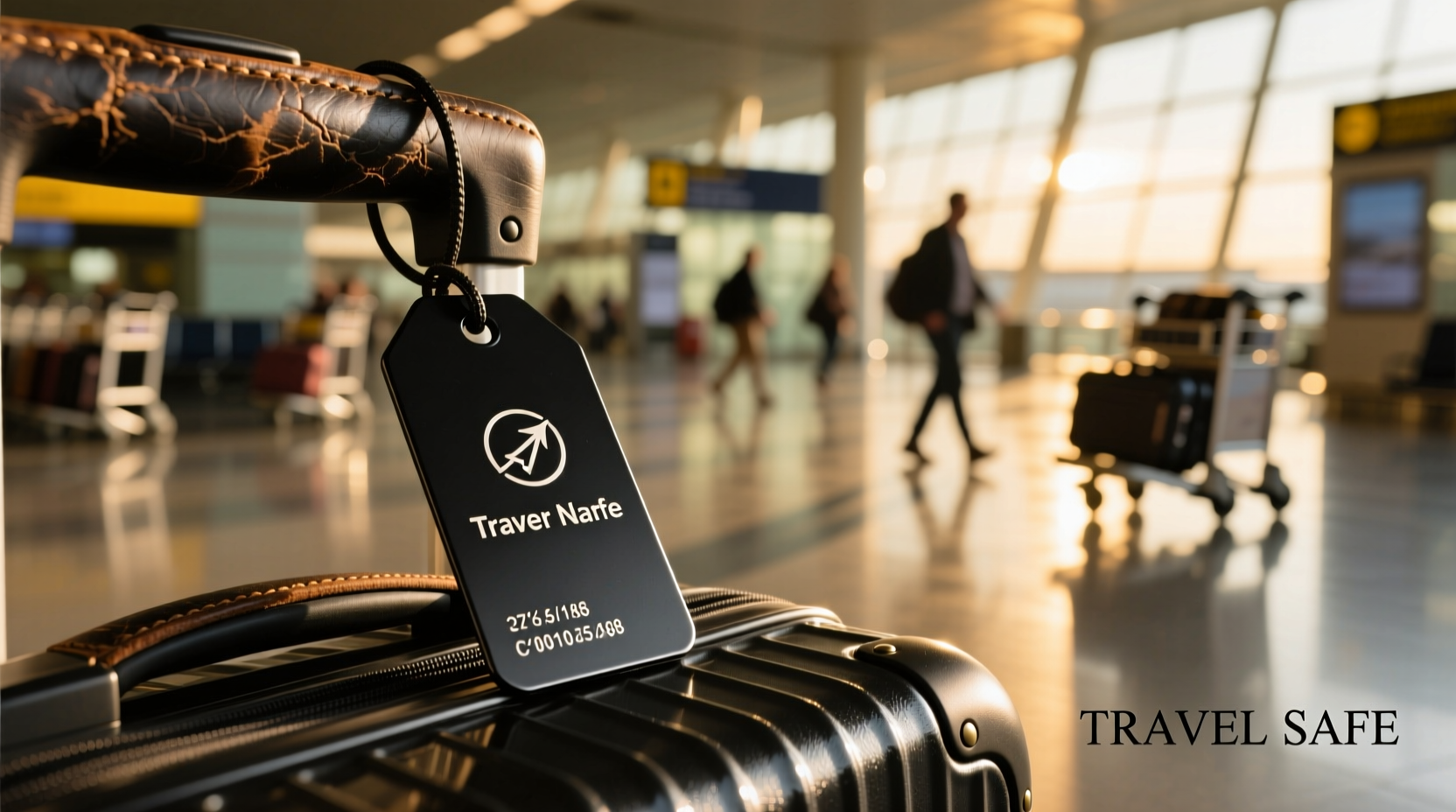
Luggage undergoes extreme conditions: tossed between conveyor belts, exposed to rain on tarmacs, left in sweltering cargo holds, or dragged across rough pavement. Standard paper-in-plastic sleeve tags disintegrate under UV exposure. Thin vinyl cracks in cold climates. Flimsy metal rivets snap when caught on machinery. Even high-end suitcases often come with disposable tags that last fewer than three trips.
The root cause? Manufacturers prioritize aesthetics over endurance. Glossy finishes and minimalist designs may look good online but fail in real-world handling. A truly durable tag must survive abrasion, moisture, temperature shifts, and mechanical stress without compromising legibility or security.
Tip: Avoid tags with glued seams or paper inserts—these degrade quickly when exposed to humidity or direct sunlight.Key Features of a Long-Lasting Luggage Tag
Durability isn’t accidental. It’s engineered. When evaluating options, focus on these five structural elements:
- Material resilience: Look for reinforced polycarbonate, aircraft-grade aluminum, or vulcanized rubber.
- Weather resistance: Tags should be waterproof, UV-resistant, and able to withstand temperatures from -20°C to 60°C.
- Attachment strength: Secure loop mechanisms using double-stitched ballistic nylon or stainless steel rings resist tearing.
- Legibility retention: Laser-engraved or etched text won’t fade like ink-printed labels.
- Privacy protection: Internal card sleeves allow contact details to stay hidden from public view while remaining accessible to airline staff.
“Most travelers don’t realize that a luggage tag is part of their safety net. If it fails, so does traceability.” — David Tran, Aviation Logistics Consultant, IATA Certified
Material Comparison: What Works and What Doesn’t
Not all materials are created equal. Below is a breakdown of common tag materials based on real-world performance data collected from frequent flyers and airport handlers.
| Material | Durability Score (1–5) | Water Resistance | UV Resistance | Average Lifespan |
|---|---|---|---|---|
| PVC Plastic | 2 | Moderate | Poor | 3–5 flights |
| Leather | 3 | Fair (with treatment) | Fair | 6–10 flights |
| Polycarbonate | 5 | Excellent | Excellent | 2+ years |
| Aluminum | 4.5 | Excellent | Excellent | 3+ years |
| Silicone Rubber | 4 | Excellent | Good | 1.5–2 years |
Polycarbonate and aluminum consistently outperform others due to their rigidity and chemical stability. Silicone offers flexibility and grip, making it ideal for carry-ons handled frequently by hand.
Step-by-Step Guide to Selecting Your Ideal Tag
Choosing the right tag involves more than browsing online reviews. Follow this sequence to make a confident, long-term decision:
- Assess your travel frequency: Frequent flyers need industrial-grade tags; occasional travelers can opt for mid-tier options.
- Determine attachment method: Loop-style tags work best for zippers; clamp-on models suit hard-shell cases with handles.
- Check customization options: Engraving lasts longer than stickers or writable surfaces.
- Verify privacy features: Ensure there’s a sealed inner compartment for ID cards or QR codes.
- Test real-world feedback: Search forums like FlyerTalk or Reddit’s r/travel for user reports on longevity.
- Purchase and test locally: Before buying multiples, use one tag on a round-trip flight and inspect wear points.
Real Example: How One Traveler Recovered Her Bag After 17 Days
Sophie R., a digital nomad based in Lisbon, lost her checked luggage during a layover in Dubai. Her suitcase arrived three weeks later in Jakarta—without its original fabric tag, which had torn off at transit. But inside the handle, she’d attached a secondary aluminum tag engraved with her email and a backup phone number. Despite being scratched and dusty, the laser-etched information remained fully readable. Airline staff used the tag to contact her via WhatsApp, and she retrieved her bag within 48 hours.
“I almost skipped buying that second tag,” she said. “But after my last loss in Bangkok, I decided redundancy was worth the $12. That little metal square saved me nearly $400 in replacement costs.”
Essential Checklist Before Purchase
Before finalizing your choice, verify these criteria:
- ✅ Made from impact-resistant material (polycarbonate, aluminum, or reinforced rubber)
- ✅ Waterproof seal or non-porous surface
- ✅ Secure, non-detachable attachment ring
- ✅ Space for both printed ID and emergency contact
- ✅ Tamper-resistant interior slot for personal info
- ✅ Reflective or high-visibility color option for low-light visibility
- ✅ Brand offers a lifetime warranty or replacement program
FAQ: Common Questions About Durable Luggage Tags
Can I use a luggage tracker instead of a physical tag?
Trackers like Tile or Apple AirTag are excellent supplements but not replacements. They rely on battery life and Bluetooth range. Physical tags provide immediate visual identification even when electronics fail. Use both for maximum security.
Is engraved text better than a writable surface?
Yes. Writable surfaces smudge, fade, or become illegible after exposure to moisture. Engraved or etched text is permanent and immune to environmental damage. For temporary trips, writable tags are acceptable—but never for long-term use.
How do I clean and maintain my luggage tag?
Wipe with a damp microfiber cloth and mild soap. Avoid solvents or abrasive cleaners. For metal tags, use a jewelry polishing cloth to remove tarnish. Inspect attachment rings monthly for signs of wear.
“Durability starts with simplicity. The fewer moving parts, the less there is to break.” — Lena Patel, Industrial Designer, Samsonite Innovation Lab
Final Thoughts: Invest in Peace of Mind
A luggage tag is more than an accessory—it’s a silent guardian of your belongings. In an industry where bags change hands dozens of times between departure and arrival, having a tag that survives every bump, drop, and downpour is non-negotiable. Don’t settle for decorative novelties that fall apart before your return flight. Choose engineering over aesthetics, resilience over trends, and clarity over clutter.
Take action today: audit your current tags, replace any that show wear, and invest in at least one premium model with proven durability. Your future self—standing at a chaotic baggage carousel halfway around the world—will thank you.
💬 Have a story about a luggage tag that saved your trip? Share your experience below and help fellow travelers make smarter choices.








