
Choosing the right iPhone case isn’t just about style—it’s about safeguarding one of your most used and valuable devices. With so many options on the market, two popular choices stand out: glitter cases and bumper cases. One dazzles with personality, the other promises rugged reliability. But when it comes to actual protection, which one truly keeps your iPhone safer from drops, impacts, and everyday wear?
The answer depends on what kind of protection matters most to you—cosmetic preservation or structural defense. Let’s break down the design, materials, performance, and real-world usability of both glitter and bumper cases to determine which offers superior protection for your iPhone.
Understanding Glitter Cases: Style Over Substance?
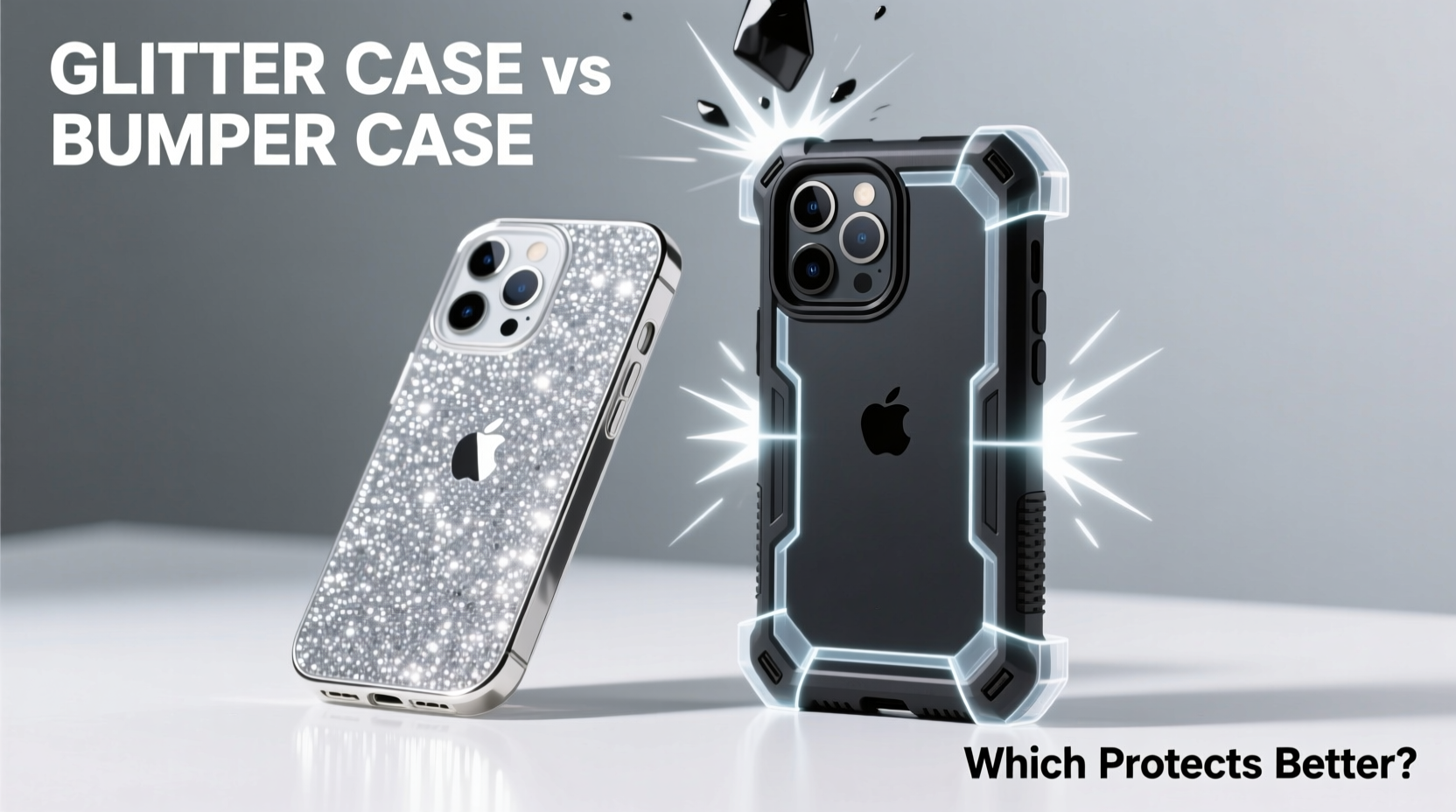
Glitter cases are instantly recognizable—sparkly, colorful, and often encased in transparent silicone or TPU (thermoplastic polyurethane). They’re designed to catch the eye, making your phone a fashion statement. Most feature suspended glitter particles inside a soft gel-like shell that shifts slightly when tilted, creating a shimmer effect.
While visually appealing, their protective capabilities are limited. These cases typically provide basic shock absorption through their flexible rubberized material, but they lack structural reinforcement. The edges are usually flush with the screen, offering little to no raised lip for screen protection. If your phone lands face-down, the screen is likely to make direct contact with the surface.
Additionally, glitter cases tend to yellow over time, especially when exposed to UV light or oils from your hands. The glitter itself can clump or settle unevenly, diminishing both aesthetics and tactile consistency. For users who prioritize appearance and don’t subject their phones to high-risk environments, glitter cases may suffice—but not without trade-offs.
Tip: Avoid using harsh cleaners on glitter cases; mild soap and water preserve clarity and prevent premature yellowing.Bumper Cases: Built for Impact
Bumper cases take a minimalist yet functional approach. Typically made from rigid polycarbonate or aluminum frames with soft inner linings, bumpers wrap around the edges of your iPhone like a protective cage. The design leaves the back of the phone exposed—sometimes fully, sometimes partially—while focusing on shielding the most vulnerable parts: the corners and sides.
This construction is intentional. During a drop, impact forces are concentrated at the edges and corners. Bumper cases absorb and disperse that energy through reinforced corners and shock-absorbing materials. Many high-end bumpers include air-cushion technology or internal ribbing to enhance shock dispersion.
Because the frame sits slightly above the screen and camera module, there’s built-in protection against flat surface scratches. However, since the back is often uncovered, any direct fall onto a hard surface can result in back glass damage—especially on modern iPhones with ceramic shield backs that, while strong, aren’t indestructible.
“Edge protection is the first line of defense in smartphone durability. A well-designed bumper can reduce impact force by up to 50% compared to full-body cases.” — Dr. Marcus Lin, Materials Engineer at Mobile Safety Labs
Head-to-Head Comparison: Protection Features
| Feature | Glitter Case | Bumper Case |
|---|---|---|
| Drop Protection | Moderate – absorbs minor shocks via flexible TPU | High – reinforced corners and edge cushioning |
| Screen Protection | Poor – no raised bezel; screen touches surface | Good – frame extends slightly above screen |
| Camera Lens Protection | Fair – minimal protrusion guard | Good – elevated rim around camera cutout |
| Back Panel Protection | Excellent – full coverage | Poor to Fair – partial or no back coverage |
| Durability Over Time | Poor – prone to yellowing and glue separation | High – resistant to wear, fading, and deformation |
| Aesthetic Longevity | Low – glitter settles, case discolors | High – maintains original look longer |
Real-World Scenario: Who Wins in a Fall?
Consider Sarah, a college student who commutes daily on public transit. She places her iPhone in her backpack alongside notebooks, keys, and a water bottle. One morning, she pulls her phone out quickly, fumbles it, and it tumbles onto concrete stairs—three feet high, landing corner-first.
Her phone is in a glitter case. On inspection, the screen is cracked, though the case itself shows only minor scuffing. The flexible TPU absorbed some energy, but the lack of structural support meant the impact transferred directly to the display. The back remains unscathed, but the repair cost exceeds $200.
In contrast, her roommate Alex uses a military-grade bumper case. He drops his phone similarly a week later—from a standing height onto tile. The bumper’s corner air pockets compress on impact. Though the phone bounces, the screen and body remain intact. Only minor scratches appear on the metal frame. No repairs needed.
This scenario illustrates a key point: bumper cases excel where it matters most—high-impact zones. Glitter cases protect against light bumps and scratches but fail under serious stress.
When a Glitter Case Might Be the Right Choice
That said, glitter cases aren’t without merit. For users who:
- Rarely drop their phones
- Use their devices primarily indoors
- Value personalization and visual flair
- Pair the case with a screen protector and mindful handling
…a glitter case can be a reasonable option. Some premium models now include slight screen lips and harder outer shells, bridging the gap between fashion and function. Still, they should never be relied upon as primary defense in high-risk situations.
Step-by-Step: How to Choose Based on Your Lifestyle
- Assess your daily routine: Do you work in construction, commute heavily, or have young children? High-risk environments demand maximum protection.
- Evaluate past incidents: Have you broken your phone before? If yes, prioritize proven impact resistance.
- Decide on back exposure: Are you comfortable with an open-back design if it means better edge protection?
- Test grip and feel: Bumpers can feel less secure due to smooth edges; ensure the texture suits your hand size.
- Check certifications: Look for MIL-STD-810G rating or equivalent drop-test validation, especially for bumpers.
FAQ: Common Questions About iPhone Case Protection
Do glitter cases offer any real drop protection?
Yes, but only minimal. Their soft TPU material provides slight cushioning for low-height drops onto soft surfaces. However, they lack structural rigidity and corner reinforcement, making them ineffective in serious falls.
Can I add a screen protector if I use a bumper case?
Absolutely—and you should. Even with a raised bezel, a high-quality tempered glass screen protector adds critical defense against scratches and shattering, especially during angled impacts.
Are bumper cases compatible with wireless charging?
Most are. Since they’re slim and lightweight, bumper cases typically don’t interfere with Qi charging. Just ensure the metal components (if any) aren’t positioned in a way that disrupts the coil alignment.
Final Verdict: Protection First, Glamour Second
If your priority is genuine physical protection, the bumper case wins decisively. Its engineering-focused design addresses the most common failure points in smartphone damage: corner drops and edge impacts. While it sacrifices full back coverage, this trade-off enables superior shock absorption where it counts.
Glitter cases, meanwhile, serve best as secondary or seasonal accessories—ideal for casual use, photo shoots, or moments when expression outweighs endurance. They should not be considered standalone protective solutions, especially for newer, expensive iPhone models.
Ultimately, the best iPhone case aligns with how you live. But if “protection” is the metric, bumper cases deliver measurable, tested advantages that glitter simply can’t match.
🚀 Ready to upgrade your phone’s defense? Swap your flashy case for a certified bumper model today—or combine both styles with interchangeable options. Share your go-to iPhone case in the comments and help others make smarter choices!








