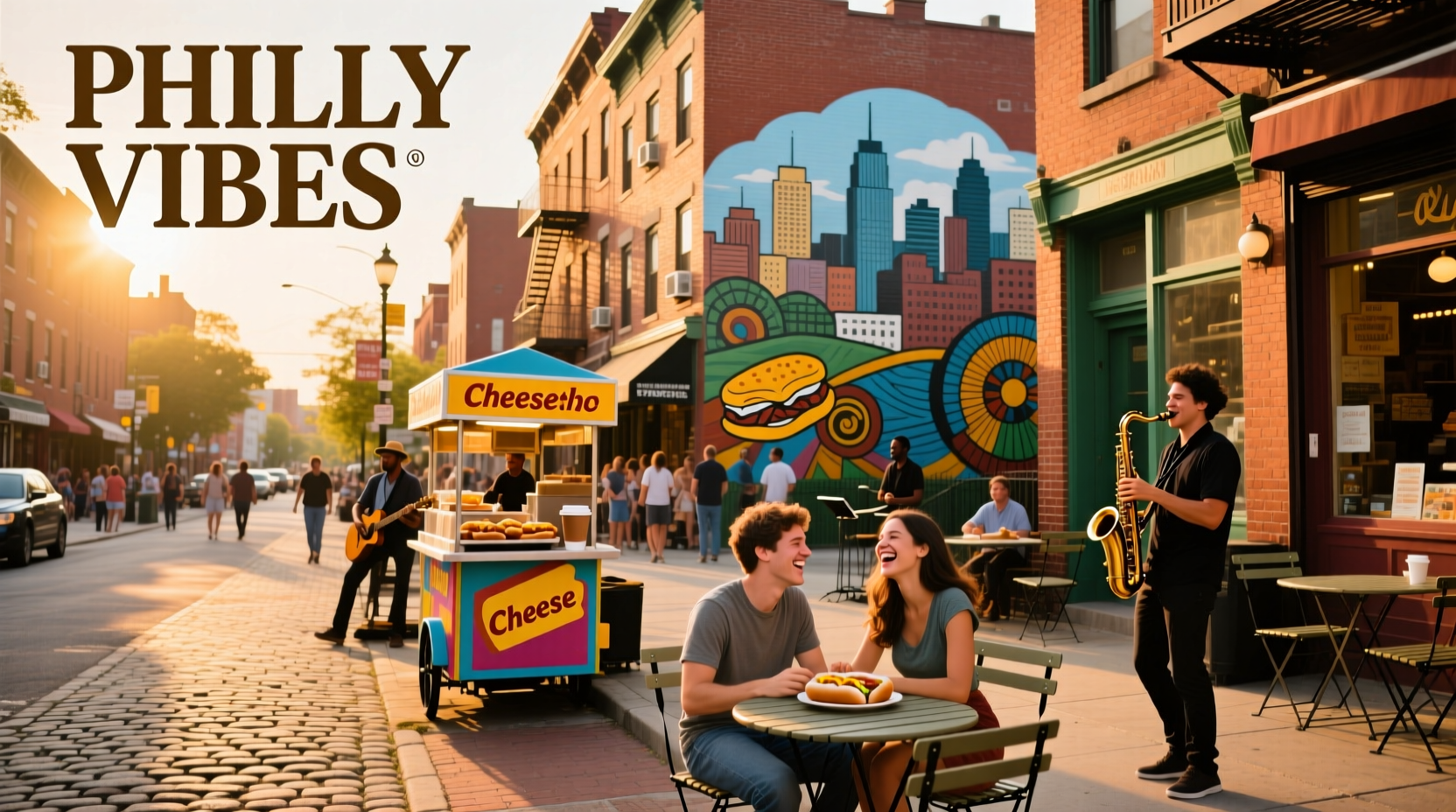
Philadelphia is more than just cheesesteaks and historic landmarks. Beneath its colonial roots lies a dynamic urban fabric woven from diverse cultures, creative energy, and neighborhood pride. From tree-lined streets in Center City to gritty-chic lofts in Fishtown, each district offers a distinct rhythm and flavor. Whether you're planning a visit, considering relocation, or rediscovering your hometown, understanding what makes each area unique can transform how you experience the city.
Center City: The Urban Heartbeat
As the commercial and cultural core of Philadelphia, Center City pulses with activity day and night. Bounded by the Schuylkill River to the west and the Delaware River to the east, this walkable grid blends business districts with residential charm. Rittenhouse Square anchors the west side with its manicured park, luxury boutiques, and fine dining. On the east, Old City preserves cobblestone streets and 18th-century architecture, home to art galleries, intimate wine bars, and the Liberty Bell.
The corridor along Walnut and Sansom Streets caters to professionals during the week but transforms into a social hub on weekends. Meanwhile, Avenue of the Arts—South Broad Street—hosts the Kimmel Center, Academy of Music, and Wilma Theater, making it a destination for performing arts lovers.
Tip: Visit Reading Terminal Market during weekday mornings to avoid crowds and enjoy fresh oysters, Amish baked goods, and authentic Philly soft pretzels.Fishtown: Grit Meets Glamour
Once an industrial enclave, Fishtown has evolved into one of the city’s most talked-about neighborhoods. Its transformation began in the early 2010s when artists and entrepreneurs moved into vacant factories along Frankford Avenue. Today, that same stretch features neon-lit cocktail bars, vinyl shops, and farm-to-table restaurants like Suraya and Johnny Brenda’s—a staple for indie music lovers.
The vibe is unpretentiously cool. You’ll see bearded baristas serving nitro cold brew next to longtime Polish delis. Street art flourishes on warehouse walls, and community gardens pop up in unexpected corners. While rising rents have shifted the demographic, Fishtown retains its DIY spirit through events like the annual “Fishtown Fest” and pop-up markets at Crane Arts.
“Fishtown isn’t about perfection—it’s about authenticity. The best moments happen off the main drag, where locals still gather at corner bars and backyard shows.” — Marcus Rivera, Philly Urban Historian
South Street: Eclectic and Unapologetic
If Philadelphia had a bohemian soul, it would live on South Street. Stretching from Front Street to 17th, this strip thrives on individuality. Vintage stores like Gabriel’s Closet and Zipper Factory offer curated secondhand fashion, while tattoo parlors, head shops, and dive bars coexist in colorful harmony.
The area peaked in countercultural relevance during the '70s and '80s but remains a magnet for creatives, LGBTQ+ communities, and anyone seeking an alternative to mainstream nightlife. Though gentrification has brought chain coffee shops and upscale apartments, grassroots efforts keep the original spirit alive. Murals honoring local musicians and activists line the alleys, and food trucks serve everything from jerk chicken to vegan dumplings.
University City: Innovation and Intellect
Home to the University of Pennsylvania and Drexel University, University City balances academic rigor with urban vitality. Anchored by the bustling 30th Street Station—the third-busiest Amtrak stop in the U.S.—this West Philly district serves as a gateway for commuters, students, and researchers.
The mix of ivy-covered buildings and modern labs creates a stimulating atmosphere. Clark Park hosts farmers’ markets and outdoor yoga, while Baltimore Avenue boasts some of the city’s best Ethiopian and Vietnamese cuisine. With increasing investment in tech incubators and green spaces like the Schuylkill River Trail, University City is becoming a model for sustainable urban development.
| Neighborhood | Vibe | Best For | Local Highlight |
|---|---|---|---|
| Center City | Sophisticated, cosmopolitan | Dining, shopping, culture | Reading Terminal Market |
| Fishtown | Edgy, artistic | Live music, craft cocktails | Johnny Brenda’s |
| South Street | Eclectic, rebellious | Vintage shopping, street art | Magic Gardens |
| University City | Intellectual, progressive | Coffee shops, walking trails | Clark Park |
| Manayunk | Suburban-chic, scenic | River views, weekend brunch | Main Street boutiques |
Manayunk: Where the Suburbs Meet the River
Nestled along the Schuylkill River, Manayunk (pronounced “man-a-YUNK”) offers a quieter pace without sacrificing urban amenities. Known for its steep Main Street lined with brick rowhouses, the neighborhood attracts young families and professionals who want easy access to Center City via the Manayunk/Norristown Line.
Saturday mornings bring locals to Saxbys Coffee and Early Bird Bakery. In warmer months, kayakers and trail runners flock to the river path, while rooftop bars like RiverBend draw sunset chasers. The annual Manayunk Regatta and Canal Day celebrate the area’s industrial past and tight-knit community.
Tip: Park on Green Lane or Cresson Street—Main Street fills up fast on weekends.A Real Neighborhood Transformation: The Case of Kensington North
Kensington, often misrepresented in headlines due to challenges with addiction and homelessness, also contains pockets of resilience and renewal. North of Lehigh Avenue, artists and small developers are rehabbing abandoned homes into affordable studios. Community groups like Impact Services and Prevention Point run outreach programs while supporting local entrepreneurs.
Take Maria Torres, a ceramicist who opened Claywheel Studio in 2020. She chose the neighborhood for its low rents and raw aesthetic. “People assume it’s dangerous everywhere,” she says, “but I’ve built real relationships here. My neighbors watch my kiln when I travel.” Her studio now hosts monthly open houses, drawing visitors from Center City and beyond.
This micro-revival reflects a broader trend: bottom-up revitalization driven not by corporate investors, but by those committed to place-making. It’s a reminder that vibrancy doesn’t always come from polished storefronts—it can emerge from shared purpose.
Your Philadelphia Neighborhood Checklist
To make the most of your exploration, follow this practical guide:
- Walk instead of drive: Most neighborhoods are pedestrian-friendly and reveal hidden courtyards, murals, and cafes only visible on foot.
- Try one local dish per area: A roast pork sandwich in South Philly, halal cart fare in West Oak Lane, or a pepper pot soup at a winter market.
- Visit a public park: Fairmount Park, Franklin Square, or even a pocket park like Love Park offer rest and perspective.
- Attend a community event: Check listings for block parties, jazz nights, or mural dedication ceremonies.
- Talk to locals: Strike up conversation at a bar, bookstore, or dog park. Residents often know the best under-the-radar spots.
Frequently Asked Questions
Is Philadelphia safe for tourists exploring different neighborhoods?
Yes, with awareness. Like any major city, certain areas require caution after dark, particularly near Allegheny or parts of North Philly. Stick to well-lit, populated zones such as Center City, Rittenhouse, Fishtown, and Old City. Use common sense, avoid flashing valuables, and consult neighborhood-specific safety updates via the Philadelphia Police Department’s online portal.
Which neighborhood is best for first-time visitors?
Center City is ideal. It’s compact, rich in history, and well-connected by transit. From Independence Hall to the Philadelphia Museum of Art, most top attractions are within walking distance. Plus, you’re minutes from other key areas via SEPTA subway or bike share.
Are there family-friendly neighborhoods outside the center?
Absolutely. Chestnut Hill offers excellent schools, leafy streets, and the historic Wyndmoor train station. Mount Airy combines diversity with strong community organizations and parks. Both are accessible via regional rail and known for inclusive, engaged residents.
Conclusion: Discover Philadelphia One Block at a Time
Philadelphia’s strength lies in its neighborhood identity. Each district tells a story—of immigration, industry, rebellion, rebirth. To experience the city fully, step beyond tourist trails and immerse yourself in its living, breathing enclaves. Whether you're sipping espresso in a West Philly co-op, dancing at a Fishtown basement show, or watching kids play soccer in a Manayunk lot, you’re engaging with the real Philly.
💬 What’s your favorite Philadelphia neighborhood—and why? Share your experiences, hidden gems, or questions below. Let’s build a deeper map of this city, together.








