Austin, Texas, continues to top national rankings for livability, growth, and cultural vibrancy. As the state capital and a hub for technology, music, and outdoor recreation, it attracts professionals, creatives, families, and retirees alike. But with rapid expansion comes increasing diversity in neighborhoods—each offering its own blend of charm, convenience, and cost. Choosing where to live in Austin isn’t just about proximity to downtown; it’s about aligning your lifestyle with the right community.
This guide explores some of the best areas to live in Austin, providing detailed insights into affordability, schools, safety, commute times, and local character. Whether you're relocating from out of state or moving within Central Texas, understanding these neighborhoods can help you make an informed decision.
Downtown & Central East Austin: Urban Energy Meets Cultural Roots
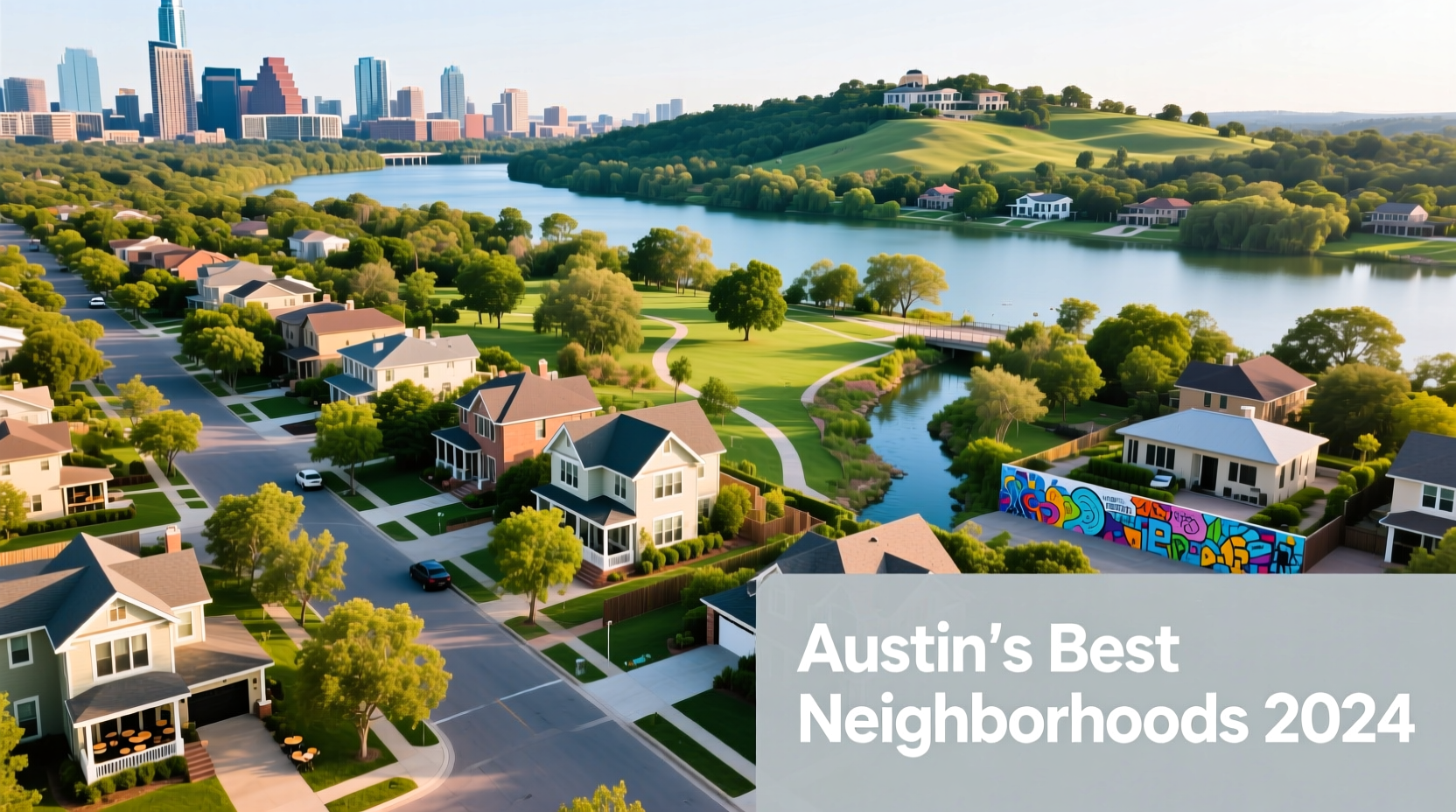
The heart of Austin pulses strongest in Downtown and neighboring East Austin. Known for its walkability, nightlife, and creative energy, this area is ideal for young professionals and artists seeking a vibrant urban experience.
Downtown offers high-rise condos, mixed-use developments, and easy access to the Capitol, SXSW venues, and Lady Bird Lake. Meanwhile, Central East Austin—bounded roughly by I-35 and Airport Boulevard—has evolved from historically underserved roots into a dynamic mix of old-school Tex-Mex joints, craft breweries, and modern lofts.
Tip: If you value walkability and public transit, prioritize ZIP codes 78701 (Downtown) and 78702 (East Austin), both served by Capital Metro rail and bus lines.However, rising property values have made this one of the priciest parts of town. Median home prices exceed $700,000, and rental units average $2,500+ per month. Gentrification remains a sensitive topic, as long-time residents face displacement pressures.
“East Austin’s transformation reflects both opportunity and loss. The soul of the community lies in its resilience and cultural legacy.” — Dr. Maria Lopez, UT Austin Urban Studies Department
Northwest Hills & Westlake: Suburban Comfort with Top-Tier Schools
For families prioritizing excellent public education and spacious homes, Northwest Hills and nearby Westlake stand out. Located west of Mopac Expressway and north of Lake Travis, these neighborhoods offer tree-lined streets, large lots, and access to top-rated schools in the Eanes and Austin ISDs.
Westlake, in particular, ranks among the wealthiest communities in Texas. Homes here often exceed $1.5 million, with many waterfront properties along Lake Travis. The area appeals to executives, entrepreneurs, and remote workers who value privacy and natural beauty.
Nearby, Northwest Hills provides a more accessible entry point with median home prices around $650,000. Residents enjoy proximity to The Domain—a major shopping and dining district—while maintaining a quieter, family-oriented atmosphere.
| Neighborhood | Median Home Price | School District | Commute to Downtown |
|---|---|---|---|
| Westlake | $1,850,000 | Eanes ISD | 25–35 min |
| Northwest Hills | $650,000 | Austin ISD / Eanes ISD | 20–30 min |
| Dove Springs | $380,000 | Austin ISD | 15–25 min |
| Hyde Park | $720,000 | Austin ISD | 10–15 min |
South Austin: Charm, Diversity, and Outdoor Lifestyle
Stretching from Barton Hills down to Manchaca, South Austin blends eclectic charm with practical living. This region is popular among families, creatives, and healthcare workers due to its strong sense of community and proximity to medical centers like St. David’s and Dell Medical School.
Areas like Bouldin Creek and South Congress (SoCo) offer bungalows, food trucks, and shaded porches perfect for evening hangs. Zilker Park, Barton Springs Pool, and the Violet Crown Trail provide abundant outdoor recreation. The vibe is laid-back but socially engaged, with farmers markets, yoga events, and neighborhood festivals year-round.
Schools such as Govalle Elementary and Dawson Middle serve portions of South Austin, though families should verify zoning due to recent boundary changes. While housing costs have risen—median prices now hover near $700,000—there are still pockets of relative affordability in neighborhoods like Allandale South and Travis Heights.
Mini Case Study: The Johnson Family’s Move to Travis Heights
The Johnsons relocated from Dallas seeking a slower pace without sacrificing city access. After touring several suburbs, they chose Travis Heights for its historic bungalow architecture, walkable streets, and proximity to Zilker Park. Their three-bedroom home, renovated in 2021, cost $680,000—above their initial budget but justified by dual commutes (one parent works downtown, the other at UT). They now bike to school events and enjoy weekend dips in Barton Springs. “We wanted our kids to grow up outside,” says Sarah Johnson. “Here, they’re always barefoot in the yard or riding scooters to the corner store.”
Travis County Outliers: Dripping Springs, Pflugerville, and Manor
As Austin’s core becomes increasingly unaffordable, many buyers are expanding their search beyond city limits. Nearby towns offer lower taxes, larger properties, and growing infrastructure while remaining within a 30–40 minute commute.
- Dripping Springs: Known as the “Gateway to the Hill Country,” this town southwest of Austin features luxury ranches, wineries, and highly rated Hays CISD schools. Median home price: $850,000.
- Pflugerville: A fast-growing suburb northeast of Austin with diverse housing stock and PFISD schools that consistently outperform state averages. Median home price: $420,000.
- Manor: Just 15 minutes east of downtown, Manor has become a hotspot for tech workers drawn by Google’s data center and affordable new construction. Prices start under $300,000, though traffic on US-290 can be heavy during rush hours.
Key Factors When Choosing Your Neighborhood
Selecting the right Austin neighborhood requires balancing multiple priorities. Use this checklist to evaluate options objectively:
- Commute Time: Test drive your route during peak hours. I-35 and MoPac are frequently congested.
- School Ratings: Check TEA accountability scores and parent reviews via GreatSchools.org.
- Flood Zone Risk: Much of Austin lies in flood-prone areas. Verify FEMA zone designations before buying.
- Tax Rate: Compare city vs. ETJ (Extra-Territorial Jurisdiction) rates. Some suburbs offer lower overall tax burdens.
- Community Culture: Visit local cafes, parks, and Facebook groups to gauge neighborhood personality.
- Future Development: Research planned projects—new highways, apartments, or commercial zones—that may affect noise or traffic.
Do’s and Don’ts of Austin Neighborhood Selection
| Do | Don't |
|---|---|
| Verify school zoning with the district | Assume all parts of a neighborhood have the same rating |
| Check utility costs—some older homes lack insulation | Overlook summer AC expenses in poorly insulated homes |
| Attend a city council meeting or neighborhood association event | Rely solely on real estate agent descriptions |
| Review crime maps via Austin Police Department data | Generalize based on outdated stereotypes (e.g., \"East Austin is dangerous\") |
Frequently Asked Questions
Is Austin still affordable for middle-income families?
It depends on flexibility. Within city limits, true affordability is limited. However, surrounding municipalities like Pflugerville, Del Valle, and Kyle offer median-priced homes between $300,000–$400,000 with access to decent schools and shorter commutes than expected.
Which Austin neighborhood has the best public transportation?
Downtown and East Austin lead in connectivity, with MetroRail stations at Kramer Station and MLK/Cesar Chavez. The upcoming Project Connect expansion aims to improve east-west light rail access by 2030, potentially benefiting East and South Austin corridors.
Are there any up-and-coming areas worth watching?
Yes. Mueller, a former airport redevelopment site, continues to attract interest for its sustainability focus, mixed-income housing, and proximity to the University. Meanwhile, Crestview—north of The Domain—is seeing renewed investment in walkability and small businesses, making it a contender for young families priced out of central areas.
Final Thoughts: Finding Your Place in Austin’s Evolving Landscape
Austin is no longer just a quirky college town—it’s a major American city navigating growth, equity, and identity. The best neighborhood for you depends not only on budget and logistics but also on what kind of community you want to join.
Whether you crave the buzz of South Congress, the serenity of Westlake hills, or the emerging potential of suburban enclaves, Austin offers distinct pathways to belonging. Take time to explore beyond headlines and hype. Walk the sidewalks, talk to neighbors, and imagine your daily rhythm in each space.
💬 Have you recently moved to Austin or helped someone choose a neighborhood? Share your insights below—your experience could guide the next wave of Austinites finding their place in this dynamic city.








