Purchasing a used car can be one of the smartest financial decisions you make—when done right. With prices for new vehicles climbing and depreciation hitting hardest in the first few years, a well-chosen pre-owned vehicle offers exceptional value. But the used car market is complex, filled with hidden risks and potential pitfalls. The difference between a great deal and a costly mistake often comes down to preparation, diligence, and knowing what to look for. This guide walks you through every critical stage of the process, from setting your budget to driving off the lot with confidence.
Step 1: Define Your Needs and Set a Realistic Budget
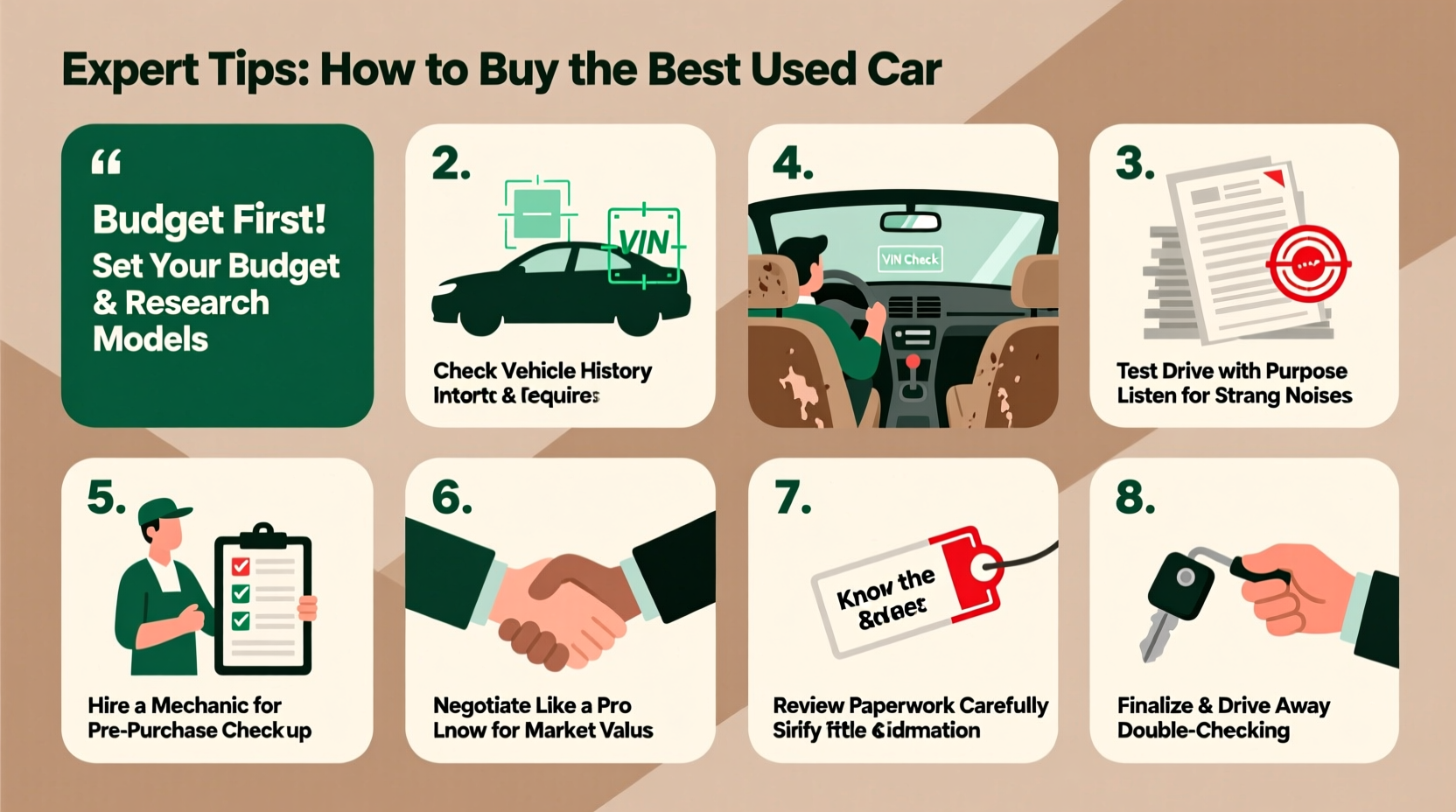
Before browsing listings, clarify what you need in a vehicle. Are you commuting daily, hauling kids, or planning road trips? Consider fuel efficiency, cargo space, safety ratings, and reliability. Once your needs are clear, determine a firm budget—not just the purchase price, but ongoing costs like insurance, maintenance, fuel, and registration.
A common rule is to spend no more than 15% of your monthly take-home pay on transportation. Include a buffer for unexpected repairs. Always secure financing in advance, either through a credit union, bank, or pre-approved loan, so you’re not pressured into dealer financing with higher rates.
Tip: Use online calculators to estimate total ownership costs over five years, including depreciation, maintenance, and fuel.Step 2: Research Reliable Models and Market Value
Not all used cars are created equal. Some models have long track records of durability, while others are known for recurring mechanical issues. Focus on vehicles with strong resale value, high safety ratings, and low cost of ownership.
Consult trusted sources like Consumer Reports, J.D. Power, and the National Highway Traffic Safety Administration (NHTSA) for reliability data and recall history. Look up specific model years—sometimes a redesign introduces problems that weren’t present in earlier versions.
Use tools like Kelley Blue Book (KBB), Edmunds, and NADA Guides to determine fair market value based on condition, mileage, and location. Avoid overpaying by comparing similar listings in your area.
| Vehicle Model | Reliability Score (out of 5) | Avg. Annual Repair Cost | Top Resale Value (after 3 years) |
|---|---|---|---|
| Honda Accord | 4.5 | $450 | 68% |
| Toyota Camry | 4.7 | $420 | 70% |
| Ford F-150 | 4.0 | $650 | 62% |
| Subaru Outback | 4.3 | $500 | 65% |
Step 3: Locate Quality Listings and Verify Vehicle History
Start your search on reputable platforms such as Carfax, Autotrader, Cars.com, and manufacturer-certified pre-owned programs. Certified pre-owned (CPO) vehicles often come with extended warranties, thorough inspections, and roadside assistance—worth the slight premium.
Always request the vehicle identification number (VIN) and run a comprehensive history report using Carfax or AutoCheck. These reports reveal past accidents, title branding (e.g., salvage, flood), service records, and number of previous owners.
“Over 30% of used cars have inaccurate or incomplete history reports. Always verify claims with documentation.” — Mark Reynolds, Senior Automotive Analyst at Edmunds
Be cautious of red flags like inconsistent mileage, frequent oil changes in short intervals (indicating rental or fleet use), or signs of title washing—where a salvage vehicle is re-registered in another state to hide its history.
Step 4: Inspect the Car Thoroughly—In Person and Mechanically
No matter how clean the listing photos or persuasive the seller, a physical inspection is non-negotiable. Schedule a daytime viewing in good lighting. Check for mismatched paint, uneven panel gaps, or overspray—signs of prior collision work.
Examine tires for uneven wear, which may indicate alignment issues. Test all lights, electronics, air conditioning, and infotainment systems. Open and close doors, hood, and trunk to assess fit and operation.
Take the car for a test drive under real-world conditions: accelerate, brake, turn, and listen for unusual noises. Pay attention to transmission shifts, steering responsiveness, and suspension comfort.
Tip: Bring a flashlight and a small magnet to check for excessive body filler—magnets won’t stick to bondo or plastic repair materials.The most crucial step? Hire an independent mechanic for a pre-purchase inspection (PPI). For $100–$200, they’ll uncover hidden problems like engine wear, transmission slippage, or frame damage. It’s the best insurance you can buy.
Step 5: Negotiate Smartly and Finalize the Purchase
Armed with research, inspection results, and market data, you’re in a strong position to negotiate. Start below the asking price—typically 10–15% lower for private sellers, less for dealers. Use flaws found during inspection or comparison pricing as leverage.
Be ready to walk away. Sellers who refuse a PPI, pressure quick decisions, or avoid answering questions are warning signs. If the deal feels rushed or too good to be true, it probably is.
When terms are agreed upon, ensure all paperwork is complete: title transfer, bill of sale, release of liability, and maintenance records. Confirm the title is clean and matches the VIN. In some states, a smog or safety inspection is required before registration.
- Review the vehicle history report together with the seller.
- Negotiate based on documented issues or market comparisons.
- Arrange for a certified mechanic’s inspection.
- Finalize financing or payment method (avoid wire transfers; use cashier’s checks or escrow).
- Complete all legal documents and confirm ownership transfer.
Mini Case Study: Sarah’s Smart SUV Purchase
Sarah wanted a family-friendly SUV under $18,000. After researching, she shortlisted the Honda CR-V and Toyota RAV4. She found a 2019 CR-V with low mileage advertised privately. The Carfax showed one owner and routine maintenance, but she insisted on a PPI. The mechanic discovered worn CV joints and a leaking rear differential—repairs estimated at $1,800.
Sarah presented the findings and offered $3,000 below asking. The seller accepted, and she walked away with a reliable vehicle priced fairly. By following due diligence, she saved thousands in future repairs.
Common Mistakes to Avoid
- Skipping the test drive – You can’t judge ride quality or noise from photos.
- Not checking the VIN – A clean CARFAX isn’t guaranteed without it.
- Ignoring maintenance records – Spotty service history increases risk.
- Letting emotions drive the decision – Falling in love with a car clouds judgment.
- Paying in cash without protection – Use traceable payment methods when possible.
FAQ
How do I know if a used car is priced fairly?
Compare the listing price to KBB Fair Market Range and Edmunds TMV (True Market Value). Adjust for condition, mileage, and local demand. If it’s significantly below market, investigate why—it could be a scam or serious issue.
Is it safer to buy from a dealer or a private seller?
Dealers offer convenience and sometimes warranties, but prices are typically higher. Private sellers may offer better deals, but there’s no recourse if problems arise. Either way, a PPI and clean title are essential.
Should I buy a car with over 100,000 miles?
Mileage alone isn’t the deciding factor. A well-maintained car with 120,000 miles can outperform a neglected one with 60,000. Focus on service history, storage conditions, and mechanical condition over numbers.
Conclusion
Finding the best used car isn’t about luck—it’s about strategy. From defining your needs to negotiating with confidence, each step builds toward a smart, stress-free purchase. The time you invest in research, inspection, and verification pays dividends in reliability, safety, and long-term savings. Don’t rush the process. Arm yourself with knowledge, trust verified data over charm, and never skip the mechanic’s inspection.
🚀 Ready to find your next great car? Start by running a VIN check on three models you're considering, and share your experience in the comments below.








