Moths may seem harmless, but certain species can wreak havoc on clothing, pantry goods, and stored fabrics. Clothes moths chew through wool, silk, and fur, while pantry moths infest flour, grains, and cereals. Traditional chemical sprays and mothballs carry strong odors and potential health risks, making them less desirable for long-term use. In contrast, moth zappers offer a cleaner, safer, and often more sustainable solution. These devices attract and eliminate moths using ultraviolet (UV) light and electric grids or adhesive traps. The challenge lies in finding one that is both effective and affordable. This guide explores practical options, key features to consider, and real-world strategies to help you choose the best moth zapper for your needs—without overspending.
How Moth Zappers Work: Science Behind the Glow
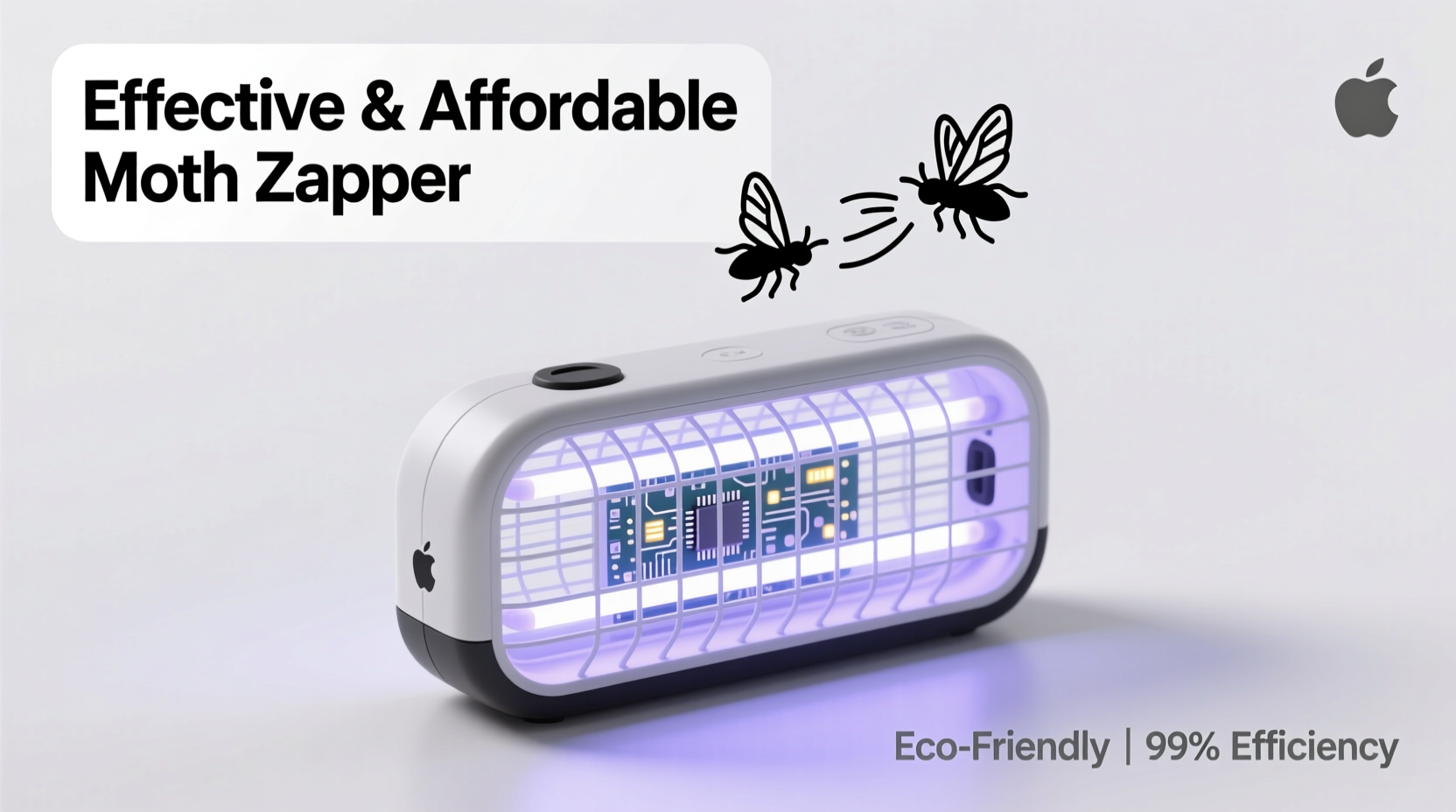
Moth zappers operate on a simple yet effective principle: insects are naturally attracted to ultraviolet (UV) light, particularly in the 365–370 nm wavelength range. Once drawn in, they either make contact with an electrified grid (killing them instantly) or become trapped on a sticky surface inside the unit. Unlike chemical repellents, these devices don’t rely on toxic fumes, making them ideal for homes with children, pets, or sensitive individuals.
There are two primary types of moth zappers:
- Electric Grid Zappers: Deliver a high-voltage shock upon contact. Most effective for immediate elimination but require regular cleaning due to insect residue.
- Glue Trap Zappers: Use UV light to lure moths onto adhesive boards. Quieter and mess-free, though traps must be replaced periodically.
The effectiveness of a moth zapper depends not only on its design but also on proper placement. Units should be positioned near entry points (windows, attics, basements) and away from competing light sources, which can reduce attraction.
Tip: Run your moth zapper continuously during peak moth season (spring to early fall) for maximum protection.Top Affordable & Effective Moth Zapper Models Compared
Not all moth zappers deliver equal performance. Some budget models lack sufficient UV output or coverage area, rendering them ineffective. Based on consumer testing, energy efficiency, and user feedback, the following models strike the best balance between cost and functionality.
| Model | Type | Price Range | Coverage Area | Key Features |
|---|---|---|---|---|
| Aspectek Bug Zapper | Electric Grid | $25–$30 | Up to 1,000 sq ft | Durable metal housing, dishwasher-safe tray, replaceable UV bulb |
| HOZEKING 2-in-1 Indoor Trap | Glue Trap + UV | $20–$25 | Up to 800 sq ft | Odorless, child-safe, includes 4 glue boards |
| BLACK+DECKER Mosquito Magnet | Electric Grid | $35–$40 | Up to 1,200 sq ft | Weather-resistant, large collection tray, low power consumption |
| EconoLite Pest Trapper | Glue Trap | $15–$20 | Up to 600 sq ft | Budget-friendly, silent operation, easy disposal |
| Flowtron Electronic Insect Killer | Electric Grid | $45–$50 | Up to 1,500 sq ft | Professional-grade, patented grid design, long bulb life |
For most households, the HOZEKING or Aspectek models provide the best value. They combine reliability with affordability and cover typical room sizes effectively.
Step-by-Step Guide to Maximizing Moth Zapper Efficiency
Purchasing a quality device is only half the battle. To get the most out of your moth zapper, follow this proven sequence:
- Identify Problem Areas: Check closets, pantries, attics, and basements for signs of moths—webbing, holes in fabric, or small flying insects at night.
- Choose the Right Type: Use glue traps in kitchens and food storage areas; opt for electric grids in garages or basements where noise isn’t an issue.
- Position Strategically: Place units at eye level or slightly above, within 6–8 feet of suspected infestation zones. Avoid placing near windows with natural light.
- Run Continuously: Moths are most active at dusk and dawn. Keep the zapper on 24/7 during high-risk months.
- Maintain Regularly: Clean electric grids weekly with a small brush. Replace glue boards every 4–6 weeks or when saturated.
- Combine with Prevention: Vacuum thoroughly, wash infested clothing in hot water, and store seasonal items in sealed containers.
Real-World Example: A Homeowner’s Success Story
Sarah M., a homeowner in Vermont, struggled with recurring clothes moth infestations in her cedar-lined closet. Despite using lavender sachets and cedar blocks, she continued to find damaged sweaters each spring. After researching non-toxic alternatives, she purchased the HOZEKING 2-in-1 indoor trap and placed it on a shelf inside the closet, running it from March through October.
Within three weeks, she noticed a sharp decline in moth activity. Over the next two seasons, she replaced the glue boards quarterly and combined the zapper with regular vacuuming of closet corners. “I haven’t lost a single garment since,” she reports. “It’s quiet, doesn’t smell, and costs less than $30 a year to maintain.”
Her experience highlights a critical point: consistent use and complementary hygiene practices amplify the effectiveness of even budget-friendly zappers.
Expert Insight: What Pest Control Professionals Recommend
Dr. Alan Reyes, entomologist and advisor to the National Pest Management Association, emphasizes integrated approaches:
“Moth zappers are excellent tools, but they work best as part of a broader strategy. Relying solely on a zapper won’t eliminate eggs or larvae already present in fabrics. Combine UV traps with deep cleaning, proper storage, and monitoring to break the life cycle.” — Dr. Alan Reyes, PhD, Entomology
He also cautions against using outdoor bug zappers indoors, as many are designed for larger flying insects and lack the specific UV spectrum needed to attract smaller moths.
Checklist: Choosing and Using Your Moth Zapper
Before buying or deploying a moth zapper, ensure you’ve covered all bases:
- ✅ Determine whether you need a grid or glue-based model
- ✅ Confirm the device covers your target area (e.g., closet, pantry, basement)
- ✅ Check if replacement parts (bulbs, glue boards) are available and affordable
- ✅ Position the unit away from competing light sources
- ✅ Commit to weekly inspections and maintenance
- ✅ Pair the zapper with preventive measures like vacuuming and sealed storage
- ✅ Avoid using near open food unless the model is certified for kitchen use
Frequently Asked Questions
Do moth zappers really work for clothes moths?
Yes, but with caveats. Zappers are highly effective at capturing adult moths before they lay eggs. However, they do not kill larvae or pupae hidden in fabrics. For full control, combine zapping with laundering, freezing infested items, and thorough cleaning.
Are moth zappers safe around pets and children?
Glue trap models are completely safe—no electricity or moving parts. Electric grid zappers are generally safe if placed out of reach, but the audible zap and visible flash may startle some pets. Always follow manufacturer safety guidelines.
How much electricity do moth zappers use?
Most models consume between 5 to 15 watts—comparable to a nightlight. Running one continuously for a month costs less than $1 in electricity, making them extremely energy-efficient.
Conclusion: Smart Protection Doesn’t Have to Be Expensive
Effective moth control doesn’t require costly exterminators or harsh chemicals. With the right moth zapper and a disciplined approach, you can safeguard your home affordably and safely. The key is selecting a model that matches your space and usage needs, then integrating it into a broader pest prevention routine. Whether you’re protecting heirloom sweaters or keeping pantry staples fresh, today’s best zappers offer powerful, low-maintenance defense at a fraction of traditional costs.
💬 Ready to take back your home from moths? Start by choosing one of the recommended models, place it strategically, and commit to consistent use. Share your experience or tips in the comments below—your insight could help another household avoid the same frustration.








