
Minor wounds—cuts, scrapes, burns, and abrasions—are common in daily life. While most heal on their own, the right ointment can accelerate recovery, reduce infection risk, and minimize scarring. Many people assume that expensive or prescription products are more effective, but numerous over-the-counter options deliver excellent results at a fraction of the cost. Understanding which ingredients work, how they function, and when to use them empowers you to make smart, budget-conscious decisions without compromising care.
Understanding Wound Healing Stages
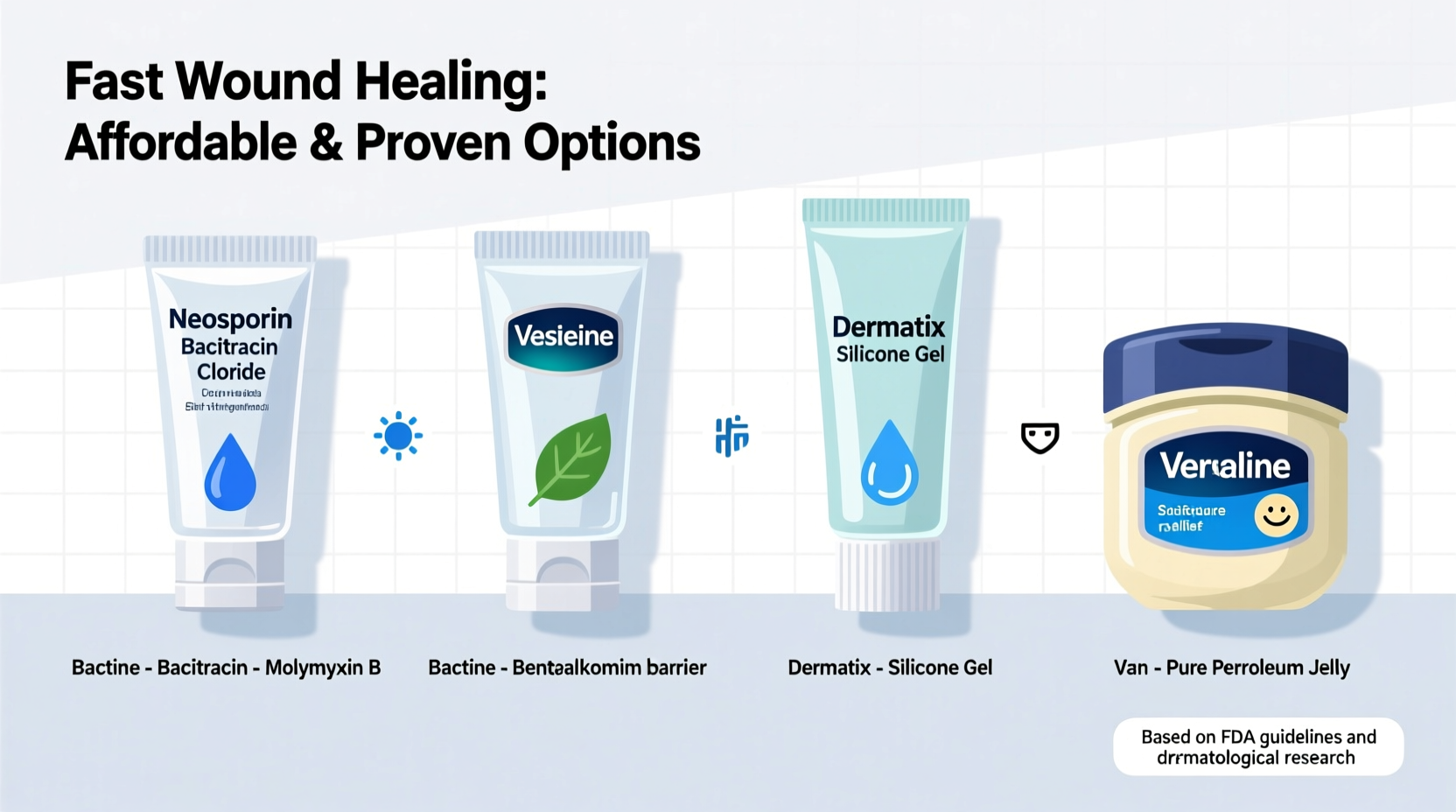
Before selecting an ointment, it helps to understand the natural process of wound healing. The body repairs tissue through three overlapping phases:
- Inflammatory phase: Begins immediately after injury. Blood clots form, and white blood cells clean the area of debris and bacteria.
- Proliferative phase: New tissue forms. Collagen is laid down, and new blood vessels develop.
- Maturation phase: The wound strengthens and remodels. Scar tissue matures over weeks or months.
Ointments primarily support the first two stages by maintaining moisture, preventing infection, and reducing inflammation. A moist environment has been shown to speed up epithelialization—the regrowth of skin cells—by up to 50% compared to dry, scabbed wounds.
Tip: Keep wounds covered with a breathable dressing and reapply ointment daily to maintain a moist healing environment.Top Affordable Ointments for Fast Healing
Not all ointments are created equal. Some rely on proven active ingredients, while others include unnecessary additives. Below are some of the most effective and accessible options available without a prescription.
| Ointment Type | Key Ingredient(s) | Best For | Average Price (USD) |
|---|---|---|---|
| Petroleum Jelly (e.g., Vaseline) | Pure petroleum jelly | Minor scrapes, dry wounds, protection | $2–$4 |
| Bacitracin | Bacitracin zinc | Preventing infection in small cuts | $3–$5 |
| Neosporin (Triple Antibiotic) | Bacitracin, neomycin, polymyxin B | Cuts, burns, surgical incisions | $5–$8 |
| Silvadene (Silver Sulfadiazine) | Silver sulfadiazine | Second-degree burns (requires prescription in many regions) | $10–$20 |
| Manuka Honey (Medical Grade) | Methylglyoxal (MGO)-rich honey | Chronic wounds, infected sores | $10–$15 |
Petroleum jelly remains one of the most underrated yet effective wound care tools. It doesn’t contain antibiotics, but its occlusive nature seals in moisture and protects against dirt and bacteria. Studies show that covering wounds with petroleum jelly reduces scab formation and speeds healing with minimal risk.
How to Choose the Right Ointment
Selecting the best ointment depends on wound type, location, and individual health factors. Consider the following checklist before application:
- Is the wound clean and free of debris?
- Is there visible redness, pus, or swelling indicating infection?
- Does the person have allergies to antibiotics like neomycin?
- Is the wound in a high-friction area (e.g., elbow, heel)?
- Is the patient diabetic or immunocompromised?
Step-by-Step Guide to Applying Wound Ointment
- Clean the wound: Rinse gently with lukewarm water and mild soap. Use sterile gauze to remove dirt.
- Pat dry: Dab around the wound with a clean towel. Do not rub.
- Apply ointment: Use a cotton swab or gloved finger to spread a thin layer over the affected area.
- Cover if necessary: Use a non-stick bandage or sterile dressing, especially for open or exuding wounds.
- Reapply daily: Change the dressing and reapply ointment once per day, or as directed.
- Monitor for signs of infection: Increased pain, redness, warmth, or pus require medical attention.
“Moist wound healing is one of the most well-supported concepts in dermatology. Simple petroleum jelly, when used correctly, often outperforms costly branded ointments.” — Dr. Lena Patel, Board-Certified Dermatologist
Real-World Example: Treating a Kitchen Burn
Consider Maria, a home cook who accidentally brushes her forearm against a hot pan. She develops a small second-degree burn with blistering. Instead of reaching for an expensive burn gel, she follows these steps:
- Rinses the area under cool running water for 10 minutes.
- Dries gently and applies a thin layer of bacitracin ointment.
- Covers it with a non-adherent pad and changes the dressing daily.
Within six days, the blister resolves, and new skin forms with no infection or significant scarring. Her total cost: less than $5. This case illustrates that proper technique and basic ointments can yield excellent outcomes.
When to Avoid Certain Ointments
While many ointments are safe, some situations call for caution:
- Hydrocortisone creams: Should not be used on open wounds; they suppress immune response and may delay healing.
- Antibiotic ointments with neomycin: High allergy risk; avoid with recurrent use.
- Home remedies like butter or essential oils: Can introduce bacteria or irritants. Not recommended for open injuries.
For individuals with diabetes or poor circulation, even minor wounds can become serious. These patients should consult a healthcare provider early, even if the injury seems trivial.
Frequently Asked Questions
Can I use regular hand cream instead of wound ointment?
No. Hand creams often contain fragrances, preservatives, and emulsifiers that can irritate broken skin. Stick to ointments formulated for wound care, such as petroleum jelly or antibiotic creams.
How long should I keep using ointment on a healing wound?
Continue daily application until the wound is fully closed and no longer weeping—typically 5 to 10 days for minor injuries. Once a scab is gone and new skin is intact, moisturizing is sufficient.
Is Manuka honey really effective for wound healing?
Yes, clinical studies support medical-grade Manuka honey for treating infected or chronic wounds. Its natural hydrogen peroxide content and high sugar concentration create an antibacterial environment. However, only use sterilized, medical-grade products—not store-bought honey.
Final Recommendations and Action Plan
Effective wound care doesn’t require expensive solutions. A well-stocked first aid kit with petroleum jelly, bacitracin, and sterile dressings covers most everyday injuries. Prioritize cleanliness, moisture retention, and consistent coverage. Avoid over-treating with multiple products, which increases the risk of irritation or allergic reaction.
For households on a budget, petroleum jelly offers unmatched value. At under $3 per tub, it supports healing just as effectively as many triple-antibiotic brands for non-infected wounds. Reserve antibiotic ointments for cases where contamination is likely—such as outdoor scrapes or puncture wounds.
“The best ointment is the one used consistently and correctly. Simplicity often wins in wound care.” — Dr. Alan Zhou, Family Medicine Physician🚀 Start today: Check your medicine cabinet. Replace expired ointments and stock up on petroleum jelly and bacitracin. Being prepared means faster healing when accidents happen.









