
Walking your dog should be a simple pleasure—a chance to bond, exercise, and enjoy the outdoors. Yet for many pet owners, that routine is complicated by a growing wardrobe of tiny sweaters, seasonal costumes, and decorative collars. At the same time, concerns about safety, posture, and control during walks have made harnesses a must-have for responsible pet care. So where’s the line? Does your dog actually benefit from another cute outfit, or would they be better served by a well-fitted, supportive harness?
The answer isn’t always straightforward. Fashion and function often collide in the world of pet accessories, and understanding when to prioritize one over the other can make a real difference in your dog’s comfort, health, and happiness.
Understanding the Purpose: Clothes vs. Harness
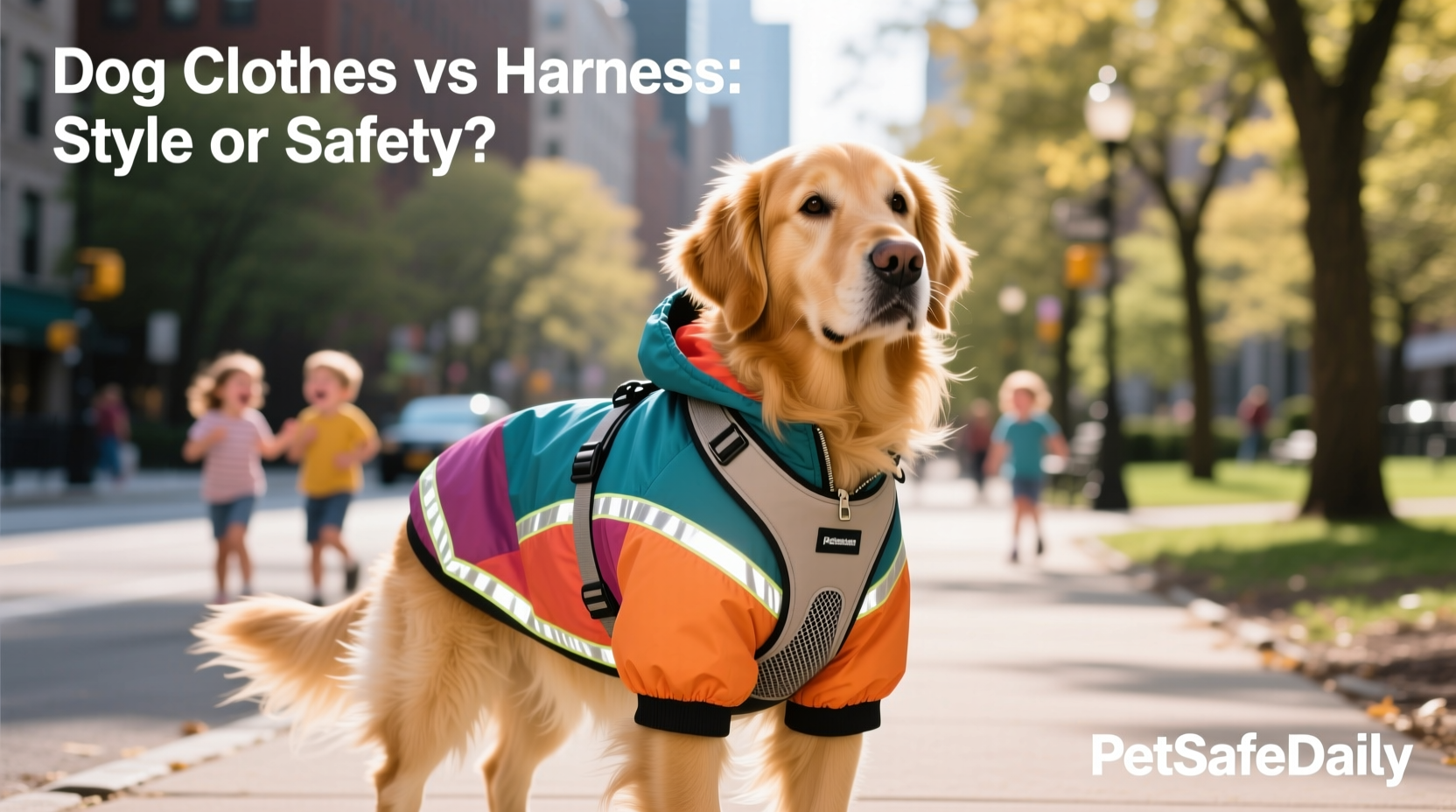
Dog clothing has become increasingly popular, especially with social media showcasing pets in seasonal attire. From raincoats to holiday sweaters, these garments are often marketed as essential. But in most cases, they serve an aesthetic purpose rather than a practical one.
In contrast, a harness is designed with utility and safety in mind. Unlike traditional collars, which place pressure on the neck and trachea, a well-designed harness distributes force across the chest and shoulders—reducing strain, preventing injury, and improving control during walks.
While some dogs genuinely benefit from clothing—especially those with short coats in cold climates—most do not need elaborate wardrobes. A harness, however, is nearly universal in its usefulness, particularly for dogs that pull, are prone to respiratory issues, or are still learning leash manners.
Tip: If your dog shivers in winter, consider a lightweight thermal vest—not a bulky sweater that restricts movement.When Dog Clothes Make Sense
There are legitimate reasons to dress your dog. These include:
- Cold weather protection: Small breeds, senior dogs, or those with thin coats (like Chihuahuas or Greyhounds) may struggle to regulate body temperature in freezing conditions.
- Skin conditions: Some dogs with allergies or sensitivities benefit from protective clothing that shields their skin from irritants.
- Post-surgery recovery: Medical garments or onesies help prevent licking and protect surgical sites.
- Rain and moisture: Waterproof jackets keep dogs dry during wet-weather walks, reducing the risk of chills and damp fur-related odors.
However, even in these cases, functionality should trump fashion. Look for breathable, non-restrictive materials that allow full range of motion. Avoid tight seams, hoods that limit vision, or fabrics that cause overheating.
“Dressing a dog should never compromise mobility or thermoregulation. If a garment causes panting, reluctance to move, or constant scratching, it’s doing more harm than good.” — Dr. Lena Torres, DVM, Canine Behavior and Wellness Specialist
Why a Harness Is Non-Negotiable for Most Dogs
A collar alone is insufficient for safe, comfortable walking—especially for dogs that pull or have preexisting health conditions. Consider these facts:
- Pulling on a collar can damage the trachea, thyroid, and cervical spine.
- Dogs with brachycephalic syndrome (e.g., Pugs, Bulldogs) are at higher risk of respiratory distress when pressure is applied to the neck.
- Even well-trained dogs can lunge at squirrels or react to sudden noises, creating dangerous spikes in neck pressure.
A properly fitted harness eliminates these risks by shifting tension away from sensitive areas. Front-clip harnesses, in particular, gently discourage pulling by redirecting the dog’s momentum toward the handler.
Choosing the Right Harness: Key Features
| Feature | Why It Matters | Recommended For |
|---|---|---|
| Adjustable straps | Ensures secure fit without chafing | All dogs, especially growing puppies|
| Front and back attachment points | Offers versatility in training and control Pullers, reactive dogs||
| Padded chest panel | Prevents rubbing and pressure sores Small breeds, seniors||
| Reflective stitching | Increases visibility during low-light walks Urban dogs, early morning/evening walkers||
| Quick-release buckles | Allows for easy on/off, especially in wet conditions Active households
Mini Case Study: Max, the Overdressed Terrier
Max, a 3-year-old Jack Russell Terrier, lived in Chicago, where winters were harsh. His owner, Sarah, bought him a new outfit every season—plaid shirts for fall, a reindeer sweater for Christmas, and even a raincoat with a hood. While Max looked adorable on Instagram, Sarah noticed he was reluctant to go outside, often crouching or trying to rub the clothes off.
After consulting her vet, she learned that the high neckline of the sweaters was pressing against Max’s collarbone and restricting shoulder movement. Combined with a standard collar, this created discomfort during walks. She switched to a lightweight, sleeveless thermal vest and invested in a no-pull harness with a front clip. Within days, Max was eager to walk again—tail wagging, ears up, and clearly more comfortable.
The lesson? Style should never override biomechanics.
Action Plan: What You Should Do Today
If you’re unsure whether your dog needs more clothes or a better harness, follow this step-by-step checklist:
- Evaluate your dog’s breed and coat type. Does he naturally struggle in cold or wet weather?
- Assess current walking gear. Are you using a collar only? Does your dog pull or cough during walks?
- Test existing clothing. Put it on and observe: Does your dog move freely? Does he scratch, hunch, or resist?
- Invest in a quality harness. Choose one with adjustable straps and a front-clip option if pulling is an issue.
- Limited clothing to true functional needs. One well-made jacket for winter is better than five decorative sweaters.
- Monitor behavior changes. Note improvements in willingness to walk, breathing, and overall comfort.
Frequently Asked Questions
Can I use a harness and clothing together?
Yes, but carefully. Ensure the clothing doesn’t interfere with harness fit or create friction points. Avoid bulky layers underneath. Sleeveless vests work best under harnesses.
Are dog clothes cruel?
Not inherently—but ill-fitting, restrictive, or unnecessary clothing can cause stress and physical discomfort. Use clothes only when there’s a clear benefit to your dog’s well-being.
How do I know if my harness fits correctly?
You should be able to fit two fingers snugly under any strap. The harness shouldn’t shift excessively or pinch. Watch for signs of redness, limping, or reluctance to move after walks.
Conclusion: Prioritize Safety Over Style
Your dog doesn’t need a closet full of outfits to be happy. What they do need is safety, comfort, and the freedom to move without restriction. Before buying another novelty costume, ask yourself: Will this improve my dog’s life—or just my social feed?
A well-chosen harness isn’t just an accessory; it’s a tool for healthier walks, better behavior, and long-term joint and respiratory health. When you balance necessity with compassion, you give your dog the gift of both dignity and protection.
🚀 Take action today: Evaluate your dog’s current walking gear. If they’re on a collar or wearing clothes that limit movement, make the switch to a proper harness. Your dog will thank you with every confident, joyful step.








