
If you’ve noticed a sweet, syrup-like odor inside or around your car—especially when idling or after turning off the engine—it’s likely coolant leaking from your vehicle’s cooling system. Antifreeze, also known as engine coolant, is designed to regulate engine temperature and prevent overheating. When it leaks, not only does it produce a distinctive smell, but it also puts your engine at risk of serious damage. Ignoring this issue can lead to costly repairs or even total engine failure.
This article breaks down the most common causes of a coolant smell in your car, explains how to diagnose an antifreeze leak, and provides actionable steps to resolve the problem before it escalates.
Why Does Coolant Smell Sweet?
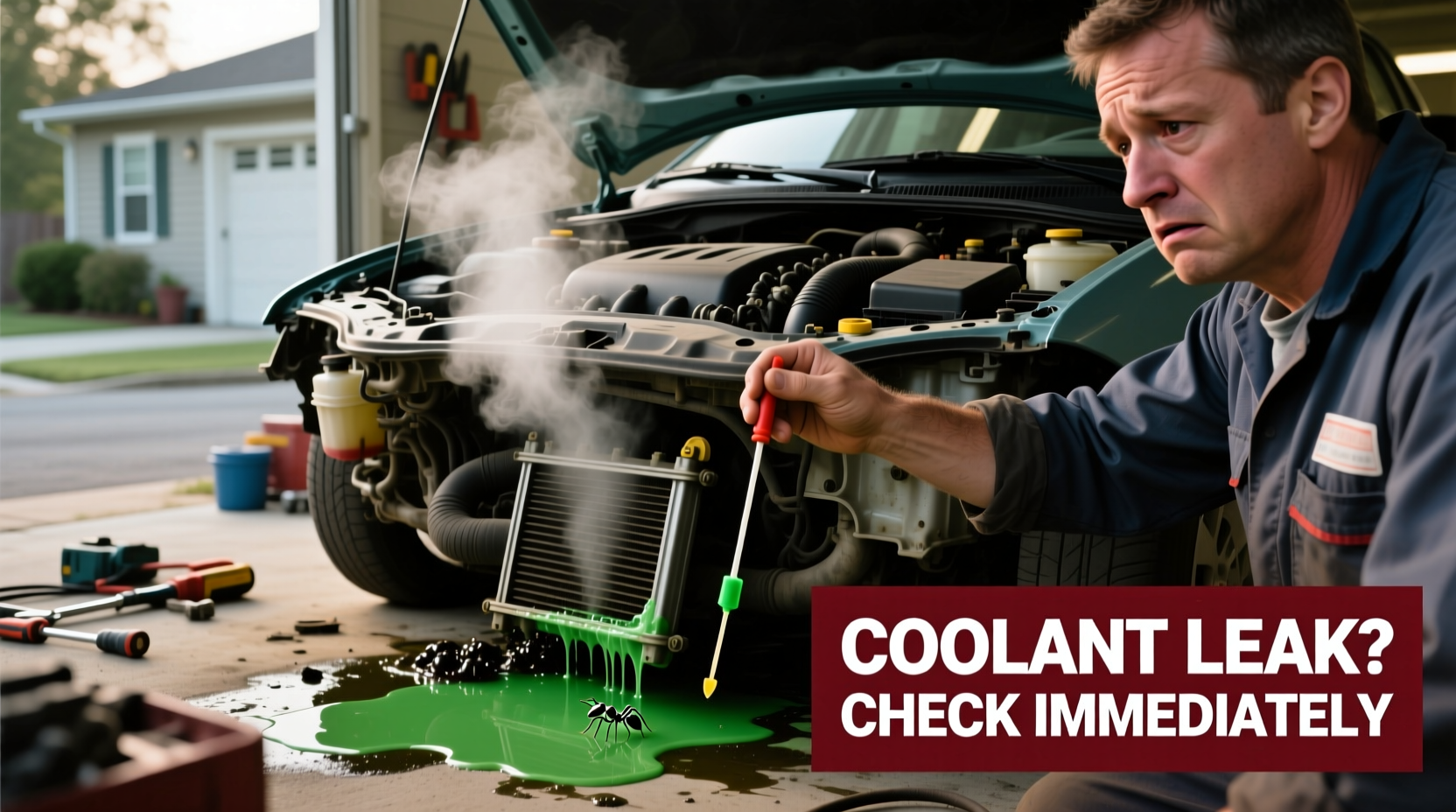
The sweet, almost candy-like scent associated with coolant comes from ethylene glycol, the primary chemical compound in most antifreeze formulations. This substance has a naturally sugary aroma, which becomes more noticeable when heated—such as when the engine runs hot or coolant evaporates on hot engine components.
While the smell might seem harmless, it’s a red flag. Inhaling concentrated coolant fumes can be toxic, and any persistent odor suggests a leak that needs immediate attention. Ethylene glycol is also highly toxic to pets and children if spilled or leaked onto driveways, so prompt cleanup and repair are essential.
Tip: If you smell coolant while driving, turn off the air conditioning and switch to fresh air mode to avoid inhaling fumes through the cabin vents.Common Causes of Coolant Smell and Leaks
A coolant odor usually means there’s a breach somewhere in the cooling system. Here are the most frequent culprits:
- Radiator cracks or corrosion: Over time, radiators degrade due to heat cycles and internal pressure. Small cracks or pinholes can develop, allowing coolant to escape and vaporize upon contact with hot surfaces.
- Leaking radiator or heater hoses: Hoses connecting the radiator, engine, and heater core can weaken, crack, or loosen at clamps, leading to slow seepage or sudden bursts.
- Faulty water pump seal: The water pump circulates coolant throughout the engine. A failing seal often drips coolant near the front of the engine and may produce a whining noise.
- Cracked or blown head gasket: One of the most serious issues. A compromised head gasket allows coolant to enter combustion chambers or oil passages, causing white exhaust smoke, milky oil, and overheating.
- Loose or damaged coolant reservoir cap: A weak cap can’t maintain proper system pressure, causing coolant to boil over and release vapors into the engine bay.
- Heater core leak: Located inside the dashboard, a leaking heater core releases coolant into the cabin, producing a sweet smell through the vents and foggy windows.
“Even a small coolant leak can escalate quickly. I’ve seen engines ruined within days because drivers ignored the smell.” — Mark Reynolds, ASE-Certified Master Technician
Step-by-Step Guide: How to Diagnose a Coolant Leak
Follow this methodical approach to pinpoint the source of the smell and determine the severity of the issue.
- Inspect for visible leaks: Park your car on a clean, flat surface overnight. Check under the engine the next morning for green, orange, pink, or yellow puddles—common coolant colors depending on type.
- Check coolant levels: With the engine cold, remove the radiator cap and inspect fluid level. Also check the overflow reservoir. Low levels without recent top-offs suggest a leak.
- Examine hoses and connections: Look for bulges, cracks, soft spots, or dampness along hose routes. Pay close attention to clamped ends.
- Inspect the radiator and water pump: Shine a flashlight around the radiator fins and lower tank. Look for crusty residue (dried coolant) or active dripping. Check the water pump weep hole (small hole at the bottom) for moisture.
- Smell test inside the cabin: If the sweet odor is strongest when using the heater, suspect a heater core leak. Fogging interior windows support this diagnosis.
- Monitor engine temperature: Frequent overheating, especially during short drives, indicates insufficient coolant circulation due to leaks or blockages.
- Test for combustion gases in coolant: Use a block tester (available at auto parts stores) to detect hydrocarbons in the coolant—a sign of head gasket failure.
Do’s and Don’ts When You Smell Coolant
| Do’s | Don’ts |
|---|---|
| Stop driving if the engine begins to overheat | Ignore the smell and continue driving |
| Top off coolant temporarily with the correct type | Mix different coolant types (can cause gel formation) |
| Have the system pressure tested by a mechanic | Drive long distances with low coolant |
| Clean up spilled coolant immediately (use kitty litter) | Assume it’s just “normal engine smell” |
| Replace worn hoses or clamps proactively | Use stop-leak products in modern engines (can clog heaters) |
Real Example: A Hidden Heater Core Leak
Jessica, a schoolteacher from Portland, began noticing a faint sweet smell every time she turned on her car’s heater in the fall. She assumed it was seasonal debris until her windshield started fogging from the inside—even with defrosters on. After topping off her coolant twice in one week, she brought her 2015 Honda Accord to a local shop.
The technician performed a pressure test and found no external leaks. However, upon removing the cabin air filter, he discovered dampness soaked with coolant residue. The heater core was slowly leaking into the HVAC housing. Replacing it took three hours and cost $480, but it prevented further damage and eliminated the dangerous fumes inside the cabin.
Her case highlights how some coolant leaks aren’t visible under the hood but still pose health and safety risks.
What to Do Next: Immediate Actions
If you’re experiencing a coolant smell, follow these critical next steps:
- Stop driving if the temperature gauge rises above normal. Continuing to drive risks warping cylinder heads or cracking the engine block.
- Add coolant only if the engine is cool. Never open the radiator cap on a hot engine—pressure buildup can cause severe burns.
- Contact a trusted mechanic for a pressure test. This diagnostic tool pressurizes the cooling system to reveal hidden leaks.
- Consider a UV dye test if the leak is intermittent. A fluorescent dye added to the coolant glows under UV light, making tiny leaks easy to spot.
- Replace faulty components promptly. Whether it’s a $10 radiator cap or a $600 water pump, timely replacement saves money in the long run.
FAQ: Coolant Smell and Antifreeze Leaks
Can a coolant leak cause my car not to start?
Not directly. However, if coolant enters the cylinders via a blown head gasket, it can hydrolock the engine, preventing startup. More commonly, overheating from low coolant triggers safety systems that disable ignition.
Is it safe to drive with a coolant smell?
No. Even minor leaks can worsen rapidly. Driving with low coolant risks overheating, which can destroy pistons, warp heads, or crack blocks. It’s best to have the vehicle towed if you can’t confirm the system is full and stable.
How much does it cost to fix a coolant leak?
Repairs vary widely: hose replacement ($80–$200), radiator repair ($300–$700), water pump ($400–$900), and head gasket ($1,200–$2,500). Early detection keeps costs low.
Conclusion: Act Fast Before Small Leaks Become Big Problems
A coolant smell in your car isn’t something to dismiss. It’s one of the clearest warning signs that your engine’s cooling system is compromised. Whether it’s a simple loose clamp or a failing head gasket, the consequences of delay can be catastrophic. By staying alert to odors, monitoring fluid levels, and acting quickly, you protect not only your engine but also your safety and wallet.
💬 Have you experienced a coolant leak? Share your story or questions below—your experience could help another driver avoid a breakdown.








