Walking your dog should be a joyful experience—for both of you. But when it comes to choosing a harness, the options can feel overwhelming. On one end of the spectrum, you have sleek, colorful, Instagram-worthy \"chic\" harnesses from premium brands. On the other, there’s the no-frills, functional \"basic\" harness available at any pet store. So, is the higher price tag on designer models justified? Or are basic harnesses just as effective—and smarter financially? The answer isn’t always straightforward, but with a closer look at design, materials, safety, and real-world use, you can make an informed decision that benefits your dog’s comfort and your peace of mind.
What Defines a Chic vs Basic Dog Harness?
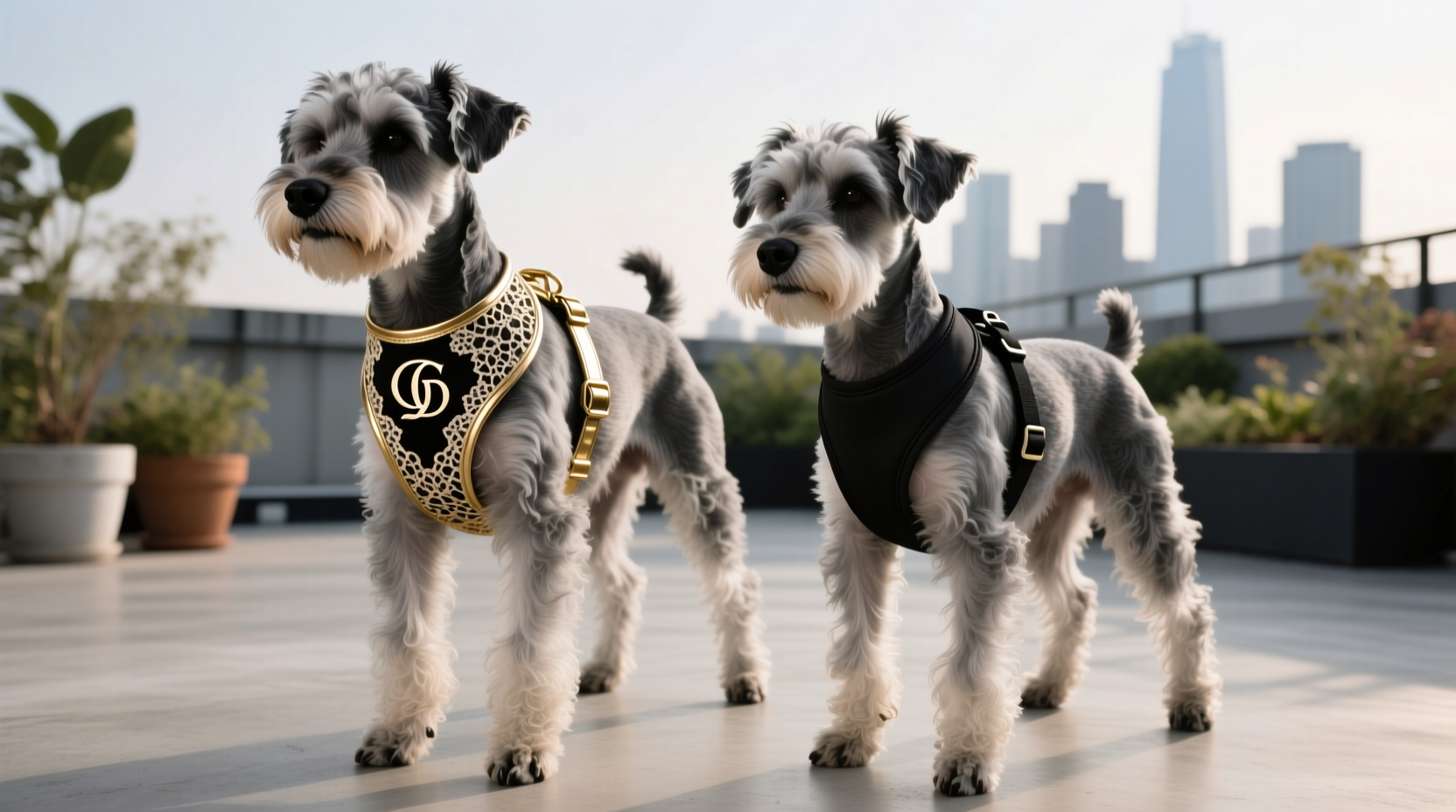
The difference between chic and basic dog harnesses often starts with aesthetics but extends into construction, branding, and features. A basic harness typically prioritizes function: adjustable straps, a secure clip, and a simple design made from durable nylon or polyester. These are commonly found in pet chains like Petco or Walmart and usually cost under $25.
Chic harnesses, on the other hand, come from specialty brands such as Wild One, Sleepypod, or Fi. They feature minimalist designs, neutral color palettes, reflective stitching, vegan leather accents, and sometimes even integrated GPS tracking. Prices range from $40 to over $100. While they may appear more like fashion accessories, many are engineered with advanced ergonomics and high-performance materials.
But style doesn't automatically mean substance. Just because a harness looks elegant doesn’t guarantee it performs better. The real test lies in how well it supports your dog's body, distributes pressure, and holds up over time.
Tip: Don’t judge a harness by its cover photo—check customer reviews for long-term durability and fit consistency.Safety and Comfort: Do Fancy Harnesses Perform Better?
Safety should always trump style when selecting a dog harness. A poorly designed harness—even if it looks expensive—can cause discomfort, restrict movement, or even lead to injury. Many chic harnesses now prioritize front-clip or dual-clip configurations, which help reduce pulling by redirecting your dog’s momentum. This is especially beneficial for dogs prone to leash reactivity.
Basic harnesses often use a back-clip design, which is fine for well-behaved dogs but can encourage pulling in stronger or excitable breeds. However, not all basic models lack innovation. Some budget-friendly brands now offer front-clip options, padded straps, and step-in designs for easier use.
Comfort hinges on padding, adjustability, and weight distribution. Higher-end harnesses frequently use neoprene padding, breathable mesh, and contoured shapes that follow a dog’s natural anatomy. In contrast, basic harnesses may skimp on padding, leading to chafing or pressure points during longer walks.
“Just like shoes, a harness needs to fit correctly to prevent strain. A $90 harness won’t help if it doesn’t suit your dog’s build.” — Dr. Lena Torres, DVM, Canine Rehabilitation Specialist
Material Quality and Longevity Comparison
Premium harnesses often use superior materials: ripstop nylon, YKK zippers, metal hardware, and water-resistant coatings. These contribute to longevity, especially for dogs who hike, swim, or live in wet climates. Basic harnesses typically rely on standard nylon webbing and plastic buckles, which can degrade faster under frequent use or exposure to moisture.
To illustrate the differences, here’s a comparison table highlighting key factors:
| Feature | Chic Harness (e.g., Wild One, Fi) | Basic Harness (e.g., Amazon, Petco) |
|---|---|---|
| Average Price | $45–$100 | $12–$25 |
| Materials | Ripstop nylon, neoprene padding, metal clips | Standard nylon, minimal padding, plastic clips |
| Adjustability | 4–6 adjustment points | 2–3 adjustment points |
| Durability (User-reported) | 2+ years with regular use | 6–18 months |
| Special Features | Reflective stitching, GPS integration, silent buckles | Limited to basic functionality |
| Ease of Use | Step-in or overhead with quick-release | Often requires lifting paws |
While the initial investment is higher for chic harnesses, their lifespan can justify the cost—especially if you walk your dog daily or live in a rugged environment.
Real-World Example: Max the Hiking Lab Mix
Consider Max, a 60-pound Labrador mix adopted from a shelter. His owner, Sarah, initially bought a $15 basic harness from a local store. Within three months, the stitching near the chest strap began fraying, and the plastic buckle cracked during a trail hike. Max also developed mild shoulder irritation from rubbing.
Sarah switched to a $75 chic harness with padded shoulders, reinforced stitching, and a front-leash attachment. After a year of daily walks, weekend hikes, and occasional swims, the harness shows minimal wear. More importantly, Max pulls less and seems more comfortable. “It was pricey,” Sarah says, “but I’ve already saved money by not replacing cheap ones every few months.”
This case highlights a common pattern: for active dogs or those with sensitivities, investing in a higher-quality harness pays off in both performance and long-term value.
When a Basic Harness Makes Sense
That said, chic harnesses aren’t always necessary. For small, calm dogs—like a senior Pomeranian or a young indoor-loving Cavalier—a basic harness may be perfectly sufficient. If your dog doesn’t pull, spends limited time outdoors, or you’re training a puppy who will outgrow the size quickly, spending $80 on a harness might not be practical.
Additionally, some owners prefer having multiple affordable harnesses in different colors for easy rotation or backup. Basic models can also be ideal for temporary use—like borrowing for a pet-sitting gig or using during travel.
Tip: Always measure your dog’s girth and neck before purchasing—many returns happen due to poor fit, not poor quality.Choosing the Right Harness: A Step-by-Step Guide
- Assess your dog’s activity level: High-energy or working breeds benefit from supportive, durable harnesses.
- Check for health considerations: Dogs with tracheal issues, arthritis, or anxiety may need no-pull or vest-style harnesses.
- Measure accurately: Use a soft tape measure around the widest part of the chest and the neck.
- Determine clip preference: Front-clip reduces pulling; back-clip suits relaxed walkers.
- Set a realistic budget: Balance upfront cost with expected usage and lifespan.
- Read verified reviews: Look for feedback on durability, sizing accuracy, and comfort over time.
- Try it out: Monitor your dog’s movement and behavior during the first few walks.
FAQ
Can a stylish harness be safer than a basic one?
Not inherently—but many chic harnesses incorporate safety features like reflective strips, strong metal hardware, and ergonomic designs that reduce strain. Always verify safety certifications and independent testing when possible.
Do expensive harnesses last significantly longer?
In most cases, yes—especially with frequent use. Premium materials and construction methods often result in harnesses lasting two to three times longer than budget models, assuming proper care.
Are there affordable alternatives that combine style and function?
Yes. Brands like Blue-9, EzyDog, and Ruffwear offer mid-tier options ($30–$50) that balance aesthetics, comfort, and durability without luxury pricing.
Final Verdict: Is the Upgrade Worth It?
The decision between a chic and basic dog harness ultimately depends on your dog’s needs, lifestyle, and your own priorities. For casual walkers with low-impact routines, a well-fitted basic harness can be entirely adequate. But if you value durability, comfort, and thoughtful design—or if your dog is strong, active, or sensitive—a higher-end model may deliver noticeable improvements.
Think of it like footwear: you wouldn’t take a mountain hike in flip-flops, just as you wouldn’t expect a flimsy nylon harness to support years of daily adventures. The best choice isn’t about price alone—it’s about matching the tool to the task.
💬 Have you upgraded from a basic to a chic harness? What changed for you and your dog? Share your story in the comments and help fellow pet parents make smarter choices!








