If your car starts vibrating while driving, it’s more than just an annoyance—it can be a sign of serious mechanical issues. A shaking vehicle affects ride comfort, safety, and long-term reliability. The vibration might occur at certain speeds, during braking, or even when idling. Identifying the root cause early can prevent costly repairs and potential breakdowns. This guide breaks down the most frequent reasons behind car vibrations, how to diagnose them, and what steps you can take to restore smooth operation.
Why Does My Car Vibrate?
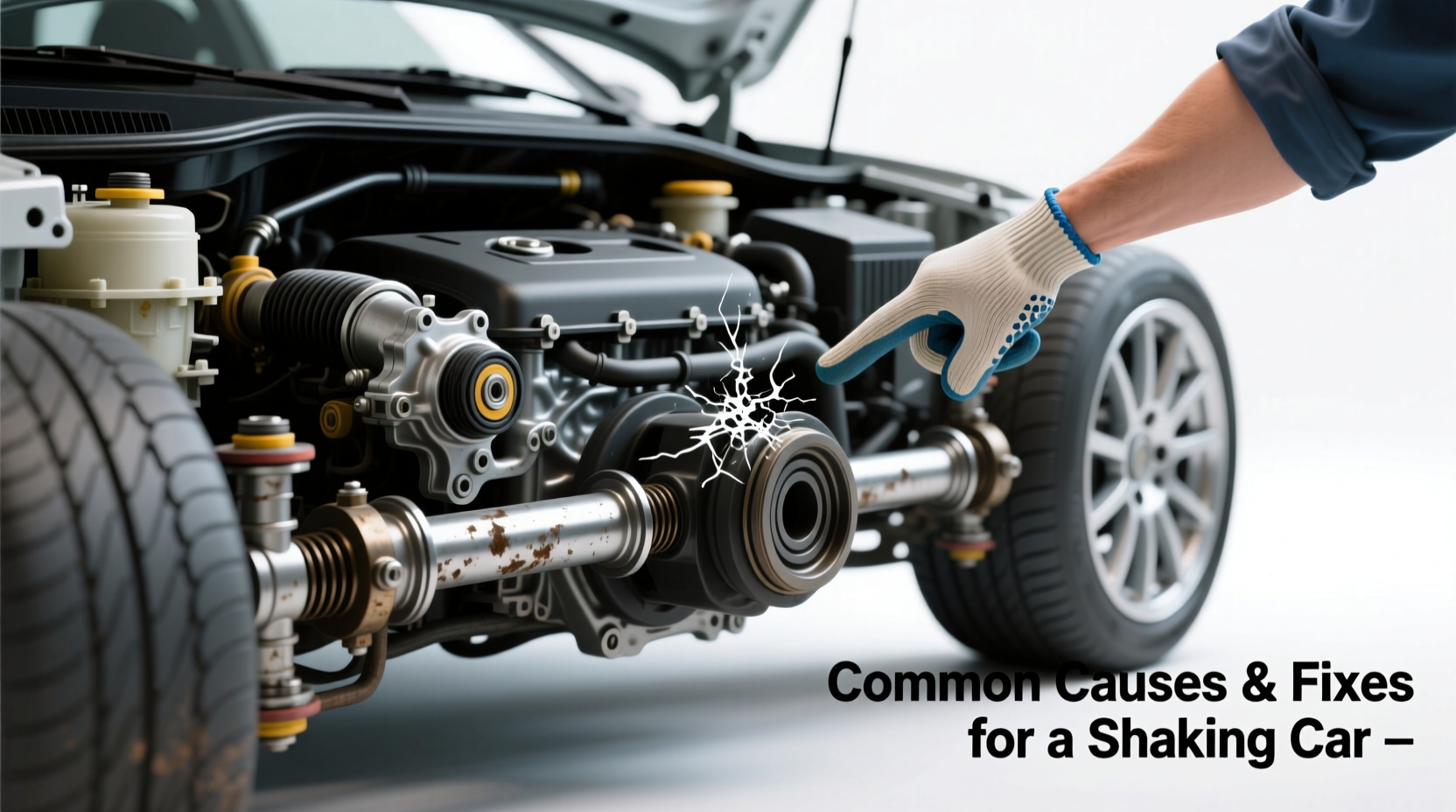
Vibrations in a vehicle are typically caused by imbalances, misalignments, wear, or mechanical failure in rotating or suspension components. The location and timing of the shake—whether it's felt in the steering wheel, floorboard, or throughout the cabin—can offer critical clues about the underlying problem. Common triggers include tire issues, brake problems, engine troubles, drivetrain defects, or suspension wear.
Ignoring persistent vibrations can lead to accelerated wear on other parts, reduced fuel efficiency, compromised handling, and even dangerous driving conditions. It’s essential to address the symptoms as soon as they appear.
Common Causes of Car Vibrations
Tire and Wheel Imbalance
One of the most frequent causes of vibration is unbalanced tires. Over time, tires lose their even weight distribution due to uneven tread wear, curb impacts, or missing wheel weights. This imbalance becomes noticeable at highway speeds (usually above 50 mph), causing a rhythmic shaking in the steering wheel or seat.
Tip: Have your tires balanced every 6,000 to 8,000 miles or whenever you notice new vibrations after hitting a pothole.Worn or Damaged Tires
Tread separation, bulges, flat spots, or uneven wear patterns (such as cupping) can all create vibrations. Visually inspect your tires for irregularities. If one tire has significantly different wear than the others, it may be the culprit.
Warped Brake Rotors
If the vibration occurs primarily when braking, warped rotors are likely to blame. Heat buildup from aggressive braking or moisture exposure can distort the rotor surface. As the brake pads press against the uneven surface, the steering wheel or pedal pulses rhythmically.
“Many drivers mistake brake-related vibrations for transmission issues. Always test under braking first.” — Mark Reynolds, ASE-Certified Master Technician
Alignment and Suspension Issues
Improper alignment, worn ball joints, bushings, or struts can lead to instability and shaking, especially over rough roads. These issues often develop gradually and may be accompanied by pulling to one side or abnormal tire wear.
Driveshaft and CV Joint Problems
In rear-wheel or all-wheel drive vehicles, a damaged driveshaft or worn CV joints can cause intense vibrations at speed. Symptoms include clunking noises during acceleration or turning, along with strong shuddering through the floor.
Engine Misfires or Mount Failure
When the vibration is most noticeable at idle or during acceleration, the source may be engine-related. Worn motor mounts fail to dampen engine movement, transmitting vibrations into the cabin. Similarly, misfiring cylinders disrupt smooth combustion, creating a jittery sensation.
Diagnosing the Source: A Step-by-Step Guide
To pinpoint the cause of your car’s vibration, follow this diagnostic process:
- Identify When the Vibration Occurs: Note whether it happens at idle, during acceleration, at cruising speed, or only when braking.
- Determine Where It’s Felt: Is it in the steering wheel (front-end issue), floor (drivetrain or rear wheels), or throughout the cabin (engine or balance problem)?
- Check Tire Condition: Look for uneven wear, bulges, or embedded debris. Use a tread depth gauge to compare across tires.
- Test Drive Strategically: Accelerate gradually and note the speed range where vibration begins. Then test while coasting and braking to isolate variables.
- Inspect Under the Hood: Check engine mounts for cracks or collapse. Look for oil leaks that could indicate seal failure near mounts.
- Lift the Vehicle Safely: With the car on jack stands, spin each wheel by hand to check for wobble or resistance. Inspect CV boots for tears.
- Scan for Error Codes: Use an OBD-II scanner to check for misfire codes (e.g., P0300–P0308) or transmission faults.
Do’s and Don’ts When Dealing With Car Vibrations
| Do’s | Don’ts |
|---|---|
| Rotate and balance tires regularly | Ignore vibrations that come and go |
| Inspect brakes annually or after hard use | Continue driving with severe shaking |
| Replace worn suspension components promptly | Assume all vibrations are tire-related |
| Use OEM-spec replacement parts | Delay repairs if engine mounts are cracked |
| Keep detailed service records | Overload your vehicle beyond GVWR |
Real-World Example: Diagnosing a Highway-Speed Shake
Consider Sarah, a commuter who noticed her sedan began vibrating around 65 mph. The shake was strongest in the steering wheel but disappeared when she slowed down. She initially assumed her tires were low on air, but pressure checks showed normal readings.
After rotating her tires, the vibration persisted. A mechanic then performed a high-speed balance and discovered one front wheel had lost two balancing weights. Once rebalanced, the shake vanished. In this case, a simple $30 service prevented unnecessary part replacements and restored driving confidence.
This example highlights why systematic diagnosis matters—what seems like a major issue can sometimes have a minor fix.
How to Fix a Shaking Car: Practical Solutions
The appropriate fix depends on the diagnosed cause:
- Tire Rebalancing: Visit a tire shop to have all wheels spun and reweighted. Often resolves mid-speed vibrations.
- Tire Replacement: Replace any tire with visible damage, less than 2/32” tread depth, or significant uneven wear.
- Brake Rotor Resurfacing or Replacement: If warping is confirmed, rotors can sometimes be machined; otherwise, replace in pairs.
- Alignment Adjustment: Correct improper toe, camber, or caster settings to ensure even tire contact and reduce vibration.
- Suspension Component Replacement: Swap out worn control arms, bushings, or ball joints to restore stability.
- Driveshaft or CV Joint Repair: Replace damaged joints or have the shaft dynamically balanced if bent.
- Engine Mount Replacement: Install new mounts if old ones are collapsed or cracked—this job may require professional tools.
- Ignition System Service: Replace faulty spark plugs, coils, or fuel injectors causing misfires.
Preventative Maintenance Checklist
Stay ahead of car vibrations with this monthly and annual checklist:
Monthly Checks
- Inspect tires for visible damage or wear
- Check tire pressure (including spare)
- Listen for unusual noises during acceleration or braking
- Feel for changes in steering feedback or pedal pulsation
Annual or Every 12,000 Miles
- Balance and rotate tires
- Inspect brake pads and rotors
- Examine suspension components for play or wear
- Check engine mounts for integrity
- Verify driveshaft and CV joint condition
- Perform full alignment check
Frequently Asked Questions
Can bad alignment cause my car to vibrate?
Yes, poor alignment can lead to uneven tire wear, which in turn creates imbalance and vibration, especially at higher speeds. While alignment itself doesn’t directly cause shaking, it contributes indirectly by accelerating tire degradation.
Is it safe to drive a car that vibrates?
Minor vibrations may not pose immediate danger, but persistent or worsening shakes should not be ignored. They can indicate failing components that might lead to loss of control, tire blowouts, or drivetrain failure. If the vibration is severe, stop driving and have the vehicle inspected.
Why does my car shake when I accelerate?
Shaking during acceleration often points to engine misfires, worn motor mounts, or issues with the CV joints/driveshaft. If the car jerks or stumbles along with the shake, a diagnostic scan for misfire codes is recommended.
Conclusion: Take Action Before It Gets Worse
A vibrating car is a warning signal—not something to dismiss as “just the way the car drives.” Whether the cause is a simple tire imbalance or a failing engine mount, timely intervention preserves safety, performance, and resale value. Use the diagnostic steps outlined here to narrow down the issue, and don’t hesitate to consult a qualified technician when needed.
💬 Experiencing a shaky ride? Share your story or solution in the comments below—your insight could help another driver get back on track!








