
In the quiet battle for automotive convenience, few accessories spark as much debate as the humble car tissue holder. Once a simple clip-on novelty, today’s models range from sleek magnetic mounts to sophisticated headrest-strap organizers. Among them, the headrest-mounted tissue holder has gained a loyal following—praised for its accessibility and clean look. But does it genuinely outperform traditional dashboard clips, or is its popularity more about marketing than merit? This deep dive compares both styles across practicality, safety, durability, and user experience to determine which reigns supreme.
The Rise of the Headrest Tissue Holder
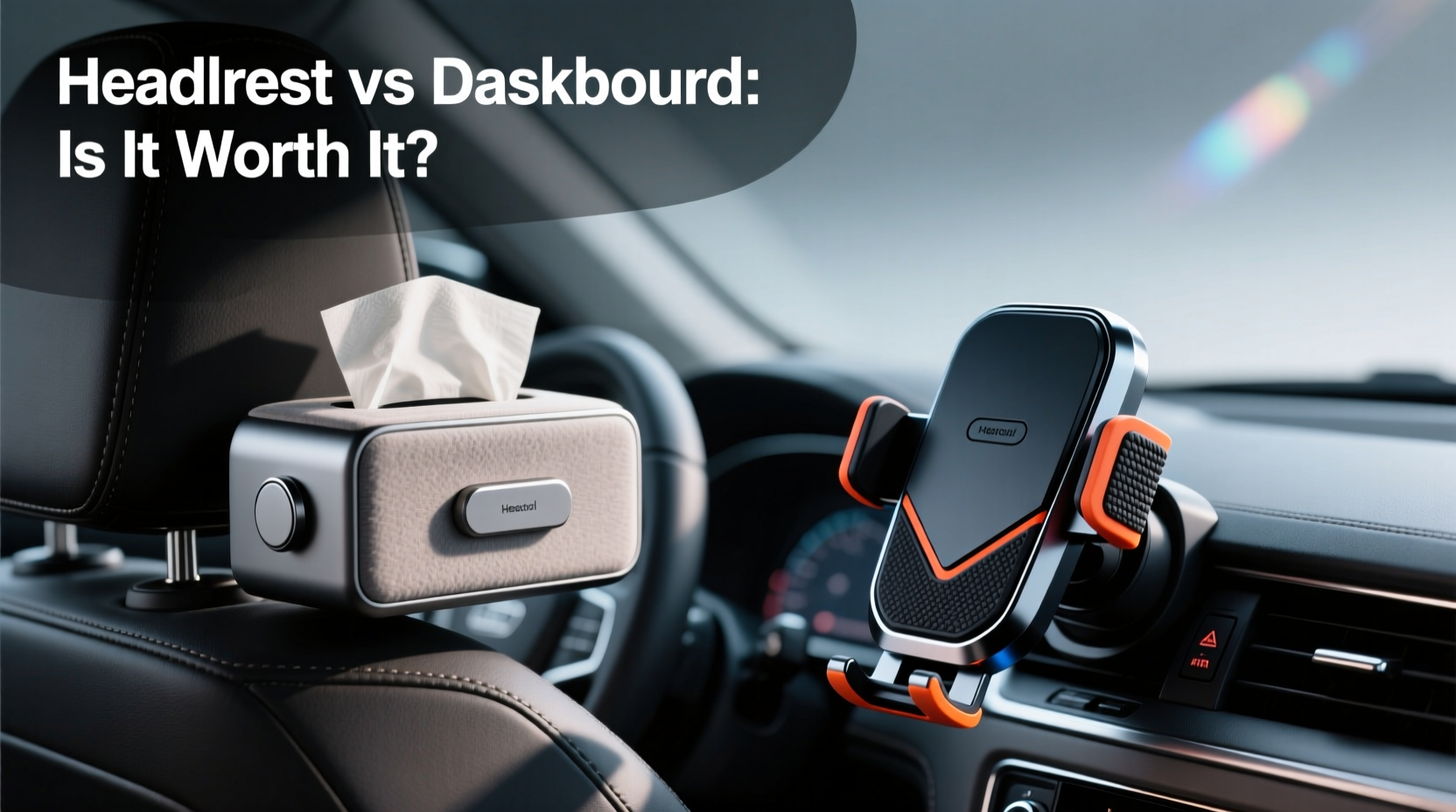
Headrest-mounted holders emerged as part of a broader trend toward “out-of-sight, in-reach” interior organization. Instead of cluttering dashboards or dangling from visors, these holders attach to the back of front seats using adjustable straps, positioning tissues within easy reach of rear passengers—and sometimes drivers, depending on placement.
Their appeal lies in their versatility. Families love them because kids in the back seat can access tissues without leaning forward. Long-distance drivers appreciate having supplies near but not obstructing the windshield. Plus, they’re often designed to hold more than just tissues—sanitizers, wipes, even small snacks find a home in multi-compartment versions.
Tip: If you frequently carry children or elderly passengers, a headrest holder improves independence and reduces distraction requests.Dash vs. Headrest: A Practical Comparison
To assess which option performs better, we evaluated five key factors: accessibility, safety, installation, aesthetics, and capacity. The table below summarizes how each type fares.
| Feature | Dashboard Holder | Headrest Holder |
|---|---|---|
| Accessibility (Driver) | Excellent – right in line of sight and reach | Fair – requires slight torso twist; may be awkward |
| Accessibility (Rear Passengers) | Poor – often unreachable without leaning | Excellent – directly in front of most backseat riders |
| Safety | Risk of obstruction or projectile in crash if poorly secured | Generally safer – mounted securely to seat frame |
| Installation & Removal | Instant adhesive or suction cup; may leave residue | Strap-based; tool-free setup, no residue |
| Aesthetics | Can look cluttered; varies by model | Cleaner appearance; blends with seat design |
| Capacity & Multi-Use | Limited to tissues or small items | Often includes pockets for wipes, hand sanitizer, etc. |
While neither option wins across the board, the data suggests that headrest holders offer broader utility, especially in family or shared vehicles.
Safety First: What Crash Tests and Experts Say
One concern with any loose accessory in a vehicle is safety during sudden stops or collisions. According to the National Highway Traffic Safety Administration (NHTSA), unsecured objects become projectiles in crashes—even lightweight ones like tissue boxes.
“Anything not firmly anchored can shift dangerously at 30+ mph. Mounts attached to structural components, like seat frames, are inherently safer than dash adhesives.” — Dr. Alan Zhou, Automotive Safety Researcher, University of Michigan Transportation Institute
Most dashboard tissue holders rely on suction cups or sticky pads, which degrade over time due to heat exposure. In contrast, headrest holders use durable nylon straps tightened around metal seat posts—components engineered to withstand high forces. This makes them less likely to detach unexpectedly, even under stress.
Additionally, placing a tissue holder on the dashboard risks blocking the lower edge of the windshield, potentially violating state laws in places like California and New York, where any obstruction in the driver’s primary field of vision is prohibited.
Real-World Use: A Family Road Trip Case Study
The Thompson family—a couple with two young children—recently upgraded from a suction-cup tissue holder to a headrest-mounted organizer for a cross-state road trip. Their previous holder had fallen off twice during summer drives due to adhesive failure, once landing in the footwell mid-drive while reaching for a tissue.
After switching, they reported immediate improvements. Their 5-year-old could independently grab tissues when needed, reducing interruptions. The parents appreciated that the new holder stayed put through temperature swings and bumpy roads. They also used the extra pockets for disinfectant wipes and pacifiers, consolidating multiple loose items.
“It’s not flashy,” said Mark Thompson, “but it made the drive noticeably smoother. No more yelling ‘Pass me the tissues!’ every ten minutes.”
Choosing the Right Option: A Step-by-Step Decision Guide
Selecting between dashboard and headrest tissue holders depends on your driving habits and passenger needs. Follow this decision path:
- Assess Your Passenger Profile: Do you regularly carry children, elderly individuals, or frequent backseat riders? → Lean toward headrest.
- Evaluate Driver Access Needs: Are you the sole user and prefer one-motion access? → Dashboard may suit you better.
- Check Seat Compatibility: Some headrest holders require exposed metal rods. If your seats have enclosed plastic caps, verify fit before purchasing.
- Consider Climate: Hot climates weaken adhesives. If you park in direct sun often, avoid suction-based dash mounts.
- Test for Distraction: Install temporarily and drive short routes. Does it draw attention or block views? Remove if so.
Expert Tips for Maximizing Tissue Holder Performance
Tip: Refill tissues before the box runs empty—partially filled boxes can shift and jam in holders. Tip: For dash holders, clean the surface with alcohol before applying adhesive to improve grip longevity.- Choose compact tissue packs (e.g., travel-sized) for dash clips to reduce bulk and tipping risk.
- Opt for headrest holders with elastic side pockets—they accommodate varying item sizes better.
- Rotate stock monthly to prevent musty odors, especially in humid environments.
- Avoid overloading headrest organizers; excess weight strains straps and may loosen the fit.
FAQ: Common Questions About Car Tissue Holders
Can headrest tissue holders damage my car seats?
No, not if used correctly. Most are lined with soft fabric or rubber guards to prevent scratching. Avoid overtightening straps, and check periodically for friction wear—especially on leather seats.
Are there universal headrest holders that fit all cars?
Most do, but always confirm compatibility. Some luxury or older models have non-standard seat post spacing. Look for adjustable straps (typically 20–30 inch range) and flexible connectors.
Why do some dashboard holders keep falling off?
Heat is the main culprit. Suction cups lose seal integrity above 85°F (30°C), and adhesives dry out. Parking in shade, using vent mounts instead, or switching to headrest solutions resolves this.
Final Verdict: Headrest Wins on Utility, But Context Matters
The evidence supports the headrest tissue holder as the superior choice for most users—not because it’s trendy, but because it delivers measurable benefits in safety, accessibility, and long-term reliability. It excels in multi-passenger scenarios and avoids the common pitfalls of adhesive degradation and visual obstruction.
That said, it’s not universally ideal. Drivers who rarely carry passengers and prioritize instant access might still prefer a well-designed dashboard mount—particularly if paired with a vent clip or magnetic base that avoids glue altogether.
The hype around headrest holders isn’t unwarranted, but it shouldn’t overshadow personal needs. Like any automotive accessory, the best solution aligns with how you actually use your vehicle—not just what influencers recommend.
💬 Have you switched from dashboard to headrest—or vice versa? Share your experience and help others decide what works best for their ride!








