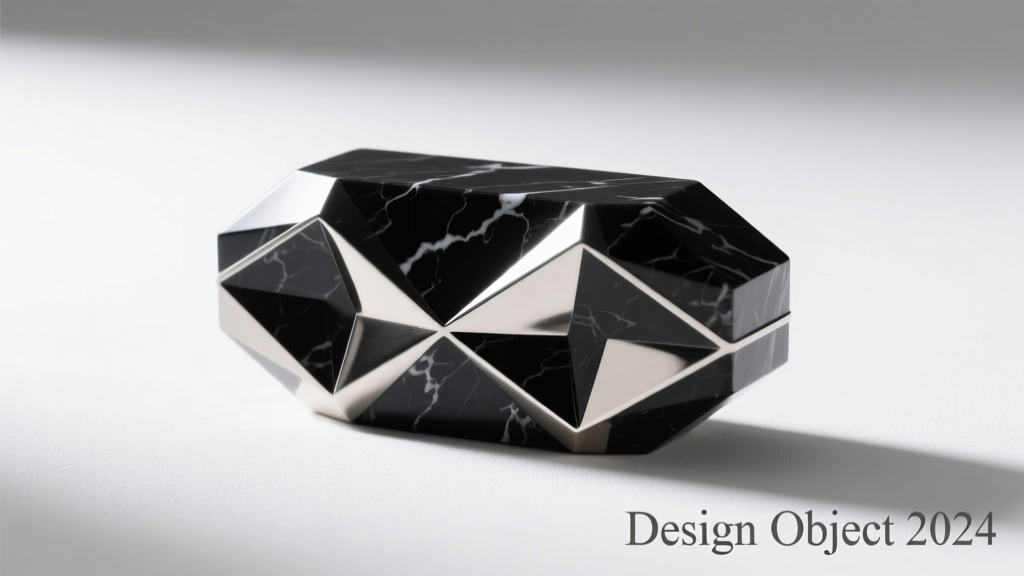
Types of C-Class Design
The term C-Class Design is used across various disciplines to denote a tier of design that balances functionality, complexity, and cost-effectiveness. While not the most critical or advanced level, C-class designs play a vital role in ensuring practicality, usability, and foundational learning or performance. Below is a detailed breakdown of how C-class design is applied in different fields, including structural engineering, interior design, and education.
Structural Design C Class
Refers to structural components that are important for overall integrity but are not primary load-bearing elements. These parts experience lower stress levels compared to Class A or B components and are designed with moderate safety margins.
Advantages
- Cost-effective design and materials
- Allows for some deflection without system failure
- Supports overall structural coherence
- Easier and faster to manufacture or install
Limitations
- Not suitable for high-stress environments
- Limited redundancy in case of overloading
- May require earlier replacement or maintenance
Best for: Secondary support structures, non-critical joints, auxiliary framing in buildings and vehicles
Interior Design C Class
Involves designing functional and organized interior spaces using accessible materials and cost-conscious methods. Emphasis is placed on logical flow, usability, and spatial harmony rather than luxury finishes.
Advantages
- Promotes efficient space utilization
- Encourages intuitive navigation and accessibility
- Budget-friendly material choices
- Ideal for multi-room residential layouts
Limitations
- May lack premium aesthetic appeal
- Materials may have shorter lifespan
- Limited customization for high-end clients
Best for: Family homes, educational facilities, small offices, and rental properties
C Class Design in Education
Educational activities categorized as C-class design focus on moderate complexity, helping students grasp core design principles through hands-on, engaging projects without overwhelming them.
Advantages
- Builds foundational design knowledge
- Encourages creativity in a low-pressure environment
- Teaches practical skills like material selection and construction
- Supports STEM/STEAM learning objectives
Limitations
- May oversimplify real-world engineering challenges
- Limited depth compared to advanced design projects
- Requires careful scaffolding to ensure learning retention
Best for: Middle school projects, introductory design courses, extracurricular STEM activities
| Design Type | Complexity | Functionality | Cost Efficiency | Primary Use Case |
|---|---|---|---|---|
| Structural Design C Class | Moderate | High (system support) | High | Non-critical structural components |
| Interior Design C Class | Low to Moderate | High (usability focus) | Very High | Residential and institutional spaces |
| Educational C Class Design | Moderate | Medium (learning-focused) | High | Foundational design education |
Expert Tip: In structural and interior applications, C-class designs should still adhere to safety codes and ergonomic standards—even if they're not the highest priority components. In education, pairing C-class projects with reflection or analysis can deepen student understanding and bridge the gap to more advanced design thinking.
Material & Durability of C Class Design
Material selection is a cornerstone of successful C-class design, directly influencing structural integrity, aesthetic appeal, longevity, and user experience. The right combination of materials ensures that the final product meets functional requirements while maintaining cost-efficiency and design elegance. Below is an in-depth analysis of the most commonly used materials in C-class design, their properties, applications, and durability considerations.
Wood: Natural Strength and Timeless Aesthetics
Wood continues to be a preferred material in C-class design due to its natural beauty, versatility, and ease of fabrication. It offers excellent workability, allowing for intricate detailing and seamless integration into both traditional and modern aesthetics.
When selecting wood for high-use applications such as furniture, cabinetry, or architectural fixtures, durability is paramount. Hardwoods like maple, oak, and cherry are particularly well-suited for C-class designs due to their high Janka hardness ratings, resistance to dents and scratches, and stable grain structure. These species also respond well to finishing processes—such as staining, sealing, or polishing—enhancing both visual appeal and protection against moisture and wear.
Properly treated and maintained, wooden components can last decades, making them a sustainable and long-term investment in quality design.
Metal Alloys: Structural Integrity and Corrosion Resistance
Metal components—particularly alloys such as stainless steel and aluminum—play a critical role in providing structural support, mechanical functionality, and modern visual contrast in C-class designs.
Stainless steel is prized for its exceptional strength, resistance to rust and corrosion, and low maintenance requirements. It is ideal for load-bearing joints, fasteners, hinges, and exposed hardware where reliability and longevity are essential. Its sleek, reflective finish also adds a professional, high-end appearance.
Aluminum, while lighter and slightly less rigid, offers excellent corrosion resistance and is easier to shape and install. It’s often used in frames, brackets, and internal supports where weight reduction is beneficial without sacrificing durability.
Both metals resist squeaking when properly fitted and lubricated, ensuring smooth operation in moving parts such as drawers, doors, or adjustable mechanisms.
Upholstery & Padding: Comfort Meets Longevity
In C-class designs where user comfort is a priority—such as seating, lounging areas, or interactive surfaces—material choice directly impacts usability and lifespan.
High-density foam is the standard for cushioning, offering superior resilience compared to lower-grade foams. It retains its shape over time, reducing sagging and maintaining ergonomic support even after prolonged use. When combined with supportive base structures, it enhances both comfort and durability.
Fabrics must be equally robust. Durable textiles, including performance-grade wovens, microfiber, and treated leather, are engineered to resist abrasion, fading, and spills. Many are treated with protective coatings that repel stains and moisture, simplifying cleaning and reducing maintenance costs.
Synthetic alternatives like polyurethane leather (PU) offer a cost-effective, cruelty-free option with similar aesthetics and improved resistance to cracking and peeling when properly maintained.
Composite Materials: Lightweight Performance
For specialized components requiring high strength-to-weight ratios, composite materials such as fiberglass and carbon fiber are increasingly integrated into C-class designs.
These materials are exceptionally strong, impact-resistant, and resistant to warping or degradation from moisture and temperature fluctuations. Carbon fiber, in particular, provides aerospace-level durability while remaining lightweight—ideal for dynamic or portable elements.
Due to their higher cost and specialized manufacturing requirements, composites are typically used selectively—such as in accent panels, structural reinforcements, or modernist design features—rather than as primary materials. Their use reflects a balance between innovation, performance, and budget.
Secondary & Sustainable Materials
With growing emphasis on environmental responsibility, many C-class designs now incorporate recycled or reclaimed materials as part of a sustainable design strategy.
Reclaimed wood, recycled metals, and post-consumer plastics can significantly reduce the environmental footprint of a project. While these materials may exhibit slight variations in strength or appearance compared to virgin resources, proper treatment and reinforcement can mitigate potential weaknesses.
Using sustainable materials not only supports eco-conscious values but can also add unique character—such as the patina of aged wood or the texture of recycled composites—enhancing the design’s authenticity and narrative depth.
Material Selection Guidelines
| Material | Durability Level | Best Use Cases | Maintenance Needs |
|---|---|---|---|
| Hardwood (Maple, Oak, Cherry) | High | Furniture, cabinetry, flooring | Regular cleaning; occasional refinishing |
| Stainless Steel | Very High | Hinges, brackets, support frames | Wipe clean; inspect for wear |
| Aluminum | High | Lightweight frames, internal supports | Low; avoid abrasive cleaners |
| High-Density Foam + Durable Fabric | Medium-High | Seating, upholstery | Vacuuming; spot cleaning |
| Fiberglass / Carbon Fiber | Very High | Accent pieces, structural elements | Minimal; inspect for delamination |
| Recycled/Reclaimed Materials | Variable | Eco-conscious interiors, decorative elements | Depends on base material |
Key Considerations for Material Longevity
Important: Always verify material specifications with suppliers and test samples under real-world conditions when possible. In C-class design, the interplay between aesthetics, function, and durability must be carefully balanced. Poor material choices—even in small components—can compromise the entire system’s performance and user satisfaction. Prioritize quality, compatibility, and sustainability for optimal results.
Understanding C Class Interior Design: Principles & Applications
Designing furniture and interior spaces under the C Class framework requires a balanced approach that prioritizes practicality, affordability, and livability. Unlike high-end luxury interiors, C Class design focuses on creating functional, comfortable, and visually pleasing environments without excessive expenditure. This makes it ideal for everyday homes where usability and value are paramount. Below is a comprehensive exploration of the core principles and real-world applications of C Class interior design.
Purpose: Comfort, Function, and Aesthetic Balance
The primary goal of C Class interior design is to create living spaces that are comfortable, functional, and aesthetically coherent. While premium materials may be limited, design choices must still reflect intentional style and long-term usability.
- Furniture should be proportionate to room size, ensuring ease of movement and visual harmony
- Designs must accommodate daily routines—such as family gatherings, relaxation, and work-from-home needs
- Lower-cost materials (e.g., engineered wood, laminate finishes) are acceptable if they maintain durability and visual appeal
- Replacement and repairability should be considered during selection to reduce long-term costs
Key insight: A well-executed C Class design doesn’t look "cheap"—it looks thoughtfully curated and lived-in.
Functionality: Prioritizing Use Over Ornamentation
In C Class design, functionality takes precedence over purely decorative elements. Every piece of furniture must serve a clear purpose and contribute to the efficiency of the space.
- Sofas should offer ergonomic support and durable upholstery suitable for daily use
- Beds must promote restful sleep with adequate support and comfort, even with budget-friendly mattresses
- Storage solutions (wardrobes, cabinets, shelves) should maximize space and organization
- Multipurpose furniture—like ottomans with storage or sofa beds—enhances utility in compact homes
Design tip: Avoid overly stylized pieces that compromise comfort or usability for the sake of trendiness.
Flexibility: Adaptable Spaces for Changing Needs
C Class interiors often serve dynamic households, so flexibility in furniture layout and usage is essential. Modular and reconfigurable designs allow spaces to evolve with lifestyle changes.
- Modular sofas can be rearranged for guests, movie nights, or open-floor play areas
- Movable shelving units or room dividers help redefine space without permanent alterations
- Expandable dining tables accommodate both daily meals and larger gatherings
- Ideal for growing families, shared apartments, or multi-generational homes
Practical benefit: Flexible layouts extend the lifespan of the interior design, reducing the need for frequent renovations.
Color and Lighting: Calm, Functional, and Inviting
The color palette and lighting in C Class design emphasize comfort and usability over dramatic visual statements.
- Neutral tones (beige, gray, soft white, warm taupe) dominate walls and large furniture, creating a calming backdrop
- Accent colors (via cushions, rugs, or artwork) add personality without overwhelming the space
- Lighting is task-oriented—reading lamps, under-cabinet lights, and desk lamps enhance functionality
- Avoid excessive ambient lighting; instead, use layered lighting to define zones (e.g., reading nook, dining area)
Pro tip: Well-placed lighting can elevate the perceived quality of materials and finishes.
Accents and Accessories: Small Touches, Big Impact
Accessories are powerful tools in C Class design, offering an affordable way to personalize and warm up a space.
- Textiles like throw pillows, area rugs, and curtains add softness, texture, and color
- Wall art, mirrors, and indoor plants enhance visual interest and improve mood
- Decorative baskets or stylish storage bins keep clutter hidden while maintaining style
- These elements can be easily updated with seasons or changing tastes, keeping the space fresh
Cost-effective strategy: Invest in accessories rather than expensive furniture to achieve a high-end look on a budget.
Real-Life Scenarios: Where C Class Design Excels
C Class interior design is not a compromise—it’s a smart, realistic approach tailored to common living situations.
- Family homes: Supports active lifestyles with durable, easy-to-clean materials and child-friendly layouts
- Apartment living: Maximizes small spaces through multifunctional furniture and smart storage
- Rental properties: Provides attractive, low-maintenance interiors without violating lease agreements
- First-time homeowners: Offers a practical foundation that can be upgraded gradually
- Senior living: Emphasizes safety, accessibility, and comfort with non-slip flooring and ergonomic furniture
Design philosophy: Prioritize livability over luxury—create spaces where people feel at home, not intimidated by perfection.
Professional Recommendation: When advising clients on C Class design, emphasize long-term value over initial cost. Recommend durable, versatile pieces from reputable brands—even at a slightly higher price—because they reduce replacement frequency and maintain aesthetic consistency. Pair these with affordable accessories to personalize the space. This approach delivers both economic and emotional satisfaction.
| Scenario | Design Priority | Recommended Furniture Features | Budget-Friendly Tips |
|---|---|---|---|
| Urban apartment (1-2 bedrooms) | Space efficiency | Convertible sofa beds, wall-mounted desks, nesting tables | Use mirrors to create illusion of space; choose light-colored furniture |
| Suburban family home | Durability & comfort | Stain-resistant upholstery, rounded-edge furniture, ample storage | Buy during seasonal sales; opt for modular systems that grow with the family |
| Rental property | Minimal modification, high appeal | Freestanding units, peel-and-stick flooring, portable lighting | Use removable wallpaper and area rugs to refresh without permanent changes |
| Home office setup | Ergonomics & focus | Adjustable chairs, task lighting, cable management solutions | Repurpose existing furniture with add-ons like monitor stands or desk organizers |
Additional Considerations for C Class Design Success
- Material Selection: Choose laminates, MDF, or veneers with realistic wood grain finishes to mimic higher-end materials
- Acoustic Comfort: Incorporate soft furnishings to reduce echo in open-plan or hard-surfaced rooms
- Sustainability: Opt for eco-friendly composites and low-VOC finishes where possible, even in budget designs
- Maintenance: Select easy-to-clean surfaces—especially in kitchens and children’s areas—to ensure longevity
- Brand Value: Trusted mid-tier brands often offer better warranties and customer support than unknown budget labels
How to Choose C-Class Design: A Practical Guide for Smart, Budget-Friendly Selections
Selecting C-class design products is a strategic approach to furnishing and equipping spaces with items that balance functionality, affordability, and acceptable quality. Unlike premium (A-class) or mid-tier (B-class) options, C-class designs are ideal for moderate usage, temporary setups, or budget-conscious environments such as starter homes, rental properties, or office support areas. This guide explores the essential criteria for choosing C-class items wisely—ensuring they meet practical needs without compromising on basic durability or visual harmony.
Important Note: C-class does not mean "low quality" or "disposable." It refers to cost-effective solutions that serve a functional purpose efficiently. The goal is smart spending—maximizing value while avoiding unnecessary luxury.
Key Principles for Selecting C-Class Design Products
- Functionality Above All
The primary purpose of any C-class product must be fulfilled reliably. These items are not meant to impress but to work. Prioritize performance over appearance. For example:
- A C-class chair should provide adequate back support and comfort for daily sitting, even if it lacks ergonomic adjustments.
- A dining table must be stable, sufficiently large for meals or work, and easy to clean.
- Storage units should offer organized access and be able to hold typical household or office loads without warping.
Always test or research usability—does it do what it's supposed to, consistently?
- Cost Considerations and Value Optimization
C-class items are budget-friendly by design, but low price should not come at the expense of reliability. Look for products that offer the best value within their price range. Key strategies include:
- Comparing price per use—how often will you use it, and how long should it last?
- Assessing whether the lower cost is due to simplified design (acceptable) or substandard materials (risky).
- Seeking out bulk discounts, seasonal sales, or store brands that maintain acceptable quality.
Remember: The cheapest option today may cost more tomorrow if it needs frequent replacement.
- Quality of Materials – Good Enough for Moderate Use
While C-class products typically use standard-grade or engineered materials (like particleboard instead of solid wood, or polyester blends instead of natural fibers), they should still be durable enough for everyday wear. Evaluate materials by asking:
- Is the material resistant to scratches, stains, or fading under normal conditions?
- Are joints and seams reinforced to prevent early breakdown?
- Does the finish protect against moisture or UV exposure where applicable?
For instance, a laminate desk surface is acceptable in C-class design as long as it resists water rings and daily abrasion.
- Simple Aesthetic Appeal – Looking Presentable on a Budget
C-class items don’t need to be design showpieces, but they shouldn’t detract from the overall environment. Aim for clean lines, neutral colors, and cohesive style. A well-chosen C-class item can blend seamlessly into a room. Examples:
- A plain but neatly tailored curtain in a soft gray can add privacy and warmth without drawing attention.
- A simple geometric rug in muted tones can define a space and reduce echo in a room.
- Matte-finish furniture avoids looking cheap and integrates better with higher-end accents.
Pro tip: Use accessories (like cushions or artwork) to elevate the look of C-class furniture without upgrading the piece itself.
- Versatility – One Item, Multiple Uses
One of the greatest strengths of C-class design is adaptability. Choose multipurpose items to maximize utility and minimize clutter. Look for:
- Folding tables that serve as desks, dining surfaces, or craft stations.
- Storage ottomans that double as seating and hidden storage.
- Beds with built-in drawers or shelves to save floor space.
Versatile items reduce the need for additional purchases, making them ideal for small apartments, dorm rooms, or evolving households.
- Ease of Upgrade – Planning for the Future
C-class selections are often stepping stones. Choose items that can be easily replaced, enhanced, or integrated into a more refined setup later. This future-proofing includes:
- Selecting modular furniture that can be expanded or reconfigured.
- Using neutral-colored basics that will match future upgrades.
- Installing simple window treatments (like basic blinds) that can be layered with curtains later.
This approach supports gradual improvement without wasteful disposal of functional items.
| C-Class Selection Criteria | What to Look For | Red Flags | Budget-Smart Tips |
|---|---|---|---|
| Functionality | Performs core task reliably | Wobbly structure, broken mechanisms | Test stability in-store or read user reviews |
| Cost vs. Value | Low price with decent lifespan | Extremely cheap with poor reviews | Buy during clearance events or from warehouse clubs |
| Material Quality | Durable for moderate use | Thin veneer, flimsy plastic | Look for laminate, powder-coated metal, or dense composites |
| Aesthetic Fit | Neutral, clean design | Glossy finishes, loud patterns | Stick to earth tones or grayscale palettes |
| Versatility | Serves multiple purposes | Single-use, awkward shape | Prioritize foldable or stackable items |
| Upgrade Path | Easy to replace or enhance | Custom sizes, proprietary parts | Choose standard dimensions and common styles |
Expert Tip: Combine C-class items with a few well-chosen higher-quality accent pieces (like a nice lamp or artwork) to elevate the overall look of a space. This creates a balanced, intentional aesthetic without overspending.
Final Recommendations for Smart C-Class Design Choices
- Always assess the intended usage frequency—C-class is best for moderate, not heavy, daily use.
- Read customer reviews focusing on long-term durability, not just initial impressions.
- Consider return policies and warranties, even for budget items.
- Group purchases (e.g., matching C-class furniture sets) can enhance visual cohesion.
- Use C-class design strategically in low-visibility or temporary areas (guest rooms, basements, home offices).
Choosing C-class design products wisely is not about cutting corners—it's about making intelligent, sustainable decisions that align with your current needs and future goals. By focusing on functionality, value, and flexibility, you can create functional, pleasant spaces without overspending. When in doubt, prioritize durability over style and simplicity over complexity.
Frequently Asked Questions About C-Class Design
Q1: What is C-class design in layman's terms?A1: In simple terms, C-class design refers to the thoughtful creation of everyday products intended for regular, practical use. It strikes a balance between affordability and functionality—avoiding both the extravagance of premium (luxury) design and the bare-minimum approach of budget models.
Think of items like a standard office chair, a basic kitchen appliance, or a mid-range smartphone. These are designed to be comfortable, reliable, and user-friendly without including high-end materials or advanced features that significantly increase cost. The goal is to meet most users’ needs effectively, offering a “just right” experience for daily life.
This design philosophy emphasizes usability, durability, and accessibility, making it ideal for mass-market products where value and consistency are key priorities.
Q2: Why are C-class designs important?A2: C-class designs play a vital role in modern society by bridging the gap between cost and quality. They make essential products accessible to a broader population without compromising on basic comfort, safety, or performance.
Here’s why they matter:
- Affordability: Designed with cost-efficiency in mind, these products allow consumers to enjoy functional, well-made items without a premium price tag.
- Scalability: Because they’re built for mass production, C-class designs support large-scale manufacturing, helping meet global demand for essentials like furniture, electronics, and transportation.
- User-Centered Approach: Despite their simplicity, these designs often incorporate ergonomic principles and intuitive interfaces to enhance everyday usability.
- Foundation for Innovation: Many advanced features in high-end products first become viable and widely adopted through their implementation in C-class versions, where feedback and usage data help refine them.
In short, C-class design ensures that practical, well-thought-out products are available to everyone—not just those who can afford luxury options.
Q3: Can C-class designs be environmentally sustainable?A3: Absolutely—C-class designs have significant potential to be environmentally sustainable, especially when guided by eco-conscious principles during development.
Here are several ways C-class products can support sustainability:
- Eco-Friendly Materials: Using recycled plastics, reclaimed wood, recycled metals, or rapidly renewable natural fibers (like bamboo or cork) reduces resource depletion and waste.
- Longevity & Repairability: Designing for durability and easy repairs extends product life, reducing the frequency of replacements and minimizing landfill contributions.
- Energy Efficiency: In appliances or electronics, even modest improvements in energy use can have a large cumulative impact due to high production volumes.
- Minimalist Packaging: Simple, recyclable packaging aligns with the C-class ethos of efficiency while reducing plastic and cardboard waste.
- End-of-Life Planning: Incorporating modular components or standardized parts makes recycling easier and supports circular economy models.
When manufacturers prioritize sustainability in C-class design, the environmental benefits are amplified across millions of units, making this category a powerful force for positive change in consumer culture.









