
Car seat covers are more than just an aesthetic upgrade—they’re a frontline defense against spills, stains, UV damage, and daily wear. But when it comes to choosing between breathable and waterproof models, many drivers face a dilemma. Does breathability mean less protection? Do waterproof covers trap moisture and accelerate wear? The truth lies in understanding how each type performs under real-world conditions and what kind of protection truly matters for long-term vehicle care.
The answer isn’t as simple as “one is better.” It depends on climate, usage, material quality, and even personal health factors like allergies or sensitivity to heat. To make an informed decision, let’s break down the science, performance, and practical benefits of both types.
How Breathable Seat Covers Work
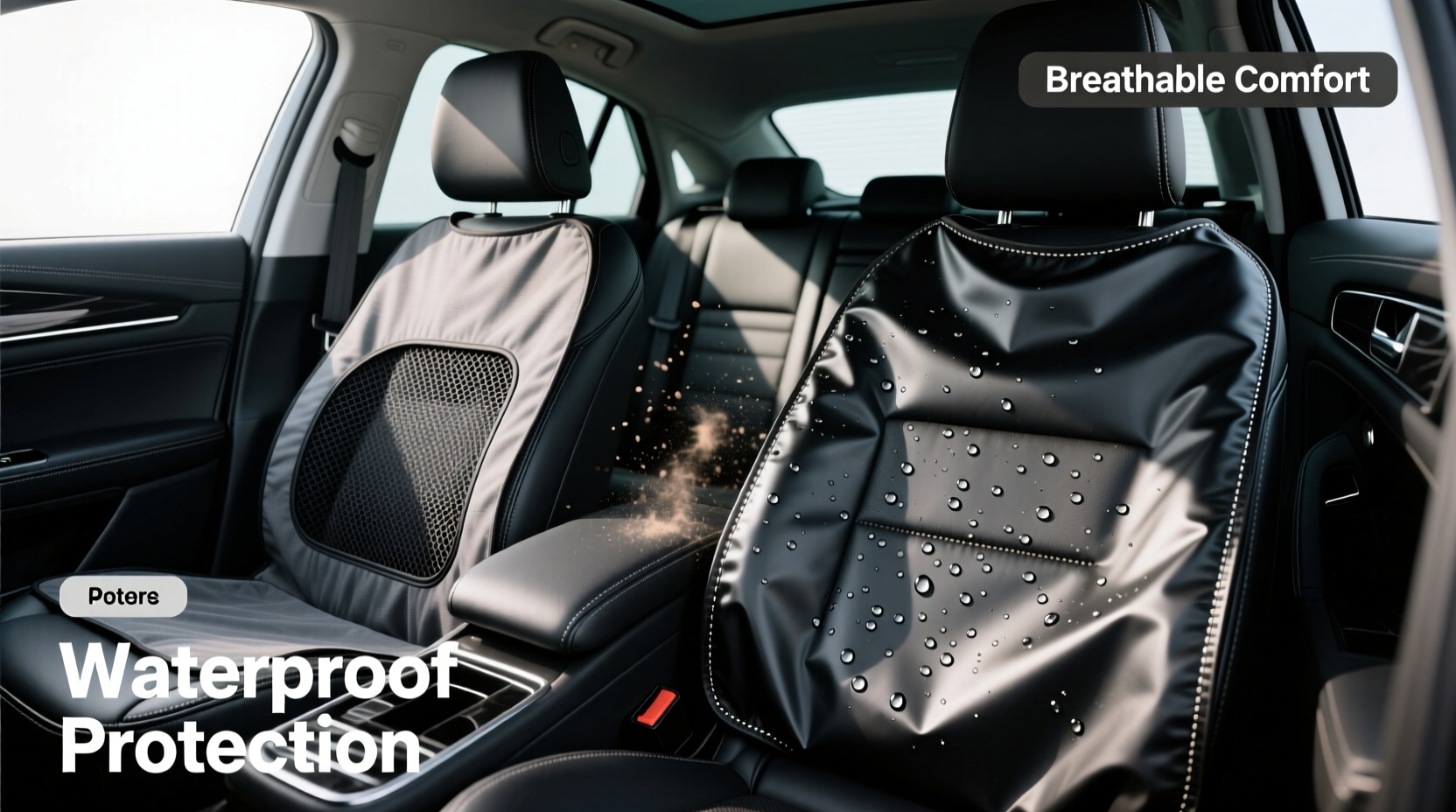
Breathable seat covers are typically made from fabrics like mesh, cotton-polyester blends, or perforated synthetic materials designed to allow air circulation. Their primary function is comfort—especially in warm climates or during long drives—by reducing heat buildup and minimizing sweat accumulation.
These covers often use multi-layer weaves or micro-perforations that let moisture vapor escape while still offering some resistance to light spills and dust. However, they are not fully liquid-proof. A spilled soda or coffee will likely soak through unless wiped immediately.
Despite their limitations in spill protection, breathable covers excel at preserving the original upholstery. They reduce condensation between the cover and the seat, which helps prevent mold, mildew, and leather cracking over time.
Tip: In hot climates, breathable covers can reduce surface temperatures by up to 20°F compared to non-breathable alternatives.The Science Behind Waterproof Seat Covers
Waterproof seat covers use laminated backing—often polyurethane (PU) or thermoplastic polyurethane (TPU)—to create a complete moisture barrier. These materials repel liquids entirely, making them ideal for families with young children, pet owners, or anyone dealing with frequent spills.
High-quality waterproof covers now incorporate advanced coatings that maintain flexibility and reduce noise, addressing earlier complaints about stiffness and crinkling sounds. Some even feature nano-coating technology that beads water without compromising fabric texture.
However, this superior liquid resistance comes at a cost: trapped heat and humidity. Without proper ventilation, moisture from sweat can get stuck between the cover and the seat, leading to unpleasant odors, bacterial growth, or deterioration of leather and foam padding beneath.
“Waterproof doesn’t always mean durable. If moisture is trapped underneath due to poor airflow, you could be accelerating seat degradation instead of preventing it.” — Dr. Alan Zhou, Automotive Materials Researcher, Michigan Tech
Direct Comparison: Breathable vs Waterproof
| Feature | Breathable Covers | Waterproof Covers |
|---|---|---|
| Liquid Resistance | Moderate – resists light spills temporarily | High – fully blocks water, oil, and most liquids |
| Airflow & Comfort | Excellent – keeps seats cool and dry | Poor to moderate – may trap heat and sweat |
| Durability (Long-Term) | Good – reduces moisture-related damage | Variable – depends on ventilation and usage |
| Cleaning & Maintenance | Machine washable; dries quickly | Wipe-clean only; slower drying if damp underneath |
| Best For | Hot climates, allergy sufferers, daily commuters | Families, pet owners, heavy spill environments |
Real-World Case: Sarah’s Minivan Dilemma
Sarah, a mother of three in Phoenix, Arizona, installed waterproof seat covers after her youngest spilled juice across the backseat. Initially satisfied with the spill protection, she noticed a persistent musty smell after six months. Upon removal, she found mold developing along the seams of the original fabric seats—caused by trapped sweat and AC condensation.
She switched to a hybrid model: semi-water-resistant outer fabric with a breathable inner lining. While not 100% waterproof, it offered enough spill resistance for snacks and drinks while allowing airflow. Within weeks, the odor disappeared, and seat temperature dropped noticeably during summer drives.
This case illustrates a key point: total waterproofing without breathability can do more harm than good in certain conditions.
Choosing What Actually Protects Your Car Better
When evaluating true \"protection,\" consider more than just immediate spill resistance. Long-term preservation includes:
- Preventing UV fading and cracking of original upholstery
- Minimizing moisture buildup that leads to mold or rust
- Reducing heat stress on adhesives and foam layers
- Maintaining structural integrity of seat stitching and padding
In humid or hot regions, breathable covers often provide better overall protection because they support a healthier microclimate inside the cabin. In contrast, in rainy climates or for high-spill scenarios, waterproof covers—with proper maintenance—are more effective at preventing sudden damage.
Step-by-Step Guide to Maximizing Protection
- Assess your driving environment: Hot and dry? Humid? Frequent rain?
- Evaluate your usage: Kids, pets, food/drinks in car?
- Check material quality: Look for TPU coatings (more flexible and eco-friendly than PVC).
- Ensure fit: Custom-fit covers prevent shifting and creasing that cause wear.
- Inspect underside breathability: Even waterproof models should have mesh panels or vents.
- Establish cleaning routine: Wipe down weekly; remove and air out monthly.
Hybrid Solutions: The Best of Both Worlds?
Emerging hybrid seat covers combine water-resistant top layers with breathable backing. These models use tightly woven polyester or nylon exteriors treated with DWR (durable water repellent) coatings, paired with mesh or perforated undersides.
They don’t offer full immersion-level waterproofing but handle most real-life spills effectively while maintaining airflow. Brands like CoverKing and WeatherTech now offer such options, marketed as “water-resistant” rather than fully waterproof—a more accurate reflection of their capabilities.
For most drivers, this balanced approach provides optimal protection: resisting everyday messes without sacrificing long-term seat health.
FAQ
Can waterproof seat covers damage leather seats?
Yes, if used improperly. Trapped moisture from body heat and sweat can lead to leather drying, cracking, or mold growth underneath. Always remove and air out waterproof covers periodically, especially in warm weather.
Are breathable seat covers worth it in rainy areas?
If you park indoors or drive short distances, breathable covers with quick-dry fabrics can suffice. But if your car sits outside during storms or you frequently carry wet gear, consider water-resistant hybrids instead.
Do seat covers void my car warranty?
No, installing seat covers does not void manufacturer warranties. However, damage caused by poor-quality covers (e.g., trapped moisture leading to rust or mold) may not be covered under interior protection plans.
Final Checklist Before You Buy
- ✅ Measure your seats accurately for a snug fit
- ✅ Choose materials suited to your climate and lifestyle
- ✅ Prioritize covers with anti-slip backing and secure straps
- ✅ Avoid PVC-based waterproofing—it degrades faster and emits fumes
- ✅ Opt for machine-washable or easy-wipe designs for maintenance
- ✅ Read reviews focusing on long-term durability, not just initial feel
Conclusion
When it comes to protecting your car, the choice between breathable and waterproof seat covers hinges on balance. Total waterproofing offers unmatched spill defense but risks trapping moisture that harms both comfort and longevity. Breathable options enhance daily usability and help preserve original upholstery but require vigilance after spills.
The most effective protection isn’t about maximum barrier strength—it’s about sustainable, intelligent design that supports both the driver and the vehicle. By selecting the right type for your needs, maintaining it properly, and understanding its limits, you’ll extend your car’s life, comfort, and resale value.
🚀 Ready to protect your car smarter? Reevaluate your current seat covers today—your future self (and your trade-in value) will thank you.








