
As summer temperatures rise, many homes become unbearable—especially in regions where air conditioning is either unavailable or too costly to run continuously. Yet comfort doesn’t have to depend on expensive cooling systems. With smart, low-cost strategies rooted in physics and airflow dynamics, you can significantly reduce indoor heat using everyday household items and thoughtful design tweaks. These methods are not only budget-friendly but also energy-efficient, making them ideal for renters, homeowners, and eco-conscious individuals alike.
1. Optimize Airflow with Strategic Fan Placement
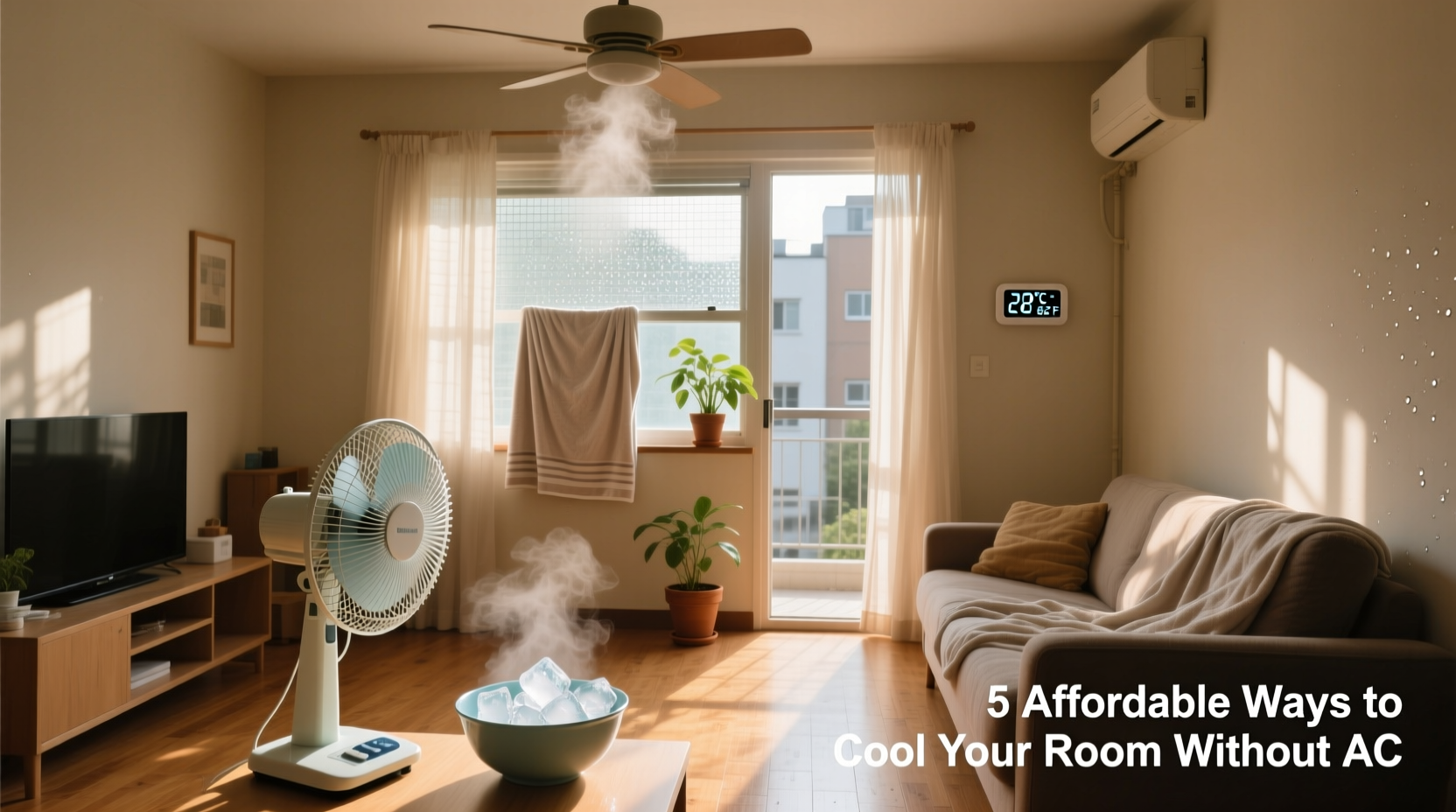
Fans are among the most accessible tools for cooling, but their effectiveness depends heavily on how they’re used. A fan alone doesn’t lower the temperature—it moves air across your skin, enhancing evaporation and creating a wind-chill effect. To maximize this, position fans to create cross-ventilation.
Place one fan near an open window on the cooler side of your home (usually shaded or north-facing) to draw in fresh air. On the opposite side, set up another fan facing outward to expel hot air. This creates a continuous airflow loop that flushes out stagnant warmth.
Tip: Use box fans instead of pedestal fans when possible—they move more air and seal better against windows.For single rooms, try the “fan + ice” trick: place a bowl of ice or a frozen water bottle directly in front of a fan. As the air passes over the cold surface, it picks up a slight chill, producing a makeshift breeze machine. While not a substitute for AC, this method can make a noticeable difference during evening hours.
2. Block Heat Before It Enters: Window Management
Sunlight streaming through windows is one of the primary causes of indoor heat buildup. Up to 76% of solar radiation entering through standard glass can turn into heat, according to the U.S. Department of Energy. Preventing this early is far more effective than trying to cool the room afterward.
Closing blinds, curtains, or shutters during daylight hours—especially between 10 a.m. and 4 p.m.—can reduce indoor temperatures by as much as 20°F. For maximum impact, use reflective or blackout window coverings. White or light-colored curtains reflect sunlight, while dark ones absorb it, so choose materials wisely.
If you rent and can't install permanent fixtures, consider temporary solutions like DIY window films made from aluminum foil and cling film, or removable insulating shades available online.
“Solar heat gain through windows is the biggest contributor to overheating in urban apartments. Blocking it early is the cheapest and most effective cooling strategy.” — Dr. Lena Torres, Building Science Researcher, National Institute of Sustainable Design
Do’s and Don’ts of Window Cooling
| Do | Don't |
|---|---|
| Close blinds/curtains before sunrise | Leave windows uncovered during peak sun |
| Use white or reflective blinds | Use dark, heat-absorbing drapes |
| Open windows at night for ventilation | Keep all windows closed if outdoor air is cooler |
| Install exterior shades or awnings if possible | Rely solely on interior blinds for full sun exposure |
3. Create Natural Ventilation Through Thermal Chimney Effect
The thermal chimney effect uses natural convection to cool a space: hot air rises and escapes through upper openings, pulling cooler air in from below. You can harness this principle even in small apartments.
If your home has multiple floors or high ceilings, open upstairs windows at night while keeping lower-level windows open. The rising hot air will exit through the top, drawing in cooler outside air from below. Even in single-story homes, opening a high window or vent (like a transom or attic fan) can enhance airflow.
In bedrooms, elevate your bed slightly or use a platform to allow air circulation underneath. Heat accumulates near the floor if airflow is blocked, making sleeping areas feel stuffier.
Step-by-Step Nighttime Cooling Routine
- Turn off all lights and heat-generating appliances by 8 p.m.
- Close curtains and windows on sun-exposed sides by late afternoon.
- At dusk, open two or more windows on opposite sides of the house.
- Place one fan facing outward at the warmer end of the home.
- Position another fan inward at the cooler end or near ground level.
- Run fans for 1–2 hours to flush out accumulated heat.
- Turn off fans once the room feels cool, or use a timer to avoid wasting energy.
4. Reduce Indoor Heat Sources
Many daily activities add invisible heat to a room. Cooking, showering, running electronics, and even lighting contribute to thermal load. Minimizing these sources can keep a room noticeably cooler.
- Avoid oven use: Cook outdoors, use a microwave, slow cooker, or air fryer instead.
- Switch to LED bulbs: Incandescent bulbs waste 90% of energy as heat.
- Unplug devices: Chargers, TVs, and computers emit heat even in standby mode.
- Limit laundry drying indoors: Hang clothes outside or use a vented dryer to avoid adding moisture and warmth.
One overlooked source is the refrigerator. When placed in a poorly ventilated area or left open frequently, it works harder and radiates more heat. Ensure proper clearance around the unit and minimize door opening time.
Mini Case Study: Cooling a Third-Floor Apartment in Brooklyn
Maria, a tenant in a walk-up apartment in Brooklyn, struggled with temperatures exceeding 85°F during July nights. Her bedroom faced west, receiving intense afternoon sun. Without central AC, she relied on a single window unit she could only afford to run part-time.
She implemented several low-cost changes: she hung a white sheet over her window during the day, installed a $15 box fan in the hallway to pull air from the stairwell, and began cooking meals using a portable induction burner on her fire escape (safely and legally). She also started taking cool showers before bed and sleeping under a damp cotton cloth.
Within three days, her bedroom temperature dropped by nearly 10°F during sleep hours, and she reported deeper, uninterrupted rest. Her electricity bill remained stable, and she avoided the need to upgrade cooling equipment.
5. Use Evaporative Cooling Techniques
Evaporative cooling leverages the natural process of water evaporation to reduce air temperature. This method works best in dry climates but can offer relief even in moderate humidity when applied directly to the body or localized spaces.
One popular technique is the “drip towel” method: soak a cotton towel in cold water, wring it out, and drape it over a rotating fan. As air passes through the damp fabric, it cools slightly. While this increases humidity, the breeze enhances skin-level evaporation, creating a net cooling sensation.
Another approach is to place shallow trays of water near open windows or in front of fans. As breezes pass over the water, evaporation occurs, subtly lowering the air temperature. Adding ice to the water enhances the effect temporarily.
For larger impact, some people use DIY swamp coolers made from plastic storage bins, PVC pipes, and aquarium pumps. Though more involved, these can be built for under $30 and provide meaningful cooling in arid environments.
Checklist: Affordable Room Cooling Hacks to Try Tonight
- ✅ Close blinds and curtains before sunrise
- ✅ Position fans for cross-ventilation (inlet and outlet)
- ✅ Place a bowl of ice in front of a fan
- ✅ Switch to LED lighting
- ✅ Avoid cooking indoors during peak heat
- ✅ Open windows at night when outside air is cooler
- ✅ Use damp cloths on pulse points before sleeping
- ✅ Unplug unused electronics to reduce ambient heat
- ✅ Hang wet laundry outside, not inside
- ✅ Sleep lower to the ground if possible
FAQ
Can I cool a room without electricity?
Yes. Passive cooling methods like closing curtains during the day, opening windows at night, using thermal mass (such as cool tile floors), and strategic building orientation can significantly reduce indoor heat without any electrical devices.
Do ceiling fans actually cool the air?
No, ceiling fans don’t lower the room temperature—they circulate air to create a wind-chill effect on your skin. However, they make a space feel up to 8°F cooler. Always turn them off when no one is in the room to save energy.
Is it safe to sleep with a fan blowing directly on me?
Generally, yes—but prolonged direct airflow may cause dry skin, sore throat, or muscle stiffness in sensitive individuals. Aim the fan upward or toward a wall to create indirect circulation.
Conclusion
Cooling a room without air conditioning isn’t about sacrificing comfort—it’s about working smarter with physics, airflow, and simple behavioral adjustments. From optimizing fan placement to blocking solar gain and reducing internal heat sources, each small action compounds into real relief. These affordable hacks are accessible to nearly everyone, require minimal investment, and often lead to more sustainable living habits beyond the summer months.
💬 Have a clever cooling hack that saved your summer? Share it in the comments and help others stay cool without breaking the bank!








