Dogs from strong pulling breeds—such as Huskies, Malamutes, German Shepherds, Rottweilers, and Boxers—are naturally inclined to pull during walks. While this behavior is instinctual, traditional collars can place dangerous pressure on a dog’s trachea, neck vertebrae, and thyroid gland. Over time, repeated strain can lead to chronic injuries, respiratory issues, or even neurological complications. A well-designed harness redistributes force across the chest and shoulders, minimizing stress on sensitive areas while offering better control. Choosing the right harness isn’t just about comfort—it’s a critical component of responsible pet ownership.
Why Neck Strain Is a Serious Concern for Pulling Breeds
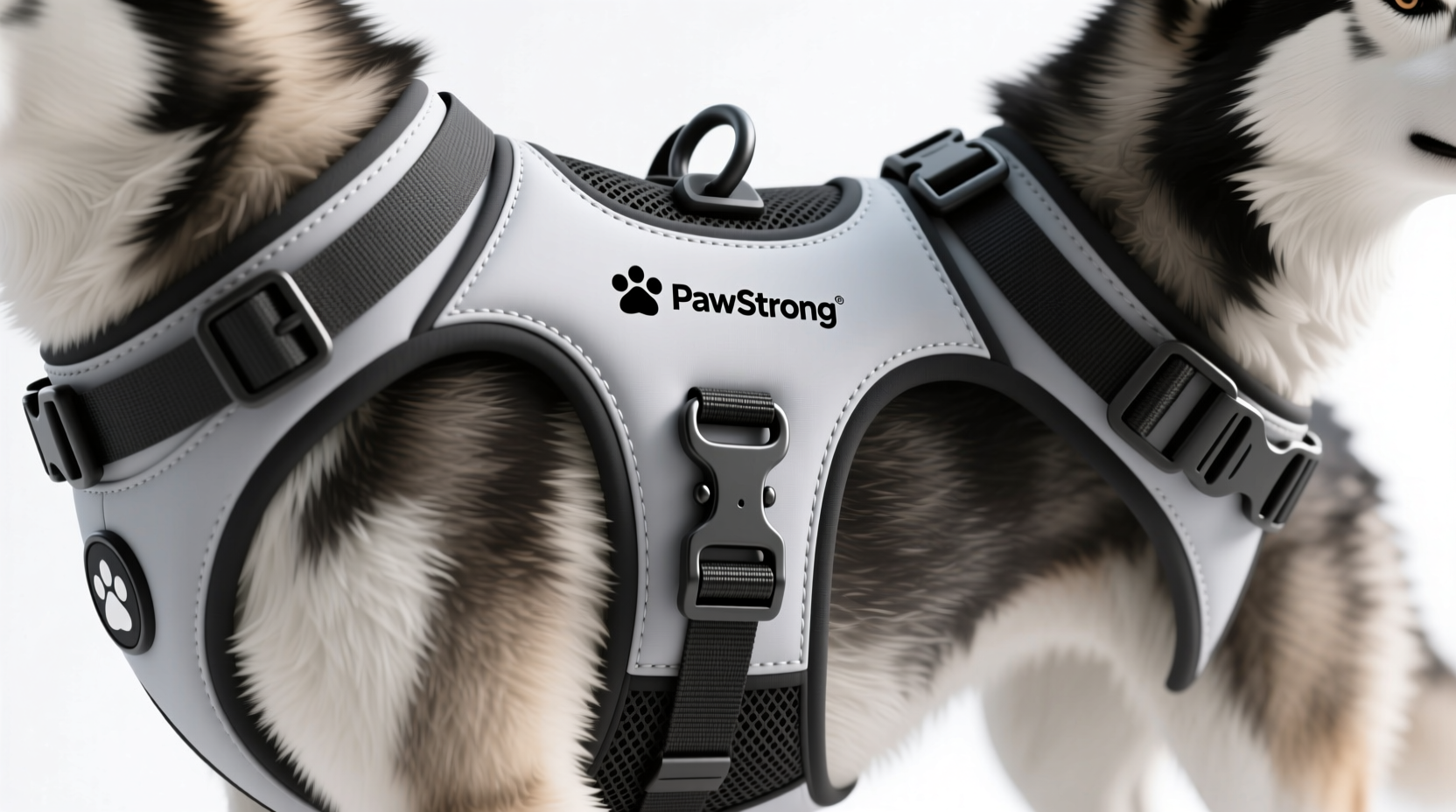
When a dog pulls against a collar, forces concentrate directly on the neck. Research published in the Journal of Veterinary Behavior indicates that sudden tugs can generate enough pressure to damage the trachea or impair blood flow to the eyes and brain. For deep-chested or large-breed dogs predisposed to conditions like laryngeal paralysis or cervical spine issues, this risk is magnified.
Harnesses mitigate these dangers by shifting leverage points. Instead of compressing the throat, force is absorbed by the sturdier musculature of the chest and shoulders. This not only protects delicate tissues but also encourages more cooperative walking behavior. Dogs are less likely to fight against resistance when it doesn’t trigger pain or discomfort in vulnerable areas.
“Distributing pulling forces away from the neck is one of the most effective ways to prevent long-term injury in working and high-drive breeds.” — Dr. Laura Bennett, DVM, Canine Sports Medicine SpecialistTip: Never use a standard collar for leash attachment if your dog pulls regularly. Switch to a front-clip or dual-clip harness designed for load distribution.
Key Features of an Effective Harness for Pulling Breeds
Not all harnesses are created equal. Many marketed as “no-pull” lack structural integrity or proper fit for powerful dogs. To ensure safety and functionality, prioritize the following features:
- Wide, Padded Straps: Broad chest and shoulder panels disperse pressure evenly and prevent chafing during extended walks.
- Front and Back Clip Options: Front clips redirect pulling motion by turning the dog slightly inward; rear clips allow straight-line pulling useful for sled work or service tasks.
- Adjustability: Multiple adjustment points (neck, chest, girth) ensure a snug, escape-proof fit without restricting movement.
- Durable Materials: Look for ripstop nylon, reinforced stitching, and hardware rated for heavy loads (e.g., aircraft-grade aluminum or steel rings).
- Escape-Resistant Design: Features like double buckles, X-back or H-back configurations, and secure leg loops help prevent determined dogs from backing out.
The Science Behind Force Distribution
A study conducted at the University of Pennsylvania School of Veterinary Medicine used pressure sensors to compare force concentration between collar-led walks and harness-led walks. Results showed that front-clip harnesses reduced peak neck pressure by up to 85% compared to standard collars. Even back-clip harnesses demonstrated significantly lower strain when properly fitted over broad contact zones.
This data underscores a crucial point: it's not just about using any harness, but selecting one engineered for biomechanical efficiency.
Top 5 Harnesses for Strong Pulling Breeds
| Product | Type | Best For | Key Benefit | Durability Rating |
|---|---|---|---|---|
| ESP Dog Harness (by Ruffwear) | Dual-clip (front & back) | All-day hikes, training, urban walks | Padded chest plate, reflective trim, modular gear loops | ★★★★★ |
| Freedom No-Pull Harness (by PetSafe) | Front-clip with martingale-style tightening | Dogs needing behavioral correction | Gentle steering action reduces pulling over time | ★★★★☆ |
| Walkin’ Wheels Dual Clip Harness | H-back with dual attachment points | Larger breeds (70+ lbs), senior dogs with joint issues | Supports weight distribution without restricting stride | ★★★★★ |
| Alpine Harness (by Kurgo) | Over-the-head + step-in design | Cold climates, outdoor adventures | Water-resistant padding, ice-shedding webbing | ★★★★☆ |
| Storm Dual Chest Harness (by OneTigris) | X-back with heavy-duty clips | Bully breeds, escape artists | Reinforced stitching withstands 500+ lb pull tests | ★★★★★ |
Each of these models has been field-tested with high-drive breeds and consistently receives praise for comfort, durability, and effectiveness in reducing neck strain. The ESP Harness, in particular, is widely recommended by canine physical therapists for its balanced weight dispersion and ergonomic cut.
Real-World Example: Transforming a Reactive Husky’s Walks
Mark, a dog owner in Colorado, adopted a 2-year-old Siberian Husky named Luna known for lunging at squirrels and pulling so hard he’d been yanked off his feet twice. Initially using a basic collar, Mark noticed Luna coughing after walks and becoming increasingly anxious. After consulting a certified dog trainer, he switched to the PetSafe Freedom No-Pull Harness.
Within two weeks, Luna’s pulling decreased by an estimated 60%. The front-clip design redirected her momentum, allowing Mark to guide her gently rather than resist. Combined with positive reinforcement training, the harness became a cornerstone of their improved walking routine. Six months later, Luna walks calmly beside him, and her coughing episodes have ceased entirely.
This case illustrates how the right equipment, paired with consistent training, can produce dramatic improvements in both safety and behavior.
Step-by-Step Guide to Fitting a Harness Correctly
A poorly fitted harness can negate its benefits—even cause harm. Follow this sequence to ensure optimal performance:
- Measure Your Dog: Use a soft tape measure around the deepest part of the chest (behind front legs) and the base of the neck. Compare to the manufacturer’s sizing chart.
- Choose the Right Style: For pullers, select a harness with front-clip capability and wide chest coverage.
- Put It On Slowly: Depending on design, either slide over the head first or thread the front legs through loops. Ensure labels sit on the left shoulder unless otherwise instructed.
- Adjust All Straps: Tighten the neck loop so only two fingers fit underneath. Adjust the chest strap until snug but allowing full shoulder rotation.
- Check Mobility: Have your dog walk, sit, and trot in place. Watch for rubbing, slipping, or restricted motion. The harness should stay securely in place without riding up.
- Attach Leash Properly: For training, start with the front clip. For steady walking or pulling sports, use the back clip. Never attach a leash to both clips simultaneously unless the model is specifically designed for it.
- Monitor During First Walks: Inspect skin under straps after short outings. Red marks indicate excessive friction or poor fit.
Common Mistakes to Avoid
- Using a harness solely for identification tags: If your dog pulls on a collar while wearing a harness, you’re still risking neck injury.
- Selecting fashion over function: Mesh-only harnesses may look sleek but often lack structural support for strong dogs.
- Ignoring wear and tear: Check stitching, buckles, and D-rings every few weeks. Replace immediately if fraying or deformation occurs.
- Assuming one size fits all life stages: Puppies grow quickly; adult dogs may gain or lose weight. Reassess fit every 3–6 months.
Frequently Asked Questions
Can a harness completely stop my dog from pulling?
No single tool eliminates pulling behavior entirely. A harness reduces the physical incentive to pull by removing pressure on the neck, but lasting change requires consistent training. Positive reinforcement techniques—like rewarding loose-leash walking—are essential complements to equipment.
Are front-clip harnesses safe for running or hiking?
Yes, provided they are well-padded and properly fitted. However, for sustained endurance activities like mushing or trail running, many handlers prefer back-clip or dual-clip systems that allow natural forward motion. Front-clip harnesses are ideal for urban environments where redirection helps manage distractions.
Is it okay to leave a harness on my dog all day?
No. Harnesses should be worn only during walks or activity sessions. Continuous wear can lead to skin irritation, matting, or pressure sores. Always remove the harness after use and inspect the skin beneath for redness or abrasions.
Essential Checklist Before Buying a Harness
- ✔ Measure your dog’s chest and neck accurately
- ✔ Confirm the harness has a front-clip option (or dual clips)
- ✔ Verify adjustability at multiple points (neck, girth, shoulders)
- ✔ Check material strength—ripstop nylon or ballistic weave preferred
- ✔ Read verified reviews from owners of similar breeds
- ✔ Ensure return policy allows testing during real-world walks
- ✔ Look for reflective elements if walking in low light
Final Thoughts: Prioritizing Long-Term Health Over Convenience
For owners of pulling breeds, investing in a high-quality harness is not optional—it’s a responsibility. The short-term convenience of a collar pales in comparison to the lifelong consequences of avoidable neck trauma. Modern harnesses offer unparalleled protection, control, and comfort when selected and fitted correctly.
Start by assessing your dog’s specific needs: size, energy level, environment, and existing health conditions. Then choose a harness that aligns with those factors, using expert recommendations and real user feedback as guides. Pair it with patient, reward-based training to foster cooperation rather than conflict on walks.
💬 Your dog deserves safe, enjoyable walks free from pain and strain. Share your harness experience or ask questions in the comments—help build a community of informed, compassionate dog owners!