
The 3.5L EcoBoost engine, found in popular Ford vehicles like the F-150, Explorer, and Flex, is renowned for its power, efficiency, and tunability. One of the most effective upgrades for enhancing both horsepower and throttle response is installing a cold air intake (CAI). By replacing the restrictive factory airbox with a free-flowing system that draws in cooler, denser air, you unlock better combustion and noticeable performance gains. But with so many options on the market, how do you choose the right one—especially when balancing cost and quality?
This guide focuses on identifying the best cold air intakes for the 3.5L EcoBoost that deliver real-world results without breaking the bank. We’ll cover budget-friendly models trusted by thousands of owners, highlight top-rated crowd favorites, and provide actionable insights to help you make an informed decision.
Why Upgrade Your 3.5L EcoBoost with a Cold Air Intake?
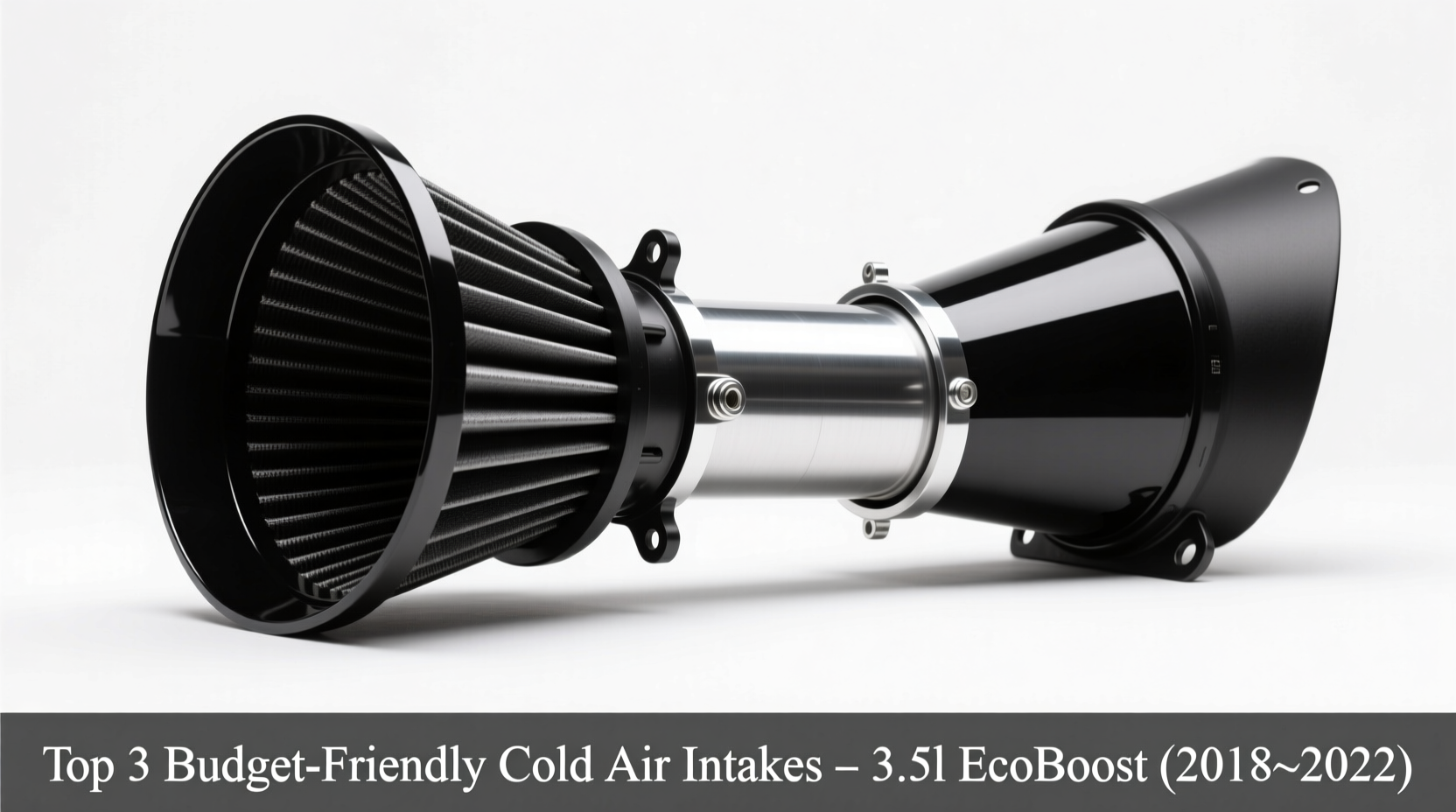
The stock air intake on the 3.5L EcoBoost is engineered for quiet operation and emissions compliance, not peak performance. It restricts airflow and often pulls warm air from the engine bay, which reduces combustion efficiency. A cold air intake replaces this system with a larger-diameter tube and a high-flow air filter positioned to capture cooler air from outside the engine compartment—typically near the front grille or fender well.
The benefits are tangible:
- Increased horsepower (typically 10–18 hp at the wheels)
- Better throttle response and acceleration
- Improved engine sound (a deeper, more aggressive induction roar)
- Potential fuel economy gains under light driving conditions
- Enhanced engine bay aesthetics
For many EcoBoost owners, a CAI is the first modification—and for good reason. It’s relatively inexpensive, easy to install, and delivers immediate sensory feedback.
Tip: Pair your cold air intake with a custom tune for maximum gains. Even a mild ECU recalibration can add another 20–30 horsepower.Budget-Friendly Picks: Performance Without the Premium Price
Not every high-performing CAI comes with a premium price tag. Several manufacturers offer reliable, well-engineered systems under $200 that perform nearly as well as their pricier counterparts. These are ideal for DIY enthusiasts who want value without compromise.
1. AEM DryFlow Cold Air Intake System
AEM’s DryFlow system for the 3.5L EcoBoost retails around $170 and uses a durable polyethylene heat shield with a reusable dry media filter. It’s designed to block engine heat and pull in cooler ambient air from the driver-side wheel well. Users consistently report smoother power delivery and improved throttle sensitivity. The installation takes about 45 minutes with basic hand tools.
2. K&N Typhoon Cold Air Intake
Priced just under $190, the K&N Typhoon (model 63-2556) is one of the most popular budget-conscious choices. It features a conical cotton filter, mandrel-bent aluminum tubing, and a roto-molded airbox. Independent dyno tests show average gains of 13 hp and 15 lb-ft of torque. Plus, K&N’s million-mile warranty adds long-term peace of mind.
3. Volant Cool Air Intake System
At around $185, the Volant system stands out for its patented PowerCore filtration technology—a dual-stage design that combines a pleated dry filter with an internal cyclonic separator to keep contaminants out even in dusty conditions. Its sealed box ensures only cool air enters, making it ideal for off-road or rural drivers.
“On forced-induction platforms like the EcoBoost, clean, cool air is just as critical as fuel quality. A good intake does double duty: boosting power and protecting the engine.” — Jason Lee, Automotive Performance Engineer
Crowd Favorites: What Thousands of Owners Are Raving About
Sometimes, popularity reflects real-world satisfaction. These CAIs have earned loyal followings across forums like F150Forum, Reddit’s r/FordTrucks, and EcoBoost Owners Club due to consistent performance, reliability, and customer support.
1. Injen SP Series Cold Air Intake
The Injen SP1780C is a standout for its patented Max Flow Smooth Wall Induction Technology. Unlike ribbed tubing, Injen’s smooth interior reduces turbulence, improving airflow velocity. It’s CARB-exempt (legal in all 50 states), produces up to 16 hp gains, and includes a lifetime filter service policy. Many users praise its refined fitment and lack of check engine lights post-installation.
2. AIRAID Modular Cold Air Intake
AIRAID’s modular design allows for easy cleaning and customization. Their 3.5L EcoBoost kit (24-807) uses a SynthaFlow filter that performs exceptionally well in wet conditions. The open-box design enhances airflow while still shielding against heat soak. Long-term owners appreciate the ease of maintenance and durability after years of use.
3. Spectre Performance Gen 2 Cold Air Intake
Though less flashy than some brands, Spectre has built a strong reputation for no-nonsense engineering. Their Gen 2 system features a large 5-inch conical filter and powder-coated steel housing. At under $150, it’s one of the most affordable full CAIs available—and frequently earns praise for its deep induction growl and solid construction.
Comparison Table: Top 5 Cold Air Intakes for 3.5L EcoBoost
| Brand & Model | Price Range | Horsepower Gain | Filter Type | CARB Certified | Warranty |
|---|---|---|---|---|---|
| AEM DryFlow (21-8050) | $160–$180 | 12–15 hp | Dry synthetic | Yes | Limited lifetime |
| K&N Typhoon (63-2556) | $180–$200 | 13–16 hp | Cotton gauze | Yes | Million-mile |
| Injen SP Series (SP1780C) | $220–$250 | 15–18 hp | Cotton gauze | Yes | Lifetime |
| AIRAID (24-807) | $200–$230 | 14–16 hp | SynthaFlow | Yes | Limited lifetime |
| Spectre Gen 2 (2050) | $140–$160 | 10��13 hp | Cotton gauze | No | 1-year |
Installation Checklist: Getting It Right the First Time
Installing a cold air intake is typically a beginner-friendly project, but following a checklist ensures safety and optimal performance.
- Gather tools: 8mm–15mm sockets, screwdrivers, pliers, and torque wrench (recommended).
- Disconnect the battery: Prevents electrical shorts during removal of the MAF sensor.
- Remove factory airbox: Unclip hoses, disconnect the mass airflow (MAF) sensor, and unbolt the housing.
- Install new tubing and filter: Position the intake tube according to the manufacturer’s guide, ensuring no contact with moving parts.
- Reconnect MAF sensor: Handle gently—this component is sensitive and expensive to replace.
- Secure all clamps and fasteners: Loose connections can cause air leaks and trigger error codes.
- Reconnect battery and test: Start the engine and listen for whistling (indicating leaks). Clear any stored codes with an OBD2 scanner if needed.
Frequently Asked Questions
Do cold air intakes void my warranty?
Generally, no. Under the Magnuson-Moss Warranty Act, dealerships cannot void your entire warranty just because you’ve installed an aftermarket part—unless they can prove the part caused the failure. However, powertrain-related issues might be scrutinized if a non-CARB intake is installed.
Can I install a cold air intake myself?
Yes. Most kits take 30–60 minutes and require only basic hand tools. No cutting or drilling is typically needed. Online video tutorials specific to your model year can further simplify the process.
Are cold air intakes worth it on a tuned EcoBoost?
Absolutely. Even with a tuner, the engine is limited by airflow. A CAI ensures the turbocharger receives denser air, improving spool and overall efficiency. Tuners often include calibration adjustments specifically for aftermarket intakes, maximizing synergy.
Final Thoughts: Choose Smart, Drive Stronger
Upgrading your 3.5L EcoBoost with a cold air intake isn’t just about adding horsepower—it’s about refining how your vehicle feels and responds. Whether you’re looking for a budget-savvy option like the Spectre Gen 2 or a premium performer like the Injen SP Series, there’s a CAI that fits your needs and expectations.
The key is balancing cost, certification, and proven user feedback. Look beyond marketing claims and focus on real-world data, community reviews, and compatibility with future modifications. Once installed, take time to appreciate the sharper throttle response, the subtle engine note on acceleration, and the confidence that comes from knowing your EcoBoost is breathing freely.
💬 Ready to upgrade your EcoBoost experience? Share your cold air intake choice or ask questions in the comments—help fellow enthusiasts make smarter decisions!








