In an age where gaming evolves at breakneck speed—ray tracing, AI-generated worlds, cloud streaming—the pull of simpler times remains strong. The Nintendo Entertainment System (NES), Sega Genesis, and their miniature re-releases have sparked a wave of nostalgia-driven collecting. Among them, the NES Classic Edition, or “NES Mini,” stands out as both a cultural phenomenon and a point of debate. Released in 2016 to instant sellout status, it reignited interest in retro gaming hardware. But years later, with multiple similar releases from Nintendo and third-party manufacturers, the question arises: are retro game consoles like the NES Mini still worth collecting?
The answer isn’t a simple yes or no. It depends on your goals—whether you're driven by nostalgia, investment potential, gameplay convenience, or preservation. This article explores the multifaceted value of these miniature consoles, evaluates their staying power, and offers practical guidance for collectors navigating this niche.
The Rise and Fall (and Rise Again) of the NES Mini
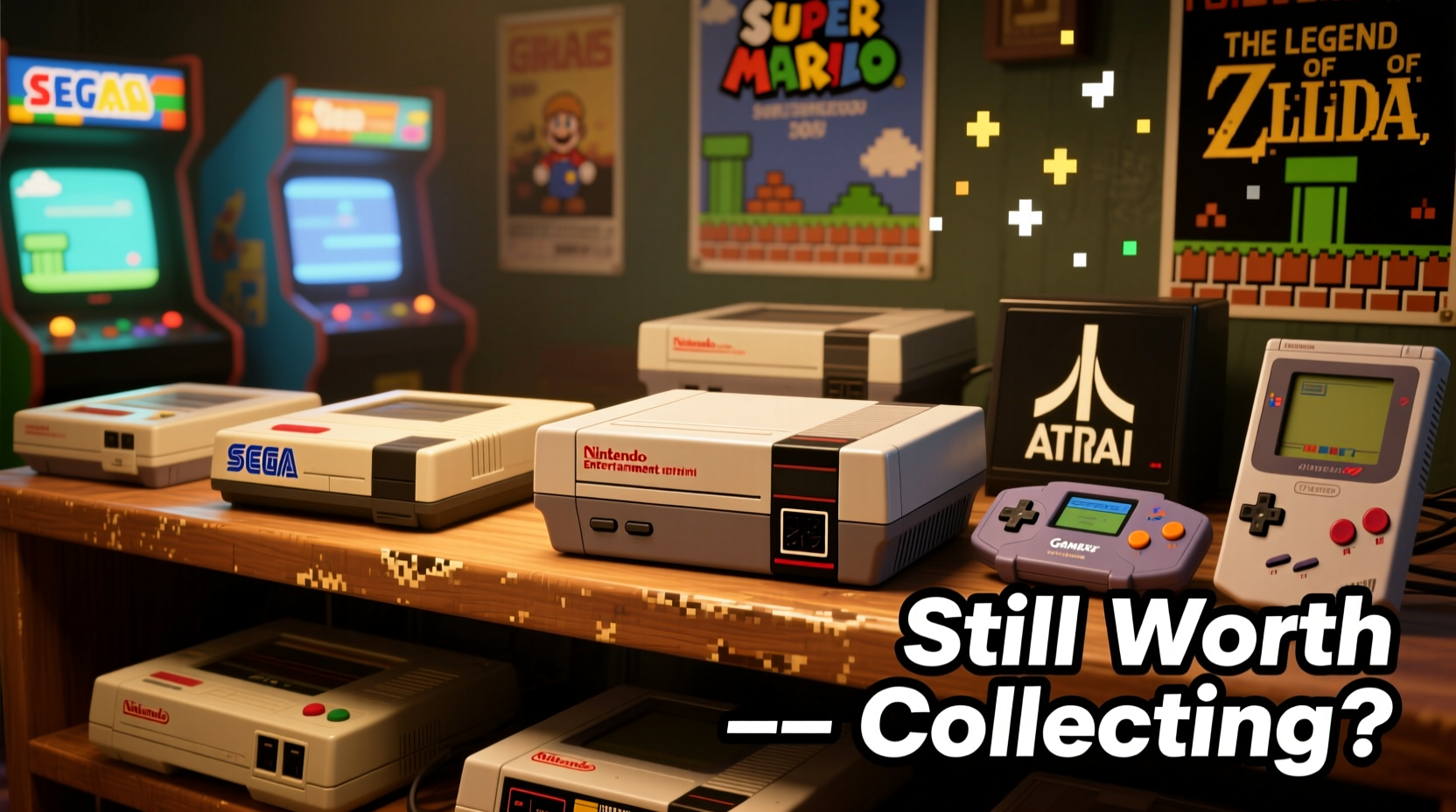
When Nintendo launched the NES Classic Edition in November 2016, few anticipated its explosive success. Priced at $59.99, the console came preloaded with 30 classic games, including Super Mario Bros., Zelda II: The Adventure of Link, and Mega Man 2. Its compact design mirrored the original NES but with plug-and-play simplicity via HDMI. Supply couldn’t meet demand; scalpers resold units for hundreds of dollars, and online marketplaces were flooded with listings triple the retail price.
Nintendo discontinued the original NES Mini in 2017, only to re-release it in 2018 due to sustained demand. A companion model, the SNES Classic Edition, followed in late 2017, featuring titles like Super Metroid and Chrono Trigger. These devices weren’t emulators built from scratch—they used modified FPGA technology to accurately replicate the original hardware behavior, offering better performance than software emulation on PCs.
Despite being officially discontinued, the legacy lives on. Third-party clones, fan-modded versions, and even newer official entries like the Nintendo Switch Online service keep retro gaming accessible. But does that diminish the collector’s appeal?
Tip: Always verify authenticity when buying used NES Mini units—check serial numbers, packaging, and included cables to avoid counterfeit models.Why People Still Collect Retro Mini Consoles
Collecting retro mini consoles today is less about cutting-edge tech and more about emotional resonance, accessibility, and tangible connection to gaming history. Several key factors sustain their appeal:
- Nostalgia Factor: For many adults who grew up in the '80s and '90s, these systems represent childhood memories. Owning a piece of that era provides emotional comfort and personal significance.
- Plug-and-Play Simplicity: Unlike original hardware requiring RF modulators, CRT TVs, or restoration work, mini consoles offer instant access. No technical expertise needed.
- Aesthetic Display Value: Their small size makes them ideal for display shelves, desks, or media centers. They’re functional art pieces.
- Game Preservation: These devices preserve curated libraries of historically significant games in a legal, sanctioned format.
- Limited Availability: While not all mini consoles were scarce long-term, the initial scarcity created lasting perception of exclusivity.
As video game historian Jeremy Parish notes,
“Mini consoles serve as gateways—not just to old games, but to understanding how gaming culture evolved. They’re time capsules with controllers attached.” — Jeremy Parish, Retronauts Podcast Host
Investment Potential: Are They Appreciating Assets?
One of the most debated aspects is whether these consoles hold or increase financial value. Let’s examine real-world trends using data from resale platforms like eBay and PriceCharting.
| Console | Original MSRP | Avg. Resale (2023) | Condition Impact | Scarcity Level |
|---|---|---|---|---|
| NES Classic Edition | $59.99 | $120–$180 | Sealed > Boxed > Loose | Moderate (after restock) |
| SNES Classic Edition | $79.99 | $150–$250 | High premium for sealed units | High (limited run) |
| Sega Genesis Mini | $79.99 | $60–$90 | Minimal appreciation | Low (widely available) |
| Atari Flashback 10 | $79.99 | $50–$70 | No significant gain | Very Low |
The data shows a clear pattern: consoles with limited production runs and high initial demand retain or grow in value. The SNES Classic, especially in factory-sealed condition, has become a sought-after item among serious collectors. In contrast, widely available models like the Sega Genesis Mini or Atari Flashback series have not appreciated significantly.
However, investment should not be the primary motivation unless you're treating it as a speculative collectible. Most mini consoles are mass-produced consumer electronics, not rare artifacts. Their value hinges on cultural relevance and condition—not intrinsic rarity.
Practical Considerations for Modern Collectors
If you're considering adding a retro mini console to your collection, approach it thoughtfully. Here’s a step-by-step guide to help you make informed decisions:
- Define Your Purpose: Are you collecting for play, display, or investment? Each goal influences which models to target and how to maintain them.
- Research Production History: Check release dates, production volumes, and discontinuation announcements. For example, the SNES Classic had a shorter production window than the NES Mini, increasing its scarcity.
- Evaluate Condition: Sealed units command higher prices. Look for intact seals, original packaging, manuals, and accessories. Avoid water-damaged or heavily used units.
- Beware of Modifications: Some sellers install custom firmware or add extra games. While appealing for gameplay, mods can reduce resale value for purist collectors.
- Compare Alternatives: Consider whether a Raspberry Pi-based emulator (like RetroPie) or the Nintendo Switch Online service might fulfill your retro gaming needs more affordably.
Mini Case Study: The SNES Classic Resurgence
In 2022, Mark T., a 38-year-old software developer from Portland, purchased a sealed SNES Classic on eBay for $225. He’d missed the original launch and wanted it both for his son to experience classic games and as a potential heirloom. Over two years, he kept it stored in a climate-controlled cabinet. In 2024, he listed it for $300, receiving multiple offers within days. Though he ultimately decided to keep it, the experience showed him how demand persists even years after discontinuation.
“It’s not just about money,” Mark said. “It’s knowing I have something that connects my childhood to my kids’ future.”
Tip: Store unused mini consoles in a dry, temperature-stable environment. Avoid basements or attics where humidity and heat fluctuate.Checklist: Is a Retro Mini Console Right for You?
Before purchasing, ask yourself the following:
- ✅ Do I want to play authentic versions of classic games without setting up old hardware?
- ✅ Am I drawn to the design and nostalgic feel of retro consoles?
- ✅ Am I willing to pay above retail if buying secondhand?
- ✅ Will I store it properly to preserve condition?
- ✅ Have I compared this to other retro gaming options (e.g., emulation, Switch Online)?
- ✅ Am I okay with limited replayability (fixed game library, no save states beyond provided slots)?
If most answers are “yes,” then collecting a retro mini console may be worthwhile. If you're focused solely on cost-effective gameplay, alternatives exist.
Frequently Asked Questions
Can I expand the game library on an NES Mini?
Officially, no. However, the NES Classic was quickly hacked by the modding community to support homebrew firmware like Classic NXE or Dragoncade, allowing additional ROMs. While technically feasible, modifying voids warranties and reduces collector value for unaltered enthusiasts.
Are newer mini consoles better than the NES Mini?
Yes, in some ways. Later models like the SEGA Genesis Mini and NES Classic (re-release) improved button responsiveness and menu navigation. The PCE Mini and ColecoVision Mini cater to niche audiences. However, none matched the cultural impact of the original NES Mini launch.
Is it better to buy now or wait for future re-releases?
Uncertain. Nintendo has shown reluctance to revisit the mini console line since 2018, focusing instead on Switch Online. Rumors of a N64 Mini persist, but nothing confirmed. If you want a specific model currently available, buying now ensures access before potential price hikes.
Conclusion: Nostalgia, Not Just Numbers
The value of retro game consoles like the NES Mini extends beyond resale prices or technical specs. For many, they represent a bridge between generations—a way to share beloved experiences with children, relive formative moments, or simply enjoy timeless gameplay stripped of modern complexity.
While they may not be high-growth investments like vintage watches or rare sneakers, well-preserved mini consoles occupy a meaningful space in pop culture collecting. Their worth is measured not just in dollars, but in joy, memory, and connection.
If you’ve ever smiled at the sound of the Super Mario Bros. overworld theme or felt wonder exploring Hyrule for the first time, then yes—these little boxes are still worth collecting. Whether displayed proudly on a shelf or powered on for a rainy afternoon, they remind us that great games never truly age.
💬 Do you own a retro mini console? What does it mean to you? Share your story in the comments and inspire others to appreciate gaming history.








