As winter sets in and temperatures drop, the thought of sitting on a freezing car seat becomes a daily dread for many drivers. Heated car seat covers offer a tempting solution—providing instant warmth and comfort during cold commutes. But with prolonged use over weeks or even months, questions arise: Are these devices truly safe for continuous winter-long operation? While they deliver undeniable comfort, understanding their safety implications is essential for responsible use.
Modern heated seat covers are designed with multiple safety features, but like any electrical device used in close contact with the body, misuse or poor-quality products can lead to risks such as overheating, fire hazards, or skin irritation. This article examines the safety profile of heated car seat covers when used throughout the winter season, explores potential dangers, evaluates product standards, and provides actionable guidance for worry-free use.
How Heated Seat Covers Work
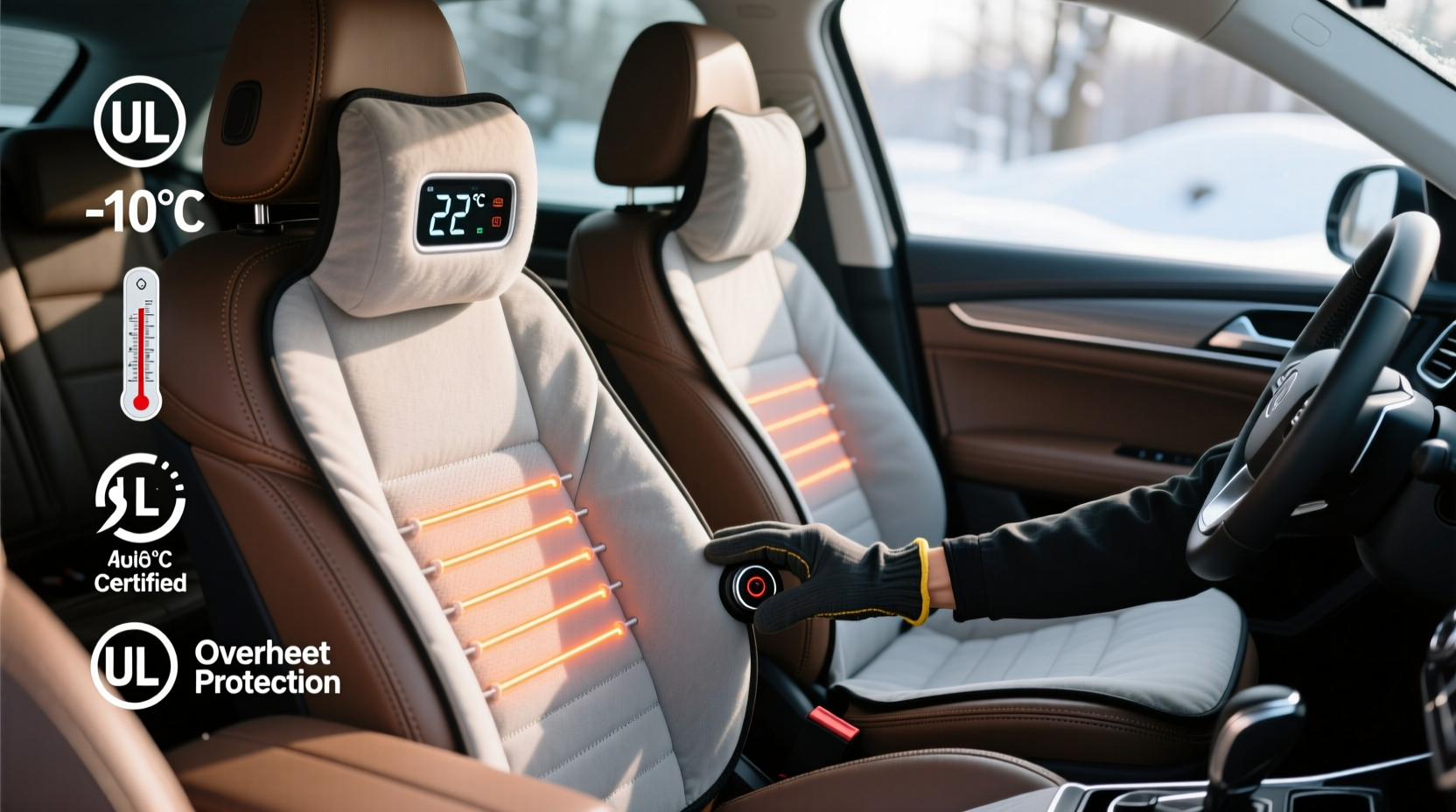
Heated car seat covers typically operate using embedded heating elements—thin wires or carbon fiber grids—woven into the fabric. These elements warm up when connected to a power source, usually via the vehicle’s 12V cigarette lighter socket or USB port. Most models feature adjustable temperature settings and automatic shut-off mechanisms after a set duration, often between 30 to 90 minutes, to prevent excessive heat buildup.
The heating process is generally low-voltage and regulated by internal thermostats that monitor surface temperature. When functioning correctly, these systems maintain a comfortable range between 104°F and 113°F (40°C–45°C), which is warm enough to soothe muscles but below levels known to cause burns under normal conditions.
However, performance and safety vary significantly based on build quality, brand reputation, and compliance with electrical safety standards. Not all products on the market meet rigorous testing requirements, especially cheaper models sold online without certification labels.
Tip: Always check for safety certifications like UL, ETL, or CE before purchasing heated seat covers—these indicate the product has undergone independent testing.Potential Risks of Long-Term Use
While convenient, using heated seat covers every day for several months introduces cumulative exposure to heat and electricity. Understanding the associated risks helps users make informed decisions.
Overheating and Fire Hazards
A primary concern with extended use is overheating, particularly if the cover lacks proper thermal regulation. Faulty wiring, damaged insulation, or malfunctioning thermostats can cause components to exceed safe temperatures. In extreme cases, this may ignite flammable materials such as upholstery, foam padding, or clothing.
Older vehicles with worn-out electrical systems are more vulnerable, especially when paired with high-draw aftermarket accessories. Drawing too much current from an already strained circuit increases the risk of short circuits or blown fuses—and in rare cases, electrical fires.
Skin Sensitivity and Thermal Injury
Prolonged exposure to moderate heat can result in a condition known as erythema ab igne, also called “toasted skin syndrome.” It manifests as a mottled, net-like rash caused by repeated low-level heat exposure over weeks or months. Though not immediately dangerous, it can be persistent and may increase long-term skin sensitivity.
“Repeated use of heating devices without breaks can lead to subtle but lasting skin changes. We’ve seen cases where patients developed hyperpigmentation from daily heated seat or blanket use.” — Dr. Lena Torres, Dermatologist at Boston Skin Institute
This risk is higher among individuals with reduced sensation due to diabetes, neuropathy, or spinal injuries, who may not perceive rising temperatures until damage occurs.
Reduced Blood Circulation
Excessive heat can dilate blood vessels and alter circulation patterns. For people with cardiovascular conditions or varicose veins, constant warmth in the lower back and thigh area might contribute to discomfort or swelling over time. While not life-threatening, it underscores the importance of moderation.
Safety Features That Make a Difference
Not all heated seat covers are created equal. Higher-end models incorporate advanced safety technologies that mitigate risks associated with long-term use. Knowing what to look for can help consumers choose safer options.
| Safety Feature | Function | Why It Matters |
|---|---|---|
| Auto Shut-Off | Turns off heating after 60–90 minutes | Prevents overheating during sleep or distraction |
| Overheat Protection | Thermal fuse cuts power if temperature exceeds limit | Reduces fire risk from component failure |
| Low Voltage Design | Operates at 12V DC, compatible with car systems | Minimizes electrical strain and shock hazard |
| EMI Shielding | Reduces electromagnetic interference | Protects vehicle electronics and pacemakers |
| Water-Resistant Fabric | Resists spills and moisture ingress | Prevents short circuits from liquid exposure |
Products lacking these safeguards—especially those without auto shut-off—are not recommended for all-day or overnight use. Consumers should prioritize models that explicitly list safety certifications and include detailed user manuals outlining safe operating procedures.
Best Practices for Safe Winter-Long Use
To enjoy the benefits of heated seat covers while minimizing health and safety risks, follow these evidence-based guidelines.
1. Limit Daily Usage Time
Avoid keeping the heater running continuously. Use it primarily during startup and initial driving phases when the cabin is coldest. Once the car warms up, turn off the seat cover to reduce cumulative heat exposure.
2. Take Heat Breaks
Allow your body to cool down periodically. If you're on a long drive, disable the heating function for 15–20 minutes every hour. This prevents skin adaptation and reduces the likelihood of thermal rashes.
3. Inspect Regularly for Damage
Check cords, connectors, and fabric surfaces weekly for signs of wear. Frayed wires, exposed heating elements, or burnt smells indicate immediate discontinuation. Never use a damaged unit, even temporarily.
4. Avoid Use During Pregnancy
Pregnant women should exercise caution. Elevated core temperature, especially in the first trimester, has been linked to developmental risks. Consult a physician before using any heating device regularly during pregnancy.
5. Don’t Layer Over Other Heated Devices
Never place a heated blanket or pad over a heated seat cover. Combining heat sources drastically increases surface temperature and bypasses built-in safety controls.
Tip: Unplug the seat cover when not in use. Leaving it plugged in drains the car battery and increases the chance of accidental activation.Real-World Example: A Commuter’s Experience
Mark R., a delivery driver in Minnesota, uses heated seat covers six days a week from November through March. Initially thrilled with the added comfort, he began noticing red, lace-like marks on his thighs by January. After consulting a dermatologist, he was diagnosed with early-stage erythema ab igne caused by eight-hour daily exposure to low heat.
Following medical advice, Mark modified his routine: he now uses the heater only for the first 30 minutes of each shift, wears breathable cotton layers, and performs weekly equipment checks. His symptoms gradually improved over two months, and he continues using the device—but responsibly.
His experience highlights a critical point: convenience must be balanced with awareness. Even seemingly harmless devices can pose risks when used without limits.
Step-by-Step Guide to Using Heated Seat Covers Safely All Winter
- Choose a Certified Product: Select a model with UL, ETL, or CE marking and clear safety documentation.
- Install Correctly: Route the power cord away from moving parts and ensure it doesn’t interfere with seat adjustment mechanisms.
- Test Before Full Use: Run the cover for one cycle to verify even heating and automatic shutoff functionality.
- Use Only When Needed: Activate during cold starts, not throughout the entire journey.
- Monitor Physical Response: Pay attention to skin changes, numbness, or discomfort—stop use if any occur.
- Maintain the Device: Clean according to manufacturer instructions and inspect monthly for damage.
- Store Properly Off-Season: Remove and store in a dry, cool place when not needed to extend lifespan and prevent accidental activation.
Checklist: Is Your Heated Seat Cover Safe?
- ✅ Has visible safety certification (UL, ETL, CE)
- ✅ Includes auto shut-off (60–90 minute max runtime)
- ✅ Uses low-voltage DC power (12V)
- ✅ Cord is undamaged and connector fits securely
- ✅ No unusual odors or hot spots during operation
- ✅ Compatible with your vehicle’s electrical system
- ✅ Allows for periodic cooling breaks during use
Frequently Asked Questions
Can heated seat covers drain my car battery?
Yes, if left plugged in and activated when the engine is off. Most draw 2–5 amps, which can deplete a standard car battery in 2–4 hours. Always unplug after use, especially if parking overnight.
Are heated seat covers safe for pets?
Use caution. Pets cannot communicate discomfort and may suffer burns before showing signs. Some pet-specific models have lower heat settings and chew-resistant wiring, but supervision is essential.
Do heated seat covers work with leather seats?
Yes, but ensure the cover includes non-slip backing and breathability to prevent moisture buildup, which can degrade leather over time. Avoid models that trap heat excessively, as this may cause cracking or fading.
Final Verdict: Safety Depends on How You Use Them
Heated car seat covers can be safely used throughout the winter—if chosen wisely and operated responsibly. High-quality, certified models with robust safety features present minimal risk when used as directed. However, treating them as permanent fixtures without breaks or maintenance invites avoidable hazards.
The key lies in balance: harness their comfort during the coldest parts of your commute, but respect the need for moderation. Like any tool, their value is maximized not by constant use, but by intelligent, informed application.
With proper selection, regular inspection, and adherence to usage best practices, heated seat covers can remain a trusted ally against winter chill—without compromising safety or health.
💬 Have you used heated seat covers all winter? Share your experience, tips, or concerns in the comments below—your insight could help others stay warm and safe!