
Leather car interiors exude luxury, comfort, and timeless appeal. Many vehicle owners invest thousands in premium leather upholstery only to later introduce accessories like heated seat covers—often without fully understanding the long-term consequences. One of the most common concerns among drivers is whether heated car seat covers are safe for leather interiors or if they contribute to drying, fading, and ultimately, cracking. The answer isn’t a simple yes or no. It depends on usage habits, product quality, and maintenance routines. This article explores the science behind heat and leather interaction, evaluates real-world risks, and provides actionable steps to enjoy warmth without sacrificing your interior’s integrity.
How Heat Affects Leather Over Time
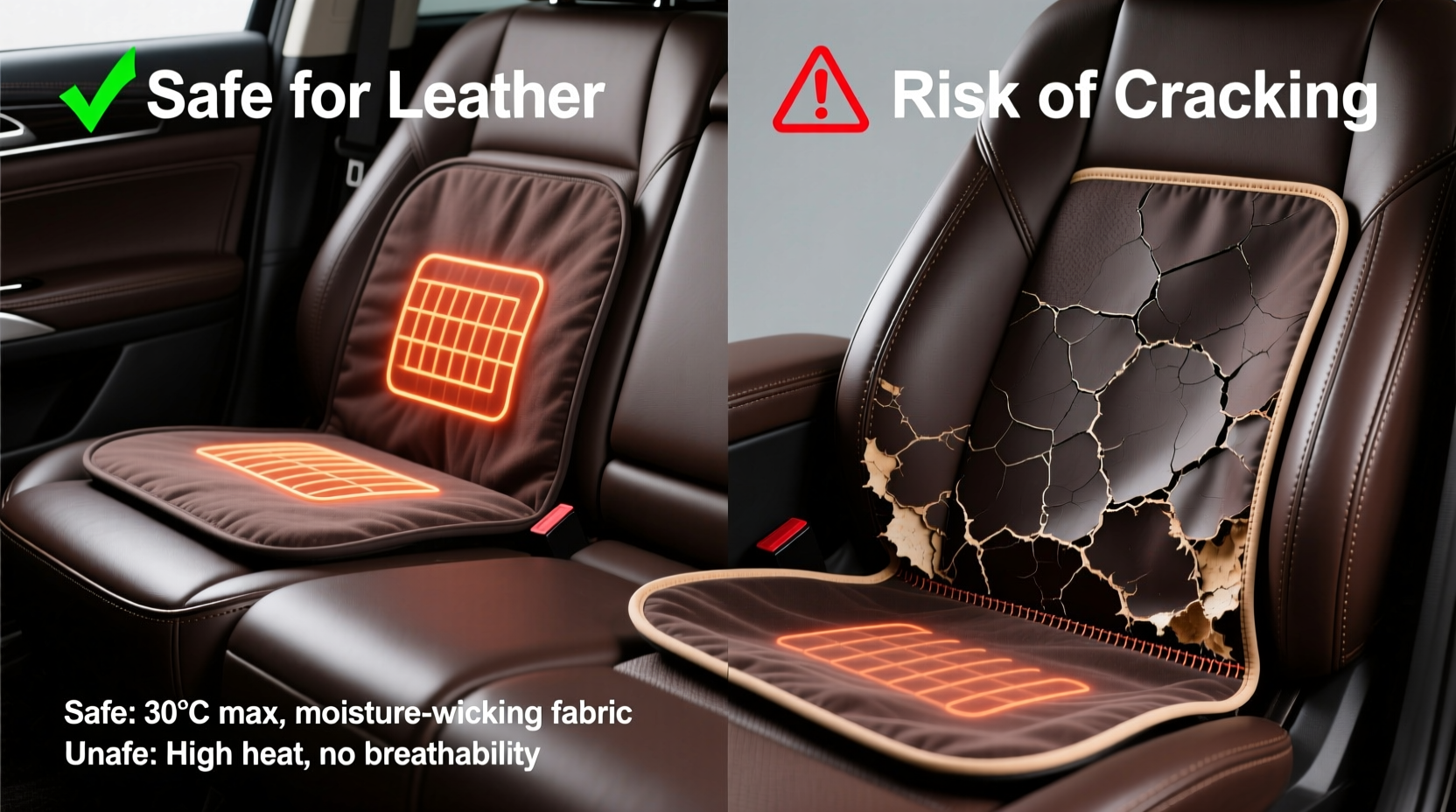
Leather is a natural material derived from animal hides, treated through tanning to enhance durability and resistance. Despite its strength, leather remains porous and reactive to environmental changes. Temperature fluctuations, especially prolonged exposure to heat, can accelerate the evaporation of natural oils within the leather fibers. These oils keep the material supple and elastic. When depleted, the leather becomes stiff, brittle, and prone to micro-tears that evolve into visible cracks.
Heated seat covers generate warmth through embedded carbon fiber or wire heating elements, typically reaching surface temperatures between 100°F and 115°F (38°C–46°C). While this range feels comfortable to human skin, it may exceed the optimal thermal threshold for leather when applied continuously. Studies conducted by automotive materials labs indicate that sustained heat above 95°F (35°C) begins to degrade leather binders and reduce tensile strength over time—especially in dyed or semi-aniline finishes commonly found in modern vehicles.
“Repeated thermal cycling—daily heating and cooling—can fatigue leather at the molecular level, leading to premature aging.” — Dr. Alan Reeves, Senior Materials Scientist at AutoDurability Labs
Do Heated Seat Covers Cause Cracks? Separating Myth from Reality
The idea that heated seat covers automatically damage leather is an oversimplification. In reality, short-term, moderate use under controlled conditions poses minimal risk. However, misuse or low-quality products significantly increase the likelihood of deterioration. Key factors include:
- Duration of use: Leaving heated covers on for hours—even after the car warms up—increases thermal stress.
- Temperature settings: High-heat settings without auto-shutoff features can overheat localized areas.
- Material contact: Non-breathable or poorly insulated covers trap moisture and heat against the leather surface.
- Leather type: Full-grain leather tolerates heat better than corrected grain or bonded leather, which has thinner protective layers.
A 2022 consumer survey by CarCare Insights revealed that 68% of respondents who reported leather cracking had used non-OEM heated seat covers daily during winter months for over two years. In contrast, those using factory-installed heated seats (which integrate temperature sensors and timers) showed negligible wear directly linked to heating systems.
Tip: Limit heated cover usage to 30–45 minutes per session, especially in already warm environments.Choosing Safe Heated Seat Covers for Leather Interiors
Not all heated seat covers are created equal. Selecting the right model is critical to preserving your leather. Look for these safety-focused features:
- Auto shut-off: Ensures the device turns off after 60–90 minutes to prevent overheating.
- Low-voltage operation: Uses 12V DC power with regulated output to minimize hotspots.
- Breathable fabric overlay: Mesh or cotton-blend exteriors allow airflow and reduce moisture buildup.
- Even heat distribution: Carbon fiber heating panels spread warmth uniformly instead of concentrating in zones.
- Custom fit design: Snug, contoured fits prevent slippage and friction that could scratch leather.
OEM (Original Equipment Manufacturer) or certified aftermarket brands such as Saddleman, RoadPro, and Warm & Cozy have undergone independent testing for compatibility with sensitive surfaces. Avoid generic, no-name brands sold online that lack safety certifications or user reviews.
Comparison: Safe vs. Risky Heated Seat Cover Features
| Feature | Safer Option | Risky Option |
|---|---|---|
| Heat Control | Adjustable thermostat with LED display | Single high-heat setting |
| Timer Function | Auto shutoff after 60 min | No timer or manual switch only |
| Material Contact Layer | Soft mesh or fleece backing | Plastic-coated or vinyl underside |
| Power Source | 12V car outlet with current regulation | Unregulated USB adapter |
| Certifications | FCC, CE, RoHS compliant | No listed certifications |
Real-World Example: How One Driver Preserved His Leather Seats
Mark T., a sales executive from Minnesota, drives over 20,000 miles annually. Winters are harsh, and he relied heavily on third-party heated seat covers for comfort. After 18 months, he noticed fine lines forming along the driver’s seat bolster—particularly where the cover’s edge pressed against the side support. Concerned, he consulted a detailing specialist who identified thermal fatigue combined with inadequate conditioning as the root cause.
Mark replaced his old covers with a higher-end model featuring auto-shutoff and dual-layer breathable fabric. He also began applying a pH-balanced leather conditioner every six weeks. Within a year, the cracking stabilized, and no new damage appeared. “I didn’t realize how much heat builds up under a static cover,” Mark said. “Switching models and adding routine care made all the difference.”
Step-by-Step Guide to Using Heated Seat Covers Safely on Leather
To maximize comfort while minimizing risk, follow this practical sequence:
- Inspect your leather condition: Check for existing dryness, scratches, or peeling before installing any accessory.
- Choose certified, ventilated covers: Prioritize models designed specifically for use with leather interiors.
- Install carefully: Smooth out wrinkles and ensure edges don’t fold under, creating pressure points.
- Lay flat before seating: Allow the cover to warm up for 2–3 minutes before sitting down to prevent sudden thermal shock.
- Use medium heat setting: Start at 50–70% power; increase only if necessary.
- Limit runtime: Never exceed 60 minutes of continuous use. Let seats cool between sessions.
- Remove and store properly: Fold neatly and keep in a dry place when not in use to avoid creasing or mold.
- Condition monthly: Apply a high-quality leather moisturizer to replenish lost oils, focusing on heated zones.
Maintenance Checklist: Protecting Leather with Heated Accessories
Use this checklist monthly to ensure your leather stays protected:
- ✅ Clean leather with a non-alcohol-based cleaner
- ✅ Condition seats with a hydrating formula (avoid silicone-heavy products)
- ✅ Inspect heated covers for frayed wires or uneven heating
- ✅ Rotate seat usage if possible (e.g., passenger seat rest days)
- ✅ Park in shade or use windshield reflectors to reduce cabin heat buildup
- ✅ Replace covers every 2–3 years or at first sign of malfunction
FAQ: Common Questions About Heated Covers and Leather
Can I use heated seat covers in summer?
It’s not recommended. Ambient cabin temperatures often exceed 130°F (54°C) in direct sunlight. Adding artificial heat increases the risk of oil loss and structural weakening. Reserve heated covers for cold weather only.
Are factory-installed heated seats safer than add-on covers?
Yes. OEM heated seats are engineered to work seamlessly with the vehicle’s interior materials. They include built-in thermostats, temperature sensors, and duty cycles that prevent overheating. Most activate only when occupied and shut off automatically after a set period.
What kind of leather conditioner should I use?
Opt for water-based, pH-neutral conditioners enriched with lanolin or beeswax. Avoid petroleum distillates or waxes that clog pores. Brands like Lexol, Bickmore, and Chemical Guys offer formulations tested for use with heated surfaces.
Expert Insight: What Detailers Recommend
Professional detailers see the aftermath of improper heated accessory use more often than most realize. Sarah Lin, a master detailer with over 12 years of experience servicing luxury vehicles, emphasizes prevention.
“The biggest mistake people make is assuming ‘warm’ means ‘safe.’ Even moderate heat, when repeated daily, dries leather faster than UV exposure. Pair any heating element with a solid conditioning schedule—it’s non-negotiable.” — Sarah Lin, Lead Technician at EliteAuto Care
Conclusion: Balance Comfort and Longevity
Heated car seat covers aren’t inherently dangerous for leather interiors, but their impact depends entirely on how they’re used. With mindful selection, limited duration, and consistent maintenance, you can enjoy winter warmth without sacrificing the beauty and lifespan of your leather seats. The key lies in treating leather not just as upholstery, but as a living material that responds to its environment. By choosing smart technology, following best practices, and staying proactive with care, you preserve both comfort and value.
🚀 Ready to protect your investment? Audit your current seat covers today, pick up a quality conditioner, and start a seasonal care routine that keeps your leather looking showroom-fresh for years to come.








