
When winter storms roll in, drivers face a critical decision: stick with all-season or all-weather tires, or invest in dedicated winter tires. Many believe modern all-weather tires eliminate the need for seasonal swaps—especially those marketed as “3PMSF” (Three-Peak Mountain Snowflake) certified. But how safe is that assumption when roads are blanketed in snow and ice?
The reality is more complex than marketing suggests. While all-weather tires offer convenience, they represent a compromise—one that can become dangerous under severe winter conditions. Understanding the engineering differences, real-world performance gaps, and safety implications is essential for anyone who drives in cold climates.
Understanding Tire Categories: All-Weather vs Winter
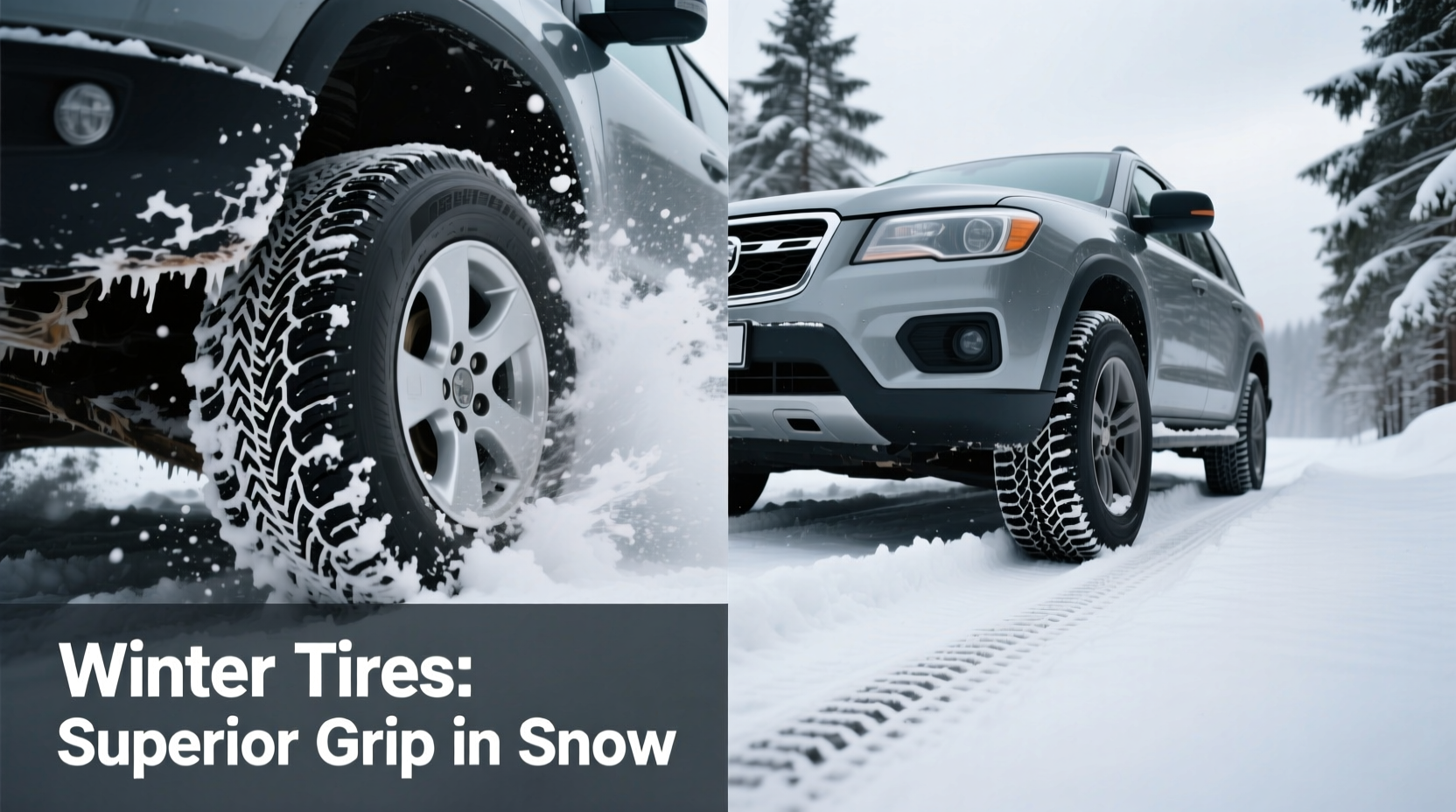
Before evaluating performance, it's important to define what \"all-weather\" and \"winter\" tires actually mean. These terms are not interchangeable, even though some consumers treat them as such.
- All-Weather Tires: Designed to perform year-round, meeting both summer and limited winter service standards. They carry the 3PMSF symbol, indicating they’ve passed minimum traction tests in snow. Examples include the Michelin CrossClimate2 and Goodyear Assurance WeatherReady.
- Winter Tires (Snow Tires): Engineered exclusively for temperatures below 45°F (7°C). They use softer rubber compounds, aggressive tread patterns, and siping (thin slits) to maximize grip on snow and ice. Brands like Bridgestone Blizzak and Nokian Hakkapeliitta dominate this category.
The key distinction lies in material science and design intent. All-weather tires aim for balance; winter tires prioritize extreme cold performance—even at the expense of summer handling.
Tip: If you live where temperatures regularly drop below freezing and snow accumulates, treating all-weather tires as a full substitute for winter tires may put you at risk.Performance Breakdown: How Do They Compare in Snow?
Independent testing consistently shows a significant gap between all-weather and true winter tires in snowy and icy conditions. The difference becomes most apparent during three critical driving scenarios: acceleration, braking, and cornering.
In a 2023 study by the Tire Rack test facility in northern Michigan, vehicles equipped with winter tires stopped from 20 mph on packed snow up to 35% shorter than identical models on all-weather tires. That translates to nearly 15 feet—a margin that could prevent a collision.
“On ice, the difference between a winter tire and an all-weather isn’t incremental—it’s transformative. The softer compound stays pliable, allowing the tread to bite rather than skate.” — Mark Andrews, Senior Tire Engineer, Consumer Reports Auto Test Center
Traction and Grip: The Rubber Compound Factor
The foundation of winter tire superiority lies in its rubber formulation. Winter tires use silica-rich compounds that remain flexible in sub-freezing temperatures. In contrast, even advanced all-weather tires harden below 20–25°F (-6 to -4°C), drastically reducing road contact and responsiveness.
Siping density also plays a role. Winter tires often have hundreds of micro-sipes per square inch, creating thousands of biting edges. All-weather tires incorporate siping too, but less densely, because excessive siping compromises dry-road stability and wear life over time.
Hydroplaning and Slush Resistance
Both tire types handle slush reasonably well due to wide circumferential grooves. However, winter tires typically feature deeper tread depths (often 10/32” or more at purchase) compared to all-weather tires (usually 8–9/32”). This extra depth helps maintain performance as the tire wears and improves evacuation of snow and water.
Is the Compromise Dangerous? Real-World Scenarios
To assess danger, consider not just ideal conditions but edge cases: sudden storms, unplowed side streets, black ice patches, and emergency maneuvers. In these situations, the performance deficit of all-weather tires can turn manageable incidents into accidents.
Mini Case Study: A Commute Gone Wrong
Jessica M., a schoolteacher in Duluth, Minnesota, relied on all-weather tires through her first two winters. Her SUV had good AWD, and she felt confident—until one morning in January when a surprise lake-effect storm dumped 14 inches overnight. Roads were unplowed for hours.
Approaching a gentle downhill curve, she tapped the brakes. Her vehicle began to slide. Despite gentle steering corrections, she couldn't regain control and ended up in a ditch. No injuries, but $4,200 in damages.
After consulting a local mechanic, she learned her all-weather tires—while 3PMSF-rated—had lost much of their grip due to the extreme cold (-18°F that morning). He recommended switching to dedicated winter tires. The following winter, during a similar storm, she drove the same route without incident.
This scenario illustrates a common misconception: certification does not equal equivalence. Passing a minimum standard doesn’t guarantee optimal performance.
Comparison Table: All-Weather vs Winter Tires
| Feature | All-Weather Tires | Winter Tires |
|---|---|---|
| Operating Temperature Range | -20°F to 100°F (-29°C to 38°C) | -40°F to 45°F (-40°C to 7°C) |
| Rubber Compound Flexibility Below 20°F | Moderate – begins to harden | High – remains supple |
| Tread Depth (New) | 8–9/32 inches | 10–12/32 inches |
| Siping Density | Medium | Very High |
| Braking Distance (on Snow, 20 mph) | ~60 feet | ~42 feet |
| Lifespan (Miles) | 40,000–60,000 | 30,000–40,000 |
| Need for Seasonal Change? | No | Yes |
When Is It Safe to Use All-Weather Tires?
All-weather tires are not inherently unsafe. For regions with mild winters—occasional light snow, temperatures rarely below 25°F—they are a practical, cost-effective solution. Drivers in cities like Portland, Oregon, or Cincinnati, Ohio, may find all-weather tires sufficient.
However, if your area experiences:
- Heavy snowfall (more than 20 inches annually)
- Sustained temperatures below 20°F
- Icy roads or frequent freeze-thaw cycles
- Long commutes or rural driving with delayed plowing
…then relying solely on all-weather tires increases risk. The compromise in grip, braking, and driver confidence is measurable and meaningful.
Tip: Check your local climate history. If your region averages more than 30 days below freezing per year, dedicated winter tires are strongly advised.Step-by-Step Guide: Making the Right Tire Decision
Follow this logical sequence to determine whether all-weather or winter tires are best for your situation:
- Evaluate Your Climate: Look at historical weather data for your ZIP code. How many days per year are below 45°F? How much snow accumulates?
- Assess Driving Needs: Do you commute daily? Drive children to school? Travel rural roads? Higher exposure demands better equipment.
- Review Vehicle Type: AWD/4WD improves acceleration but does nothing for braking or cornering on ice. Even with AWD, tire quality is paramount.
- Compare Total Cost: Factor in tire purchase, mounting, storage, and lifespan. Two sets of specialized tires often outperform one compromised set over five years.
- Test Drive (If Possible): Some dealers offer winter tire demo events. Experience the difference firsthand before committing.
- Make the Switch: Install winter tires before the first storm. Ideal timing: late October to mid-November in most northern zones.
Frequently Asked Questions
Can I use winter tires year-round?
No. Winter tires wear rapidly in warm weather due to their soft compounds. Driving them on hot pavement leads to poor handling, increased rolling resistance, and premature wear. They should be swapped out by April in most regions.
Do all-weather tires with 3PMSF ratings count as winter tires?
Legally, yes—in places requiring winter tires, 3PMSF-rated all-weather tires are compliant. But compliance doesn’t equal peak performance. Think of it like wearing hiking boots versus mountaineering gear in a blizzard: one meets the requirement, the other keeps you safer.
How do I store my summer or winter tires when not in use?
Store tires clean, dry, and off the ground. Stack radials flat or hang them. Avoid direct sunlight and temperature extremes. Consider professional storage services if space is limited.
Expert Insight: What Industry Leaders Say
“The idea that one tire can do everything perfectly is a myth. Physics doesn’t compromise—materials behave differently in different temperatures. If you want maximum safety in winter, there’s no replacement for a proper winter tire.” — Dr. Lena Petrov, Director of Tire Research, University of Michigan Transportation Institute
This sentiment echoes across automotive safety organizations. Transport Canada, the Rubber Manufacturers Association (RMA), and the European Tyre and Rim Technical Organisation (ETRTO) all emphasize that while all-weather tires expand options, they don’t negate the value of seasonal specialization.
Final Recommendation: Prioritize Safety Over Convenience
The convenience of all-weather tires is undeniable. Not having to change tires twice a year saves time, money, and hassle. But when winter conditions are severe, that convenience comes at a price: reduced control, longer stopping distances, and increased accident risk.
For drivers in moderate climates, all-weather tires are a reasonable choice. For those facing harsh winters, the compromise is not just noticeable—it can be dangerous. The few seconds saved during acceleration or the extra feet needed to stop might seem minor on paper, but on icy roads, they define the line between safety and catastrophe.
Investing in a second set of wheels with dedicated winter tires isn’t indulgence—it’s risk management. Just as you wouldn’t use summer sandals in a blizzard, you shouldn’t rely on a generalized tire solution in extreme conditions.
Checklist: Are You Ready for Winter Driving?
- ☑ Assess local winter severity (snowfall, temps, road maintenance)
- ☑ Determine if current tires are true winter or just 3PMSF-rated all-weather
- ☑ Measure tread depth—below 6/32” indicates reduced winter performance
- ☑ Plan for tire swap: schedule installation before first major storm
- ☑ Arrange storage for off-season tires
- ☑ Educate all household drivers on winter driving techniques (smooth inputs, increased following distance)
Conclusion
The debate between all-weather and winter tires isn’t about which is “better” in absolute terms—it’s about matching the right tool to the job. In snow-heavy, frigid environments, the performance gap is too large to ignore. Relying on all-weather tires may meet legal requirements, but it doesn’t guarantee optimal safety.
If you value control, predictability, and peace of mind when temperatures plummet, consider making the switch to dedicated winter tires. Your vehicle’s handling, braking, and overall confidence will improve dramatically. Don’t let convenience outweigh caution when winter roads demand respect.
💬 Have experience with all-weather or winter tires in heavy snow? Share your story in the comments—your insight could help others make a safer choice this winter.








